-5 %Cancelación gratuita
Tour DMZ desde Seúl : 3er Túnel, Observatorio Dora & Defector Talk
desde40 US$38 US$
Categorías en Seúl
Las descripciones se muestran en inglés.
In Jeonju, where you’ll explore Hanok Village where more than 800 traditional houses have been preserved amidst the modern city. (1) Gyeonggijeon Shrine(11:00 ~ 11:30): Historic Site No. 339, Gyeonggijeon Shrine was erected in 1410 and holds the portrait of King Tae-jo, the founder of the Joseon dynasty. The structure was partially destroyed during the Imjin War (1592-1598) and was restored in 1614. (2) Hanok Village(11:30 ~ 15:30): It is the largest traditional hanok village in Korea, with 700 hanoks in Jeonju, and is the only downtown hanok group in the country. It is an essential space in the modern residential culture development process of Korea, which began in 1910. It is a representative tourist destination in Korea that combines Korean styles such as Hanok, Korean food, Hanji, Hanson, Hanbok, and oriental medicine. Drop off(15:30 ~ 19:00): At the Myeongdong Station
After pickup at your Seoul hotel, travel three hours go to Jeonju. Jeonju Hanok Village is located in the city of Jeonju and overlaps Pungnam-dong and Gyo-dong. There are over 800 traditional Korean hanok houses. While the rest of city has been industrialized, Hanok Village retains its historical charms and traditions.
(11:00 ~ 11:30) Historic Site No. 339, Gyeonggijeon Shrine was erected in 1410 and holds the portrait of King Tae-jo, the founder of the Joseon dynasty. The shrine was originally given the name Eoyongjeon, but was changed to its current name in 1442, the 24th year of King Sejong the Great. The structure was partially destroyed during the Imjin War (1592-1598) and was restored in 1614.
(11:30 ~ 15:30) It is the largest traditional hanok village in Korea, with 700 hanoks in Pungnam-dong, Jeonju, and is the only downtown hanok group in the country. It is an essential space in the modern residential culture development process of Korea, which began in 1910. It is a representative tourist destination in Korea that combines Korean styles such as Hanok, Korean food, Hanji, Hanson, Hanbok, and oriental medicine.
All sales are final. No refund is available for cancellations.
5,0
Las valoraciones proceden de 3 opiniones recogidas por nuestro socio de reservas. Son palabras de los viajeros, en el orden en que se escribieron — nunca reordenadas para favorecer la experiencia.
Palacios reales y aldeas hanok conviven con torres de cristal, mercados bulliciosos y calles de comida nocturnas en Seúl, capital de Corea del Sur.
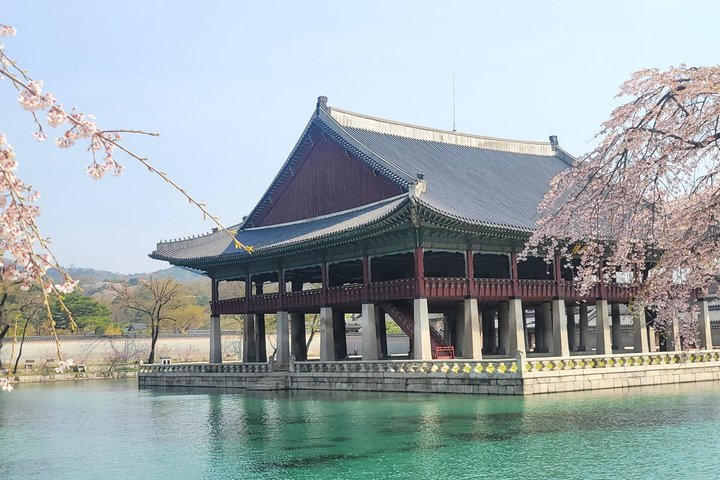
Cinco grandes palacios de la dinastía Joseon adornan la ciudad, encabezados por Gyeongbokgung, con su colorido cambio de guardia, y Changdeokgung, cuyo Jardín Secreto es un sereno refugio. Entre ellos, la aldea hanok de Bukchon conserva casas tradicionales de tejados de teja en callejones en pendiente, e Insadong es conocida por sus casas de té, galerías y artesanía.
Top-ranked sights in Seúl: Third Tunnel of Aggression, DMZ, Gyeongbokgung Palace.
Los precios tachados vienen del operador, nunca de nosotros.
desde40 US$38 US$
desde80 US$64 US$
desde107 US$91 US$
desde77 US$61 US$
desde40 US$38 US$
Añada Ticket Hall a su pantalla de inicio
Entradas y guías de ciudad a un toque, incluso sin conexión.
Ticket Hall