-5 %Cancelación gratuita
Tour DMZ desde Seúl : 3er Túnel, Observatorio Dora & Defector Talk
desde40 US$38 US$
Categorías en Seúl
Las descripciones se muestran en inglés.
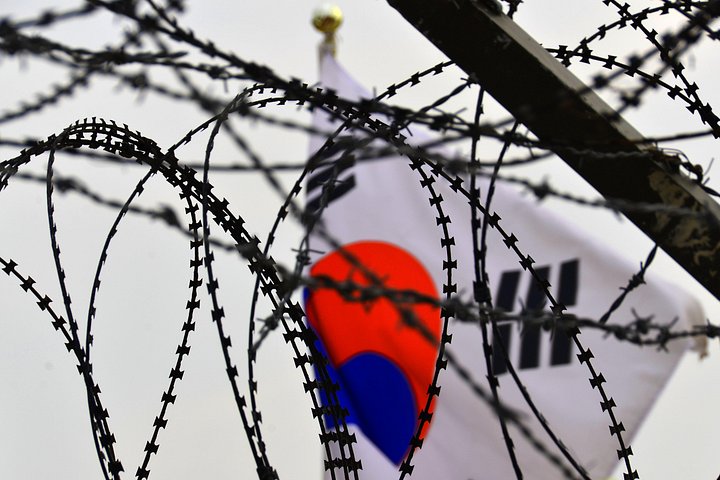
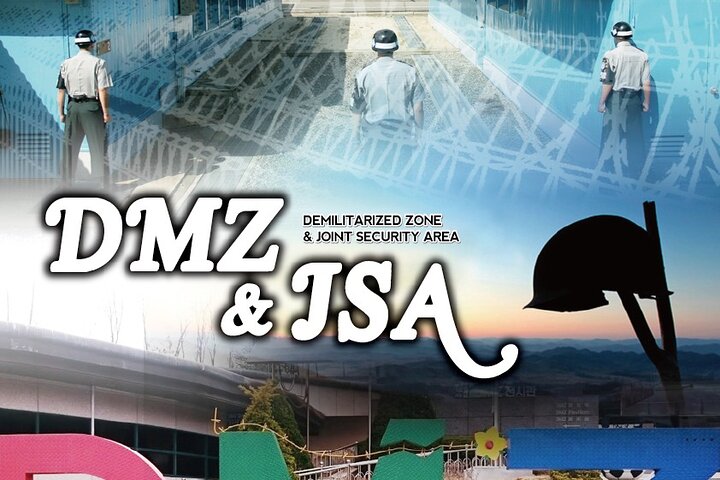
The DMZ has always been a topic of interest among travelers to Korea for its historical significance, the Korean War aftermath that still affects the two countries even to this day. Although the DMZ is a heavily military-controlled border area, certain regions around the DMZ are made accessible to civilians as a way to remember the sacrifice and loss from the Korean War, appreciate the nature reserve left untouched for decades, and hope for a peaceful reunification. Typical itinerary ; Hotel(starting at 8:00 am or earlier) - Imjingak park -The bridge of freedom -The 3rd infiltration tunnel -DMZ theater -Dorasan observatory -Dorasan train station -Unification village - Return to Seoul -Drop off hotel around 2:00 pm
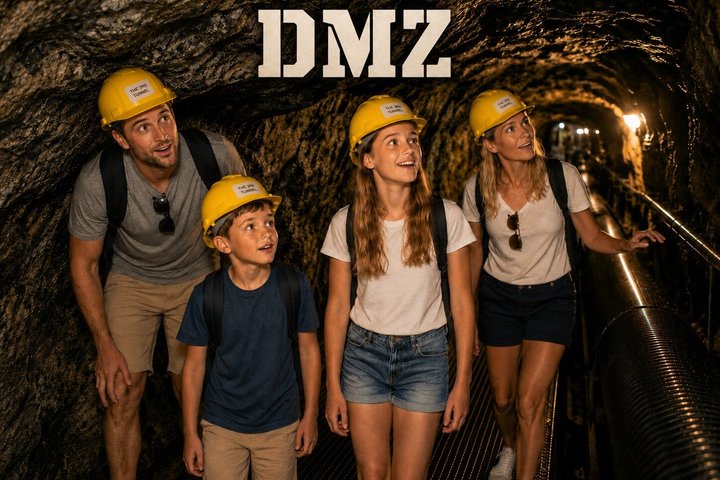
The 3rd Tunnel is the third of its kind built by North Korea for the purpose of invading South Korea. It was discovered in 1978. Among the four tunnels located so far, it is closest to Seoul (about 52 km). It has a total length of 1.6 km and a width of 2 m. It is estimated that nearly 30,000 personnel can move through the tunnel every hour. Visitors to the 3rd Tunnel must reserve the tour in advance. The tour starts from the Imjingak Pavilion. All visitors are required to bring their identification, such as passports or Alien Registration Card (ARC).
Dora Observatory is the closest DMZ observatory to Panmunjeom. From Dora Observatory, one can see not only the Panmunjeom but also the village of Daeseong-dong within the DMZ, mountains and farmlands on the North Korean side, and the city of Gaeseong, a North Korean city and the historic capital of Goryeo (918-1392). Individual visits are not allowed. The observatory can only be accessed through the DMZ Peace Tour, which embarks from Imjingak Pavilion after reservation. All visitors are required to bring their identification, such as passports or Alien Registration Card (ARC).
Tongilchon Jangdankong Maeul, specializing in bean curd dishes, is situated adjacent to the Demilitarized Zone (DMZ). To access it, visitors are required to bring their identification and pass through a checkpoint. The Jangdankong beans used here are known for their robust, savory flavor, distinguishing them from other beans. The restaurant is famous for its Jangdankong set menu, dubu jeongol (bean curd hot pot), doenjang jjigae (soybean paste jjigae), and Jangdan kongguksu (noodles in cold soybean soup), particularly popular during the summer season.
Cancelación gratuita hasta 24 horas antes del inicio, con reembolso completo.
5,0
Las valoraciones proceden de 5 opiniones recogidas por nuestro socio de reservas. Son palabras de los viajeros, en el orden en que se escribieron — nunca reordenadas para favorecer la experiencia.
Palacios reales y aldeas hanok conviven con torres de cristal, mercados bulliciosos y calles de comida nocturnas en Seúl, capital de Corea del Sur.
Cinco grandes palacios de la dinastía Joseon adornan la ciudad, encabezados por Gyeongbokgung, con su colorido cambio de guardia, y Changdeokgung, cuyo Jardín Secreto es un sereno refugio. Entre ellos, la aldea hanok de Bukchon conserva casas tradicionales de tejados de teja en callejones en pendiente, e Insadong es conocida por sus casas de té, galerías y artesanía.
Top-ranked sights in Seúl: Third Tunnel of Aggression, DMZ, Gyeongbokgung Palace.
Los precios tachados vienen del operador, nunca de nosotros.
desde40 US$38 US$
desde80 US$64 US$
desde107 US$91 US$
desde77 US$61 US$

desde40 US$38 US$
Añada Ticket Hall a su pantalla de inicio
Entradas y guías de ciudad a un toque, incluso sin conexión.
Ticket Hall