15% kortingGratis annuleren
Het beste van Tokyo Privétour op maat: Tsukiji, Asakusa & Meiji-jingu
vanafUS$ 158US$ 134
Beschrijvingen worden in het Engels getoond.
This 7 hr walking tour includes 3hr Sushi roll making experience at Patia's Japanese Cooking Class. Before your Sushi roll making experience, you will go on a walking tour with our licensed guide! Your guide will drop you off at Patia's Japanese Cooking Class after a 4 hour walking tour. In Japan, sushi roll is eaten often on special occasions such as celebrations and festivals. It is a Japanese hospitality dish served beautifully. You will learn how to make it in your experience and also learn recipes for miso soup and chawanmushi (savory steamed egg custard)! You can customize your tour directly with the guide after placing your reservation. Please craft your itinerary by discussing 2 to 3 spots on the ‘what to expect’ or ‘itinerary’ list. Start time: Your start time for the experience may vary. **Minimum number of people required for per booking is 2 people**
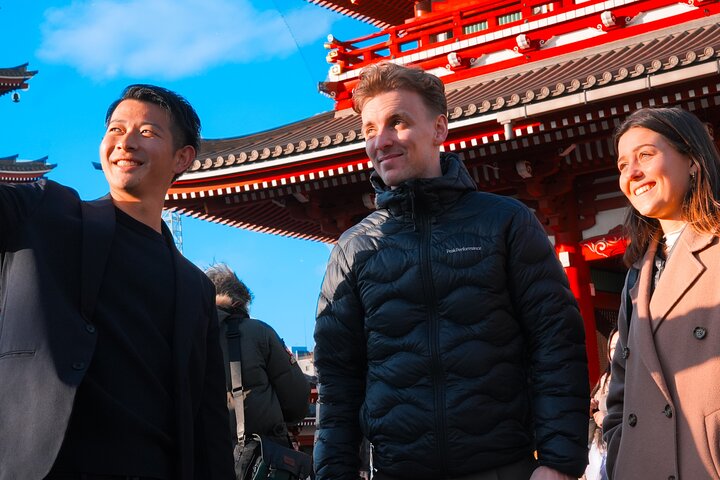
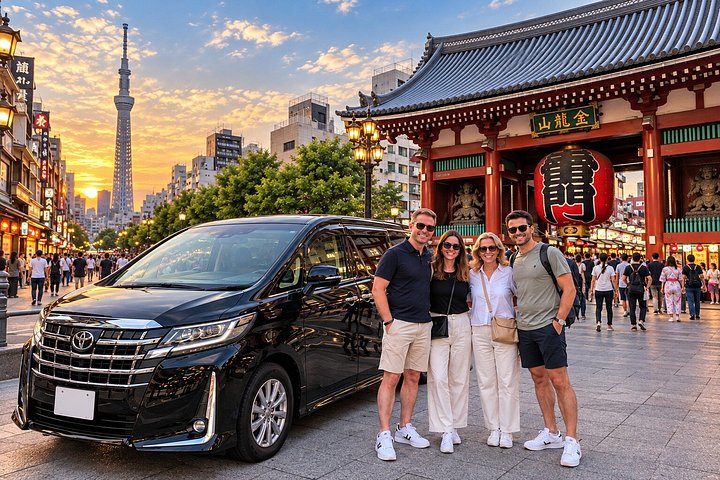
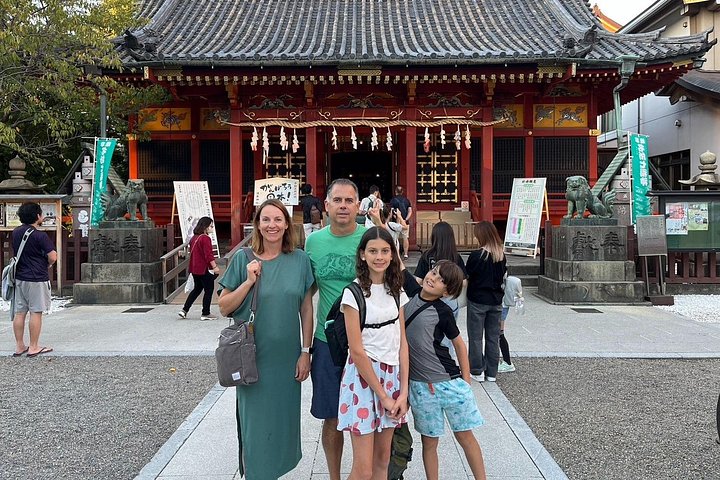
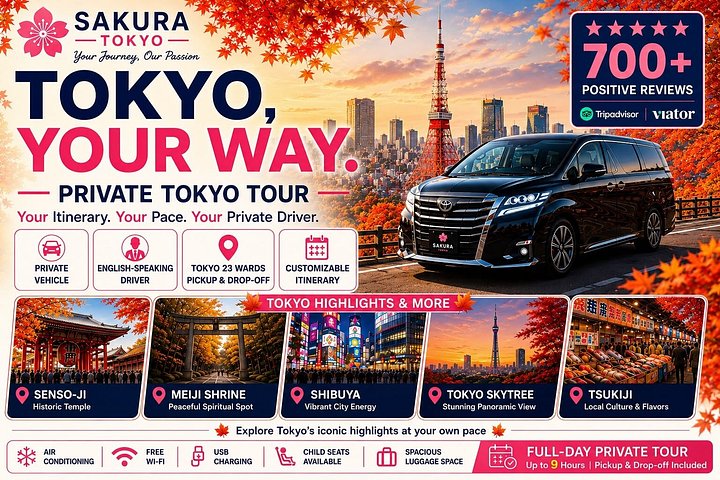
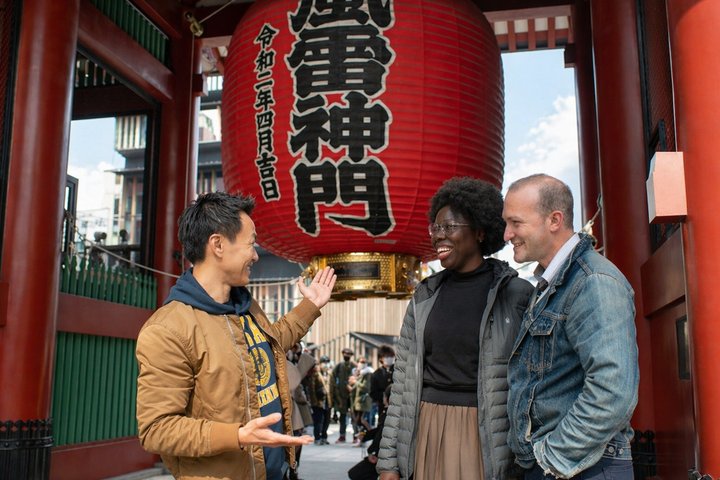
Sensoji (浅草寺, Sensōji, also known as Asakusa Kannon Temple) is a Buddhist temple located in Asakusa. It is one of Tokyo's most colorful and popular temples. The legend says that in the year 628, two brothers fished a statue of Kannon, the goddess of mercy, out of the Sumida River, and even though they put the statue back into the river, it always returned to them. Consequently, Sensoji was built nearby for the goddess of Kannon. The temple was completed in 645, making it Tokyo's oldest temple.
Shinjuku Gyoen is one of Tokyo's largest and most popular parks. Located a short walk from Shinjuku Station, the park's spacious lawns, meandering walking paths and tranquil scenery provide a relaxing escape from the busy urban center around it. In spring Shinjuku Gyoen becomes one of the best places in the city to see cherry blossoms.
Rikugien is often considered Tokyo's most beautiful Japanese landscape garden alongside Koishikawa Korakuen. Built around 1700 for the 5th Tokugawa Shogun, Rikugien literally means "six poems garden" and reproduces in miniature 88 scenes from famous poems. The garden is a good example of an Edo Period strolling garden and features a large central pond surrounded by manmade hills and forested areas, all connected by a network of trails.
Hama Rikyu is a large, attractive landscape garden in central Tokyo. Located alongside Tokyo Bay, Hama Rikyu features seawater ponds which change level with the tides, and a teahouse on an island where visitors can rest and enjoy the scenery. The traditionally styled garden stands in stark contrast to the skyscrapers of the adjacent Shiodome district.
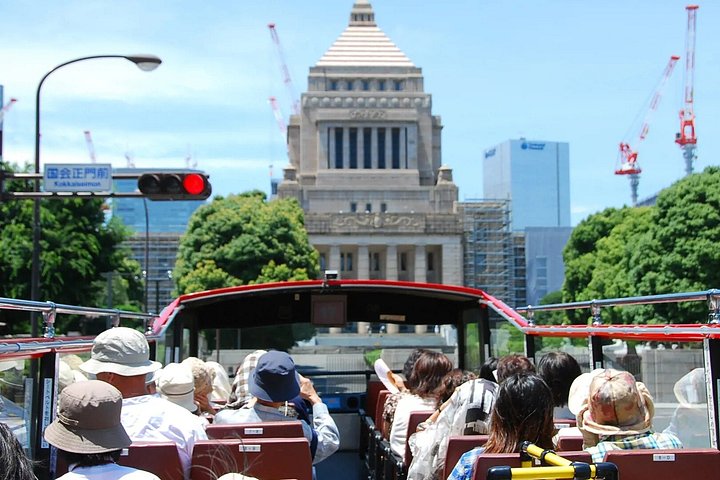
**This tour does not include access to the inside of the Imperial Palace** The current Imperial Palace is located on the former site of Edo Castle, a large park area surrounded by moats and massive stone walls in the center of Tokyo, a short walk from Tokyo Station. It is the residence of Japan's Imperial Family. Edo Castle used to be the seat of the Tokugawa shogun who ruled Japan from 1603 until 1867. In 1868, the shogunate was overthrown, and the country's capital and imperial residence were moved from Kyoto to Tokyo. In 1888 construction of a new Imperial Palace was completed. The palace was once destroyed during World War Two, and rebuilt in the same style, afterwards.
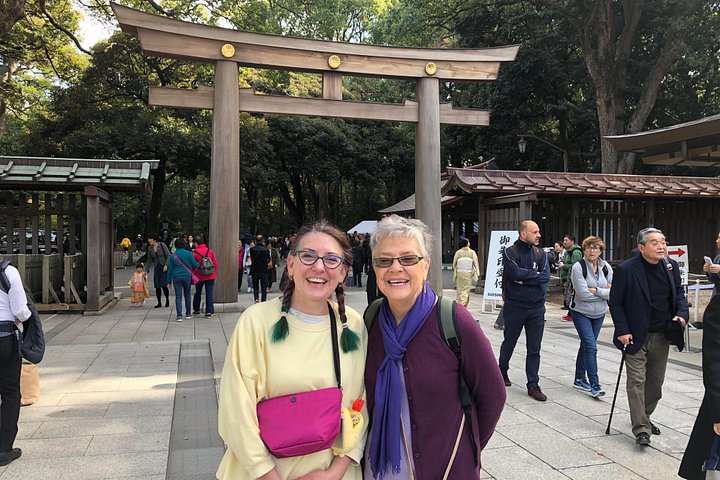
Meiji Shrine (明治神宮, Meiji Jingū) is a shrine dedicated to the deified spirits of Emperor Meiji and his consort, Empress Shoken. Located just beside the JR Yamanote Line's busy Harajuku Station, Meiji Shrine and the adjacent Yoyogi Park make up a large forested area within the densely built-up city. The spacious shrine grounds offer walking paths that are great for a relaxing stroll. The shrine was completed and dedicated to the Emperor Meiji and the Empress Shoken in 1920, eight years after the passing of the emperor and six years after the passing of the empress. The shrine was destroyed during the Second World War but was rebuilt shortly thereafter.
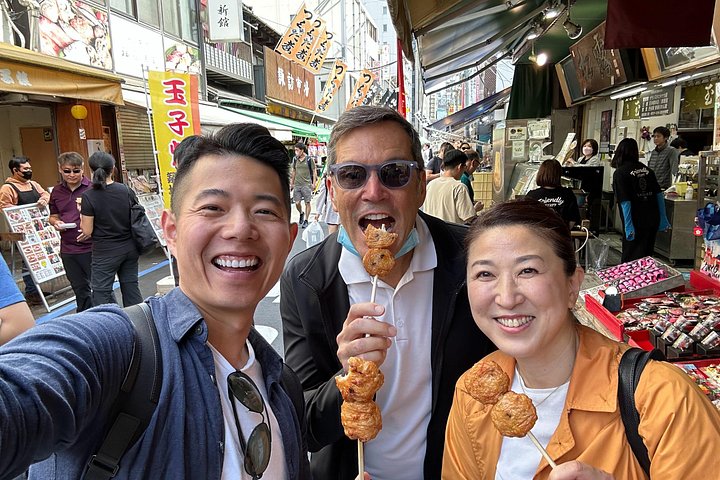
Explore the old fish market in Tokyo! Try lots of fresh fish!
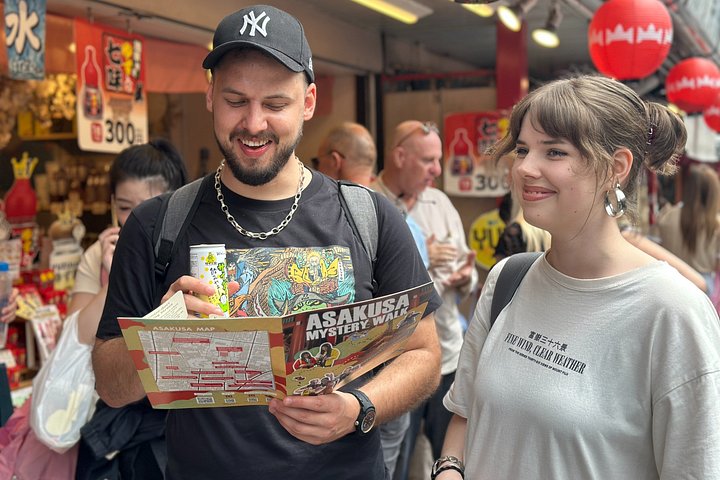
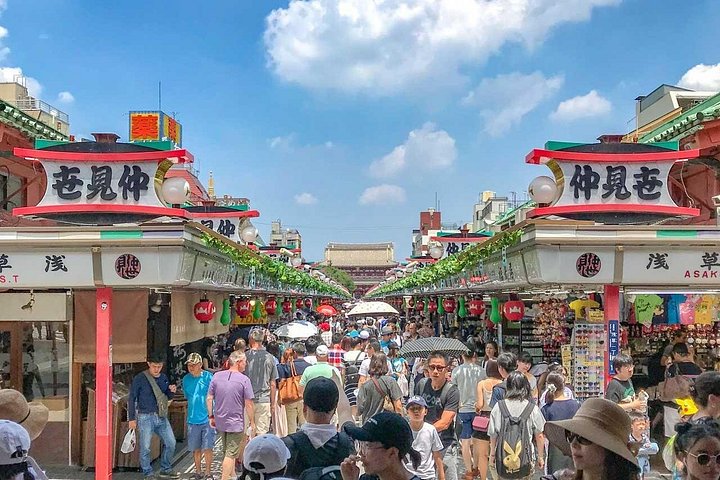
Asakusa (浅草) is the center of Tokyo's shitamachi (literally "low city"), one of Tokyo's districts, where an atmosphere of the Tokyo of past decades survives. Asakusa's main attraction is Sensoji, a very popular Buddhist temple, built in the 7th century. The temple is approached via the Nakamise, a shopping street that has been providing temple visitors with a variety of traditional, local snacks and tourist souvenirs for centuries.
Yoyogi Park (代々木公園, Yoyogi Kōen) is one of Tokyo's largest city parks, featuring wide lawns, ponds and forested areas. It is a great place for jogging, picnicking and other outdoor activities. Although Yoyogi Park has relatively few cherry trees compared to other sites in Tokyo, it makes for a nice cherry blossom viewing spot in spring. Furthermore, it is known for its ginko tree forest, which turns intensely golden in autumn.
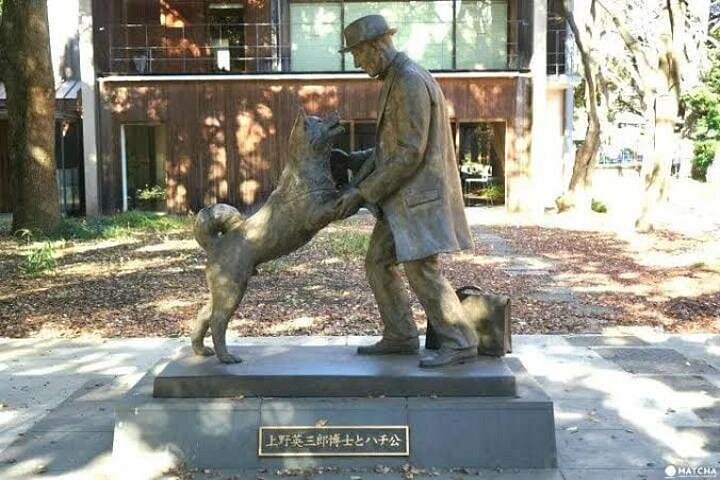
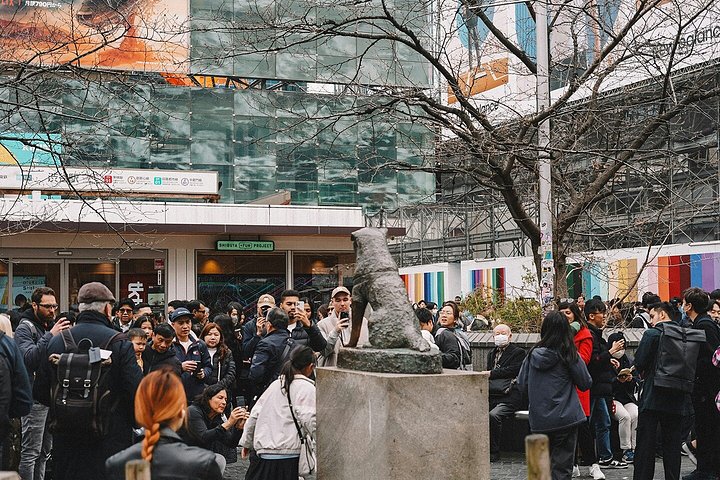
Shibuya Crossing:Said to be the busiest crossing in the world, Shibuya Scramble is a marvel of modern cities. You can also visit the loyal Hachiko dog statue here!
Akihabara (秋葉原), also called Akiba after a former local shrine, is a district in central Tokyo that is famous for its many electronics shops. In more recent years, Akihabara has gained recognition as the center of Japan's otaku (diehard fan) culture, and many shops and establishments devoted to anime and manga are now dispersed among the electronic stores in the district. On Sundays, Chuo Dori, the main street through the district, is closed to car traffic from 13:00 to 18:00 (until 17:00 from October through March).
Koishikawa Korakuen (小石川後楽園, Koishikawa Kōrakuen) is one of Tokyo's oldest and best Japanese gardens. It was built in the early Edo Period (1600-1867) at the Tokyo residence of the Mito branch of the ruling Tokugawa family. Like its namesake in Okayama, the garden was named Korakuen after a poem encouraging a ruler to enjoy pleasure only after achieving happiness for his people. Koishikawa is the district in which the garden is located in.
Gratis annuleren tot 24 uur voor aanvang, met volledige terugbetaling.
5,0
Beoordelingen komen uit 1 reviews die onze boekingspartner verzamelt. Het zijn de eigen woorden van reizigers, in de volgorde waarin ze geschreven zijn — nooit herschikt om de ervaring mooier te maken.
Neonverlichte wijken, stille heiligdommen, voortreffelijk eten en eigen buurten vormen Tokio, een uitgestrekte, ordelijke metropool vol stipte treinen.
Elke wijk voelt als een eigen stad. De beroemde kruising van Shibuya en de torens, bars en steegjes van Golden Gai in Shinjuku gonzen van energie, terwijl Harajuku jeugdmode combineert met de beboste rust van het Meiji Jingu-heiligdom. In Asakusa houden de Sensō-ji-tempel en zijn winkelstraat een ouder Tokio in leven, en Ginza biedt gepolijste warenhuizen en galeries.
Top-ranked sights in Tokio: Senso-ji Temple (Asakusa Temple), Tokyo Imperial Palace, Meiji Shrine (Meiji Jingu).
Van/voor-prijzen komen van de aanbieder, nooit van ons.
vanafUS$ 158US$ 134
vanafUS$ 452US$ 407
vanafUS$ 278US$ 255
vanafUS$ 199US$ 189

Zet Ticket Hall op uw beginscherm
Tickets en stadsgidsen, met één tik, ook offline.
Ticket Hall