-10%Cancellazione gratuita
Categorie a Atene
Le descrizioni sono mostrate in inglese.
A tour of Ancient Olympia is a journey to the birthplace of the Olympic Games, where history, myth, and sport come alive. Walking through the ancient stadium where athletes competed nearly 3,000 years ago is a powerful experience. The site was also a major religious center, home to the massive Temple of Zeus, once housing one of the Seven Wonders of the Ancient World. The Archaeological Museum showcases masterpieces like the statue of Hermes by Praxiteles, offering a deep insight into classical art and culture. Surrounded by lush landscapes and olive trees, Olympia is both peaceful and inspiring. It’s a place where visitors of all ages can connect with ancient traditions, legendary athletes, and the timeless Olympic spirit. For anyone interested in history, sports, or Greek culture, a tour of Olympia is not just a visit—it’s a must.
Ancient Olympia, located in the western Peloponnese, was a major religious and athletic center in ancient Greece. It was the site of the Olympic Games, first held in 776 BCE in honor of Zeus. The sanctuary included the massive Temple of Zeus, one of the Seven Wonders of the Ancient World, and the Temple of Hera. Every four years, athletes from across the Greek world gathered to compete, uniting the often-warring city-states in peaceful celebration. The games included running, wrestling, boxing, chariot races, and the pentathlon. Olympia also featured impressive sculptures, such as the statue of Zeus by Phidias. The site declined after the rise of Christianity and the banning of pagan festivals in the 4th century CE. Earthquakes and floods later buried the ruins, which were rediscovered in the 18th century. Today, Olympia remains a symbol of ancient Greek culture and the enduring legacy of the Olympic spirit.
The Archaeological Museum of Olympia, one of Greece's most important museums, was established in 1882 to house artifacts from the sanctuary of Ancient Olympia. The current building, completed in 1982, offers a modern and expanded space for the rich collection uncovered through excavations that began in the 19th century. The museum displays masterpieces of ancient Greek art and artifacts spanning from the prehistoric period to the Roman era. Highlights include the sculptures from the Temple of Zeus — especially the iconic statues of Apollo and the centaurs — and the statue of Hermes by Praxiteles, a masterpiece of Classical sculpture. The museum also exhibits tools, weapons, and offerings from the ancient Olympic Games, revealing both the religious and athletic significance of the site. With its carefully curated exhibits, the museum brings to life the history, art, and spiritual importance of Olympia, offering visitors a deep understanding of one of antiquity's most revered sanctuaries
The Corinth Canal, connecting the Gulf of Corinth with the Saronic Gulf, was a dream of ancient rulers. Periander, tyrant of Corinth, first conceived the idea in the 7th century BCE, but technical difficulties halted the project. Instead, a paved road called the Diolkos was used to drag ships across the Isthmus. Later, Roman emperors like Nero attempted to dig the canal, but efforts failed. The modern canal was finally completed between 1881 and 1893 by Greek and French engineers. It is 6.4 km long and cuts through the narrow Isthmus of Corinth, saving ships a 700 km journey around the Peloponnese. Though too narrow for large modern vessels, it remains a vital passage for smaller ships and a popular tourist attraction. The Corinth Canal symbolizes both ancient ambition and modern engineering, uniting two seas and serving as a gateway between mainland Greece and the Peloponnese for over a century.
Cancellazione gratuita fino a 24 ore prima dell’inizio, con rimborso totale.
5,0
I voti arrivano da 2 recensioni raccolte dal nostro partner di prenotazione. Sono parole dei viaggiatori, nell’ordine in cui sono state scritte — mai riordinate per far apparire meglio l’esperienza.
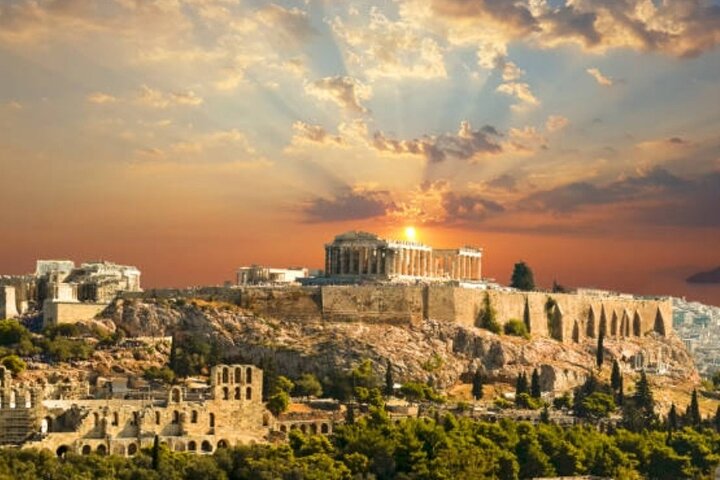
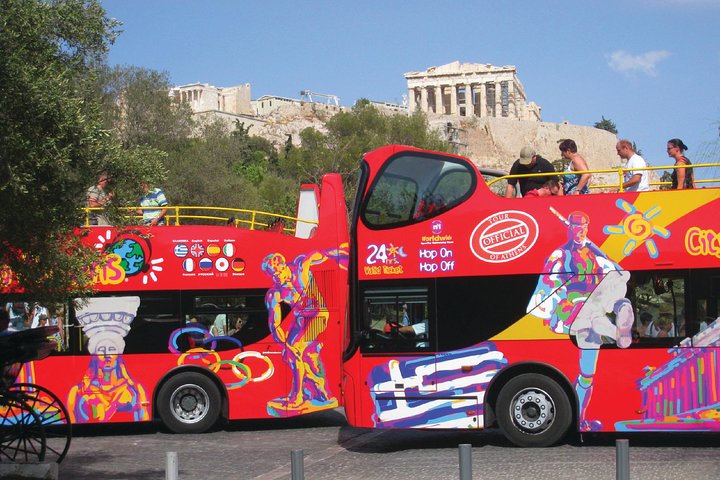
Atene pone l'Acropoli sopra una capitale moderna ed estesa, dove rovine antiche, vicoli in pendio e lunghe serate in taverna convivono.
Il Partenone corona l'Acropoli, affiancato dall'Eretteo con il suo portico delle cariatidi, e il Museo dell'Acropoli ai piedi della collina espone le sculture trovate sulla rocca. Intorno, l'Agorà antica, il Tempio di Zeus Olimpio, l'Arco di Adriano e lo stadio Panatenaico di marmo rendono facile percorrere a piedi la città classica.
Top-ranked sights in Atene: Acropolis, Parthenon, Acropolis Museum.
I prezzi barrati arrivano dall’operatore, mai da noi.

da151 USD144 USD

da151 USD144 USD

Aggiungi Ticket Hall alla schermata Home
Biglietti e guide delle città a portata di dito, anche offline.
Ticket Hall