-10%Cancellazione gratuita
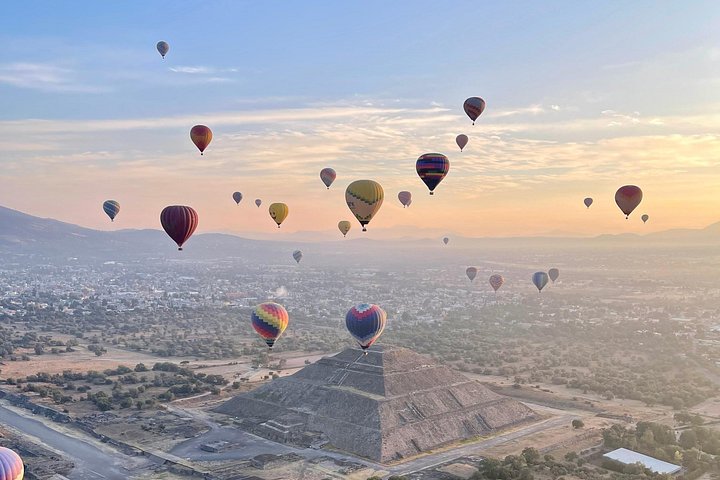
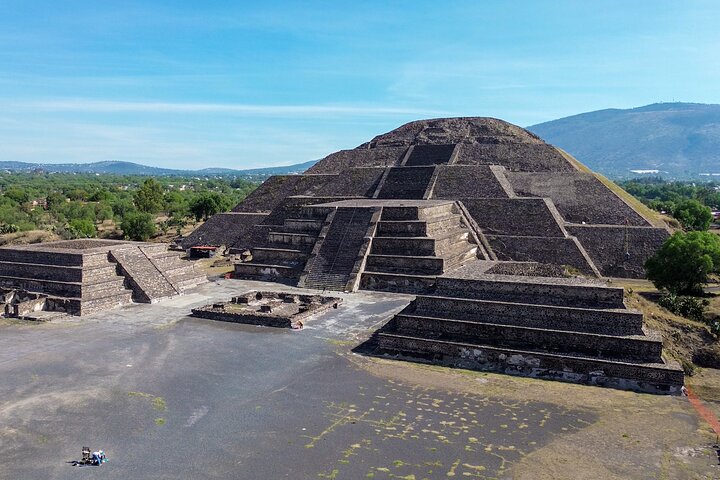
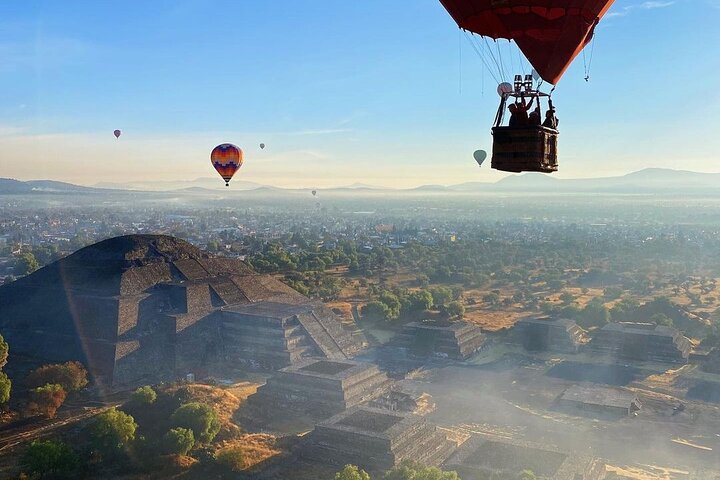
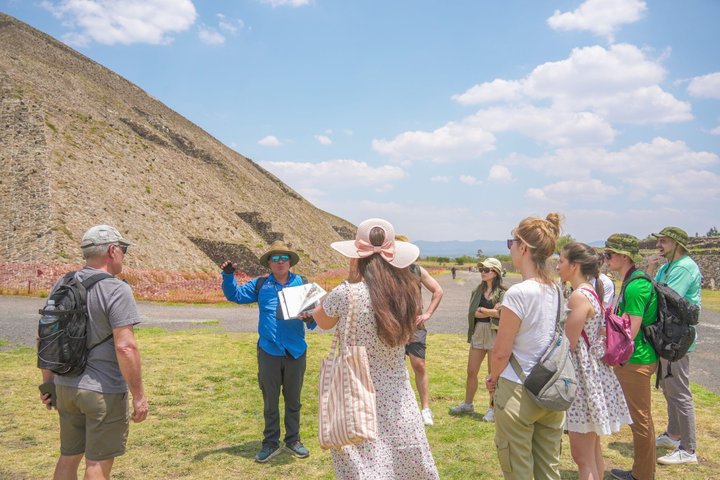
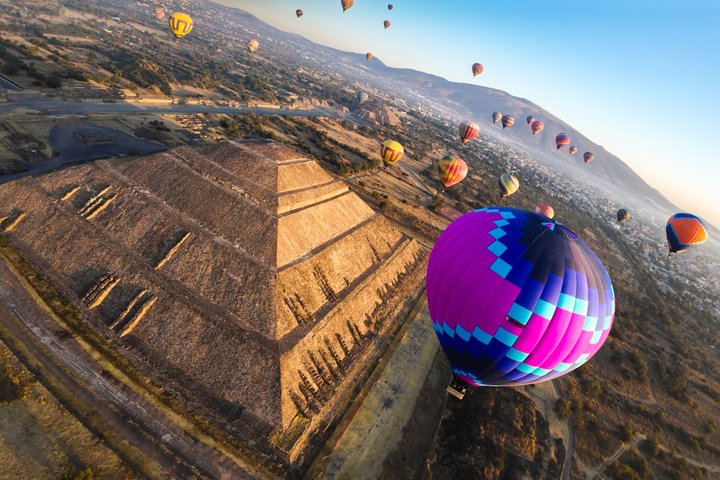
Balloon Ride + Cave Breakfast + Mexico City Pickup + Pyramids
da156 USD140 USD
Categorie a Città del Messico
Le descrizioni sono mostrate in inglese.
This isn't a standard walking tour — it's a curated sensory experience through one of Mexico City's most storied neighborhoods. Each stop along the route is paired with a carefully chosen soundtrack that brings the architecture, the street corners, and the stories around you to life in a way no narration alone could. Your guide Gabriel, a visual artist with a master's degree in art theory, weaves together threads you wouldn't expect: the African roots of mariachi, the origins of the tortilla, the voices of social movements, and the urban ambitions that turned a 16th-century indigenous village into one of Latin America's most elegant neighborhoods. The pace is relaxed and conversational. You'll walk roughly 2 hours, stopping at ten locations including La Romita chapel — the oldest in the city — and the grand Plaza Río de Janeiro. Groups are capped at 12. Come curious. Leave with a completely different understanding of Mexico City.
The tour covers eleven locations within Colonia Roma — nowhere else. Some stops are well-known; others are not touristic at all. Each one is chosen for what it reveals about Mexican cultural and historical identity, either through its architecture or its place in the city's history. The headphones go on. The walk begins.
Against all odds, this chapel has stood here since 1530. For centuries, the tiny village that grew around it retained its own idiosyncracy, well into the 20th century. Standing here, you can almost feel the layers of history overlapping each other. This historic spot provides the ideal setting to explore the story of the Virgin of Guadalupe, which originated roughly at the same time. After talking, we'll hear indigenous music pieces from different parts of Mexico.
The Lamm family never lived in this house. Built at a time when Mexico City faced a serious housing shortage, the structure is notably spacious and architecturally assured. That contradiction — private abundance alongside public scarcity — is the story this building tells.
A quick glance as you walk by. Somewhere inside, everyday Mexican objects from the modern era are on display — not art, not artifacts, just things. The blenders and bottle caps and branded packaging of daily life. The museum's very existence asks a question worth carrying with you for the rest of the walk: what do ordinary objects tell us that monuments cannot?
While Viator requires a generic label for this spot, make no mistake: this exact corner is a portal to the past. It offers the perfect vantage point to examine the lush, eclectic architecture that defines Colonia Roma and discover how its grand estates were transformed during the Mexican Revolution. To bring this history to life, your headphones will contrast the two sonic worlds of the era: a raw, street-born corrido detailing the conflict, followed by the polished melodies that dominated early radio stations.
The most iconic street in Colonia Roma provides the perfect backdrop to explore the dark synergy between the corrido—the narrative musical genre that flourished during the Mexican Revolution—and the era's sensationalist crime journalism. Both mediums documented the exact same violence, but through entirely different lenses: one captured it through José Guadalupe Posada's iconic relief etchings of flying skeletons, while the other immortalized it in popular folk ballads of legendary heroes. To fully immerse you in this dramatic era, your headphones will play expressive Mexican radionovelas from the 1950s.
In 1933, conservative and modernist architects argued publicly about the direction of Mexican architecture. The debate was not just aesthetic — it reflected competing ideas about national identity and aspiration, set against the practical reality of a city whose population was doubling every decade and desperately needed housing. This plaza sits in the middle of that argument.
Step into El Parián, a hidden passageway transformed into a glamorous, 19th-century-style shopping arcade. Yet, the real magic lies just outside: directly opposite stands a vernacular tortillería. This stark contrast creates the perfect backdrop to explore a piece of history that most Mexicans curiously ignore: the ancient origin of the tortilla. As you watch the machinery at work, we will travel back twenty-five centuries to the first Zapotec state, where this culinary staple was invented around 500 BC, forever shaping the foundations of Mesoamerican life.
Built originally as a hotel, the Witches' House became an apartment building. As a piece of eclectic architecture it is notable in its own right, but it also stands as a physical record of the neighborhood's transition — from exclusively residential to a mixed-use area serving a broader part of the city.
This plaza was part of Colonia Roma's original 1902 urban plan. The route has covered five centuries of history without leaving the neighborhood.
Cancellazione gratuita fino a 24 ore prima dell’inizio, con rimborso totale.
5,0
I voti arrivano da 7 recensioni raccolte dal nostro partner di prenotazione. Sono parole dei viaggiatori, nell’ordine in cui sono state scritte — mai riordinate per far apparire meglio l’esperienza.
Città del Messico è una vasta capitale d'alta quota costruita sull'azteca Tenochtitlan, ricca di musei, murales, mercati e cucina eccezionale.
Lo Zócalo, una delle piazze più grandi del mondo, è incorniciato dalla Cattedrale Metropolitana e dal Palazzo Nazionale, dove i murales di Diego Rivera raccontano la storia del Messico. Accanto, il Templo Mayor portato alla luce rivela il cuore della capitale azteca, e il Palacio de Bellas Artes, con l'esterno di marmo e l'interno Art Déco, sorge a breve distanza verso ovest.
Top-ranked sights in Città del Messico: Teotihuacán, Basilica of Our Lady of Guadalupe, Frida Kahlo Museum (Museo Frida Kahlo).
I prezzi barrati arrivano dall’operatore, mai da noi.
da156 USD140 USD



da120 USD102 USD
da156 USD140 USD
Aggiungi Ticket Hall alla schermata Home
Biglietti e guide delle città a portata di dito, anche offline.
Ticket Hall