15% rabattFri avbokning
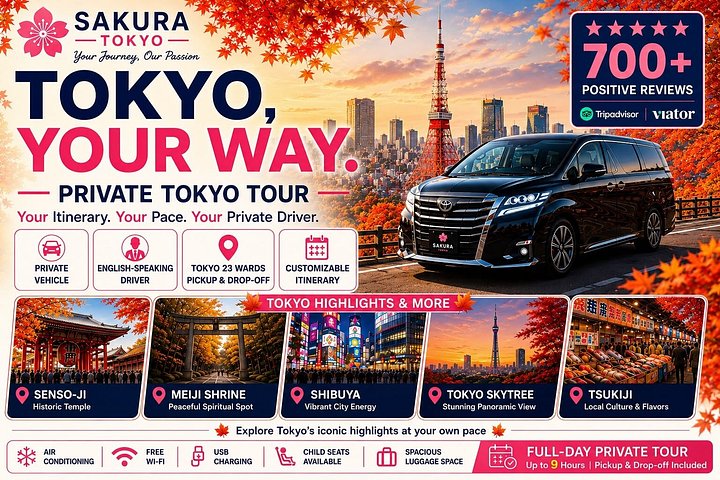
Det bästa av Tokyo Private Custom Tour: Tsukiji, Asakusa & Meiji-jingu
från158 US$134 US$
Kategorier i Tokyo
Beskrivningarna visas på engelska.
This tour goes beyond typical sightseeing by focusing on one of the most defining yet often overlooked events in Tokyo’s history—the Great Air Raid of 1945 and its aftermath. Rather than simply visiting famous landmarks, you will walk through places where real events unfolded, gaining a deeper understanding of how war shaped the city today. What makes this experience unique is its storytelling approach. Each location is carefully connected, from the memorials of Yokoamicho Park to the tragic site of Kototoi Bridge, and finally to vibrant areas like Asakusa and Ameyoko that represent Tokyo’s recovery. This creates a clear narrative from destruction to reconstruction, offering a perspective that is difficult to grasp on your own. With a knowledgeable local guide, you will learn historical facts along with real stories and cultural context behind modern Tokyo.
Yokoamicho Park is a memorial site dedicated to victims of the Great Kanto Earthquake and the Tokyo Air Raids of 1945. Located on the former site of an army clothing depot, it is known as one of the most tragic locations of wartime firestorms, where many civilians lost their lives. Today, it serves as a place for remembrance and reflection on disaster and war.
Kototoi Bridge spans the Sumida River and is closely associated with the events of the Tokyo Air Raid. During the bombing, many civilians gathered here seeking escape, only to face devastating firestorms. The bridge and surrounding riverbanks became sites of immense tragedy, making it a powerful location to understand the reality of urban warfare.
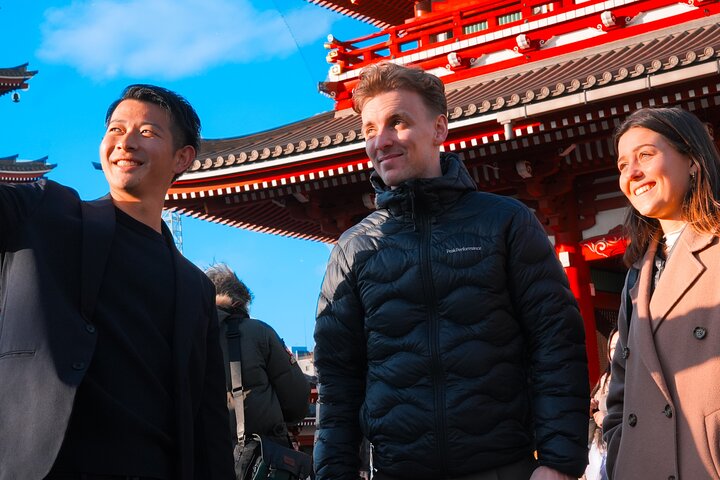
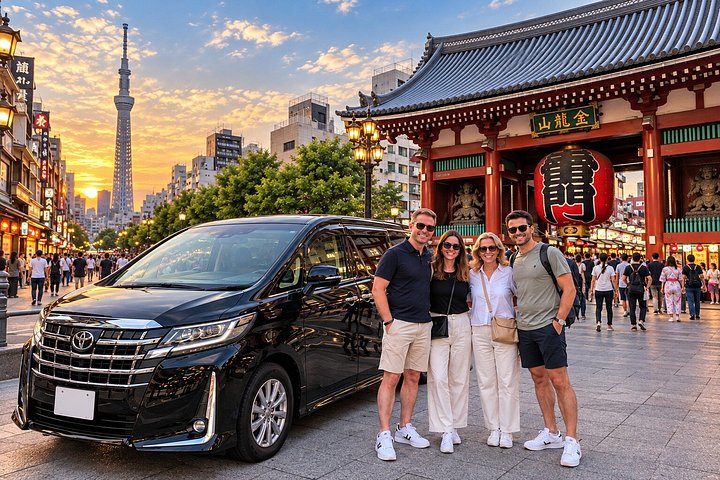
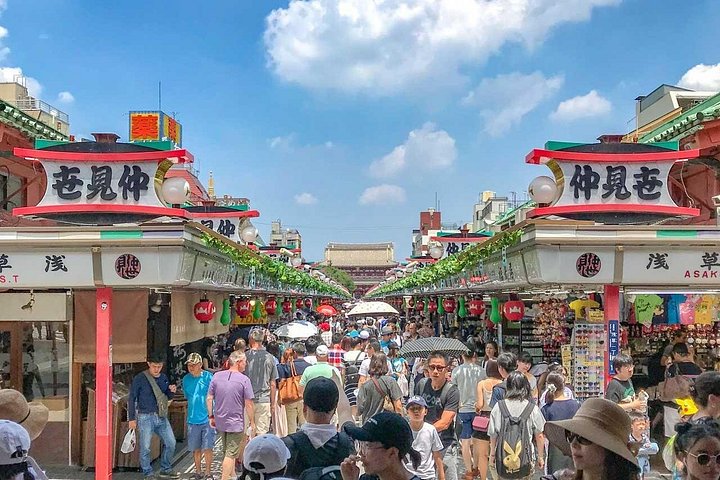
Senso-ji is Tokyo’s oldest temple and a symbol of the city’s cultural heritage. Severely damaged during World War II air raids, the current structures were rebuilt in the postwar period. Today, it stands as both a major tourist destination and a testament to Tokyo’s recovery and resilience after destruction.
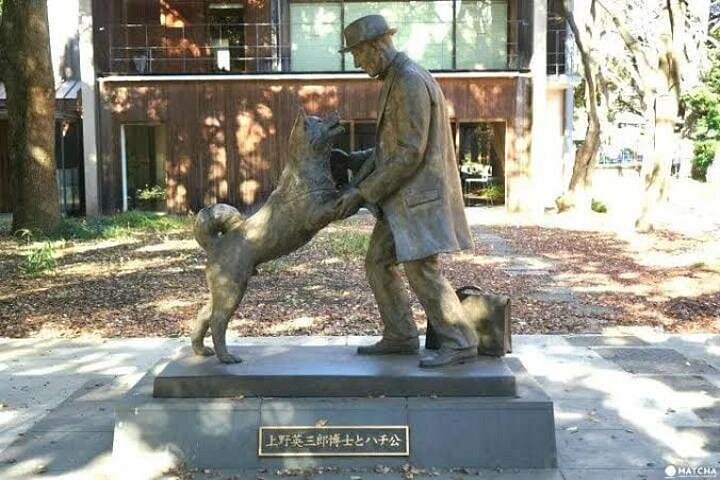
Ueno Park is a large public park that played multiple roles during and after the war. It was used as a temporary burial site for victims of air raids, and nearby Ueno Zoo became known for the wartime “animal culling.” Today, the park represents both remembrance and the transformation of Tokyo into a peaceful urban space.
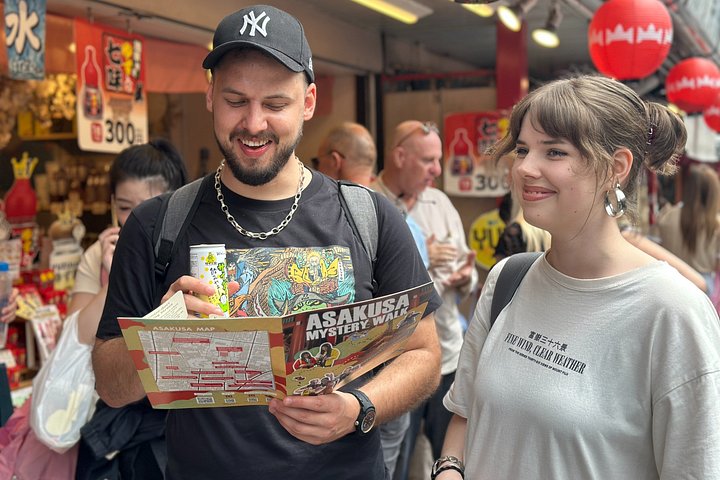
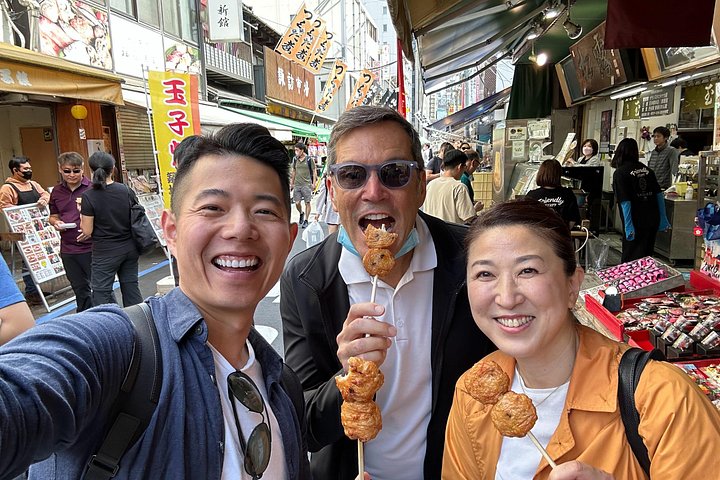
Ameya-Yokocho, commonly known as Ameyoko, is a bustling market street that originated as a black market after World War II. Following widespread destruction and strict economic controls, informal trade flourished here. Today, it remains a lively shopping area, reflecting the energy and resilience of postwar Tokyo.
Fri avbokning till 24 timmar innan upplevelsen börjar, med full återbetalning.
Neonbelysta stadsdelar, tysta helgedomar, fantastisk mat och distinkta kvarter utgör Tokyo, en enorm, ordnad metropol sammanlänkad av punktliga tåg.
Varje stadsdel känns som en egen stad. Shibuyas berömda övergångsställe och Shinjukus torn, barer och gränder i Golden Gai pulserar av energi, medan Harajuku blandar ungdomsmode med skogsklädd ro vid Meiji Jingu-helgedomen. I Asakusa håller templet Sensō-ji och dess marknadsgata ett äldre Tokyo vid liv, och Ginza erbjuder eleganta varuhus och gallerier.
Top-ranked sights in Tokyo: Senso-ji Temple (Asakusa Temple), Tokyo Imperial Palace, Meiji Shrine (Meiji Jingu).
Förr/nu-priser kommer från arrangören, aldrig från oss.
från158 US$134 US$
från452 US$407 US$
från278 US$255 US$

Lägg till Ticket Hall på hemskärmen
Biljetter och stadsguider, ett tryck bort, även offline.
Ticket Hall