15 % RabattKostenlose Stornierung
Kategorien in Tokio
Die Beschreibungen werden auf Englisch angezeigt.
This 5 hr walking tour will also hold a 1 hr Pottery making experience at Shirokane Ceramic Art School for 6hrs of fun! You can make your pottery by either “Wheel Throwing” or “Hand Building”. Before your Pottery making experience, you will go on a walking tour with our licensed guide! Start time: The estimated time for the pottery will be about 5 hours from the start of the tour. Note*1: Kiln firing fee and shipping fee are not included. Please pay directly to the school on the day. (Work burning fee depends on volume: Cups 1000yen, small bowls 2,000yen, Large bowls, plates 3,000yen~) Note*2: Pieces are ready ~3 weeks after the class. If you wish have your pieces faster, an express plan is available for additional costs. Note*3: Pottery Making Experience is a group session with a maximum of 8 persons. Note*4: Only for age 4 yrs or above can join the Pottery Making Experience. Note*5: Experience time may take more than an hour. Please book this tour with enough time to spare.
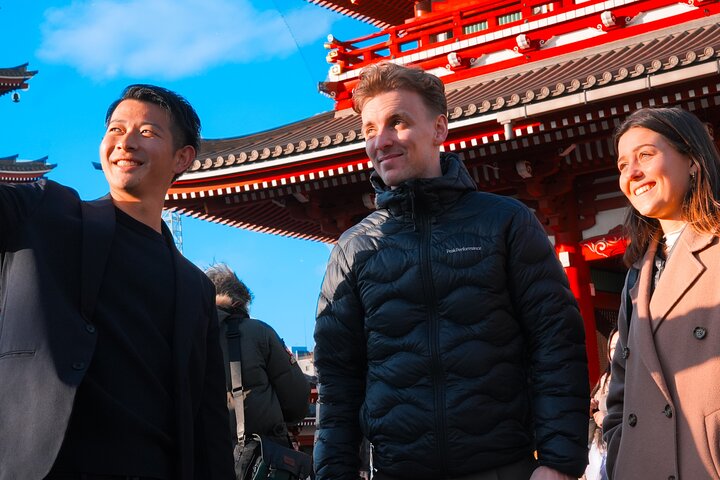
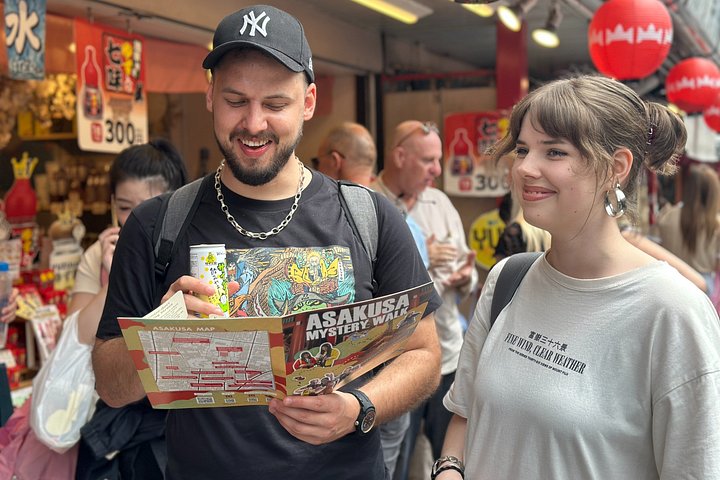
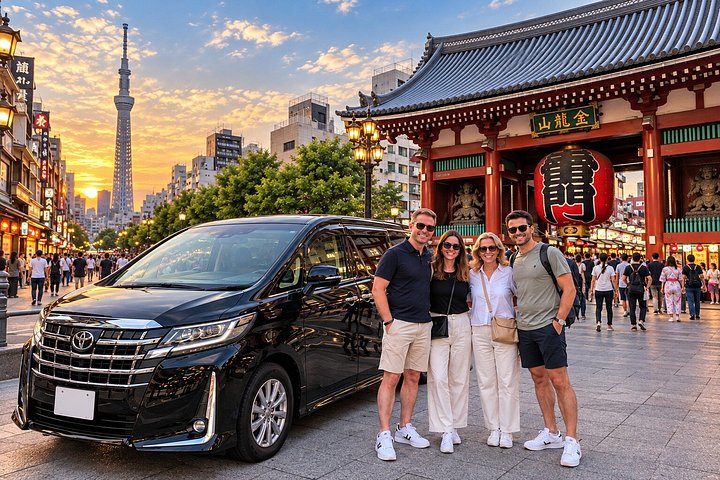
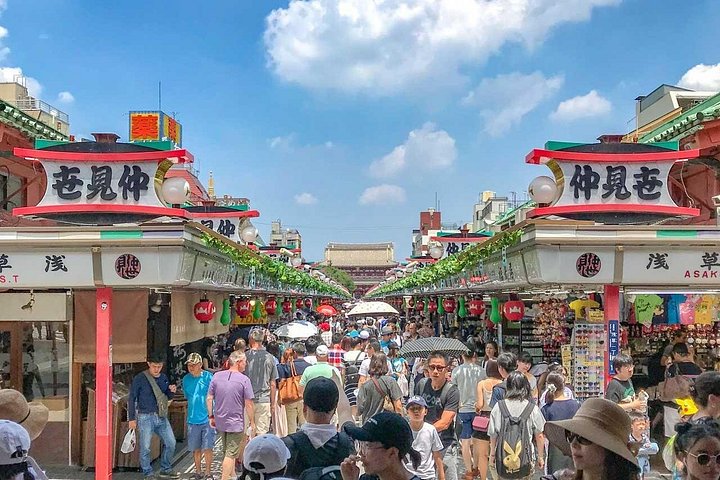
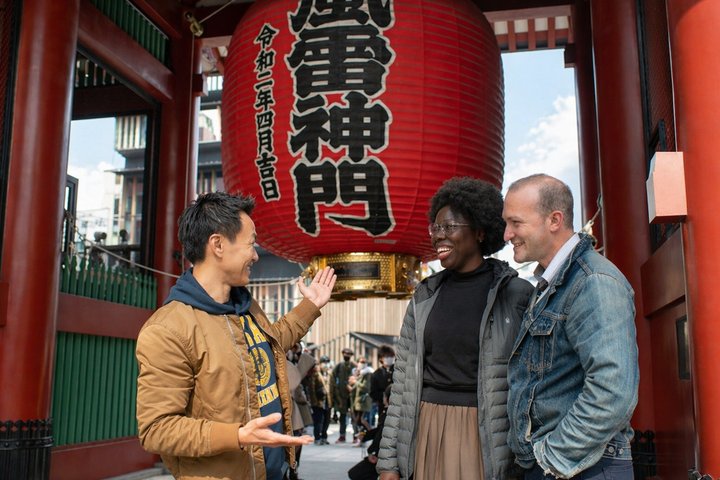
Explore the old downtown of Tokyo in Asakusa! This area is famous for Sensoji Temple and Nakamise Shopping street. You can get your fortune at the temple and enjoy traditional Japanese sweets along the shopping street!
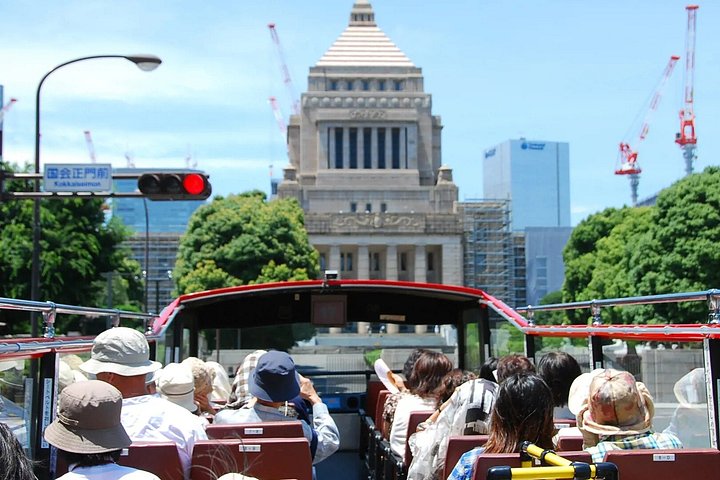
**This tour does not include access to the inside of the Imperial Palace** This tour will allow you to explore Tokyo more efficiently in one day. Meet at your hotel, then move to anywhere you want. You are not able to visit inside the Imperial Palace.
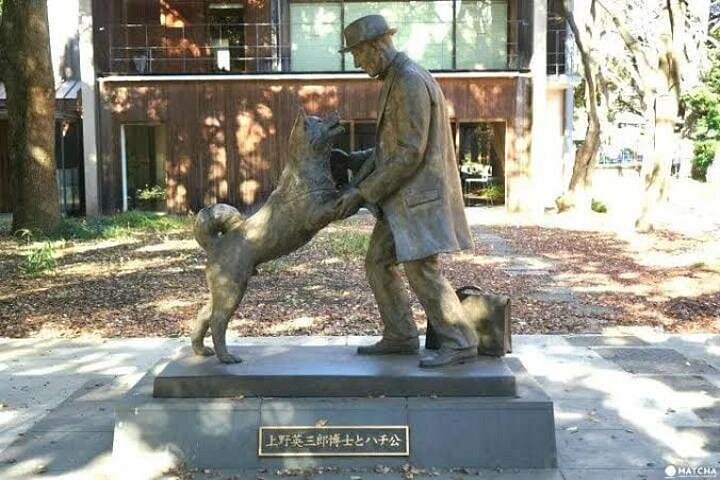
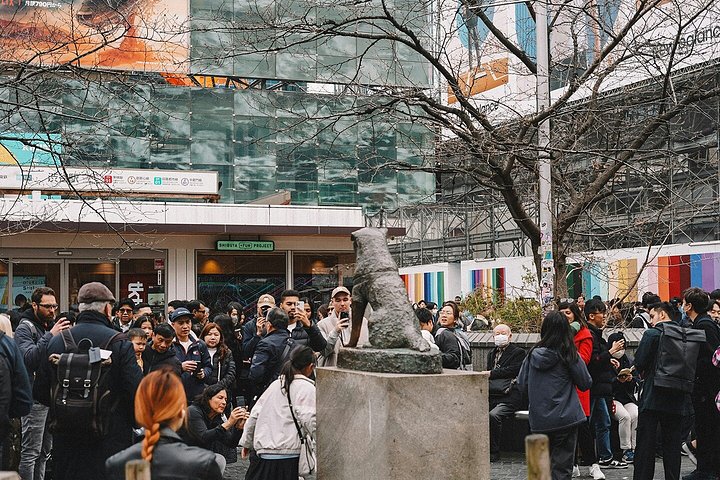
Said to be the busiest crossing in the world, Shibuya Scramble is a marvel of modern cities. You can also visit the loyal Hachiko dog statue here!
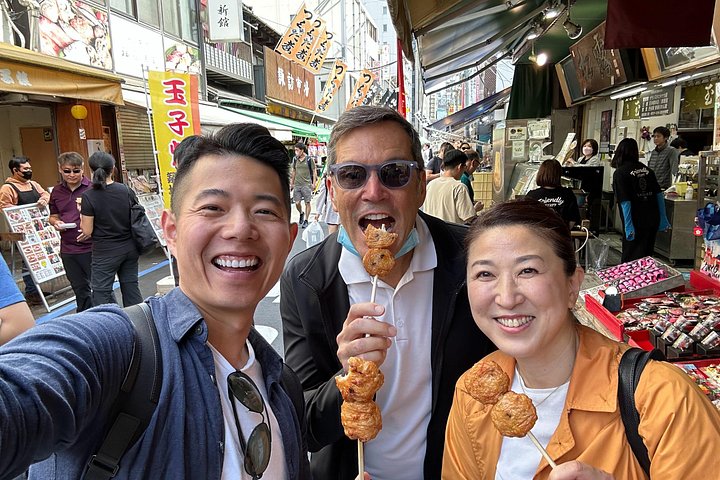
Explore the old fish market in Tokyo!
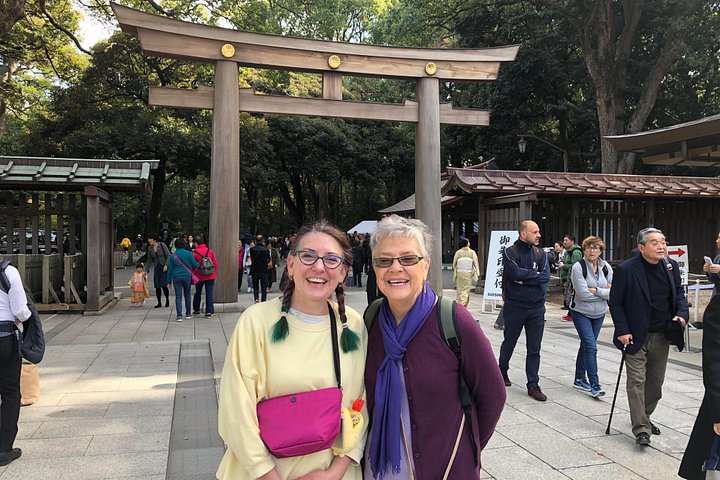
Meiji Shrine (明治神宮, Meiji Jingū) is a shrine dedicated to the deified spirits of Emperor Meiji and his consort, Empress Shoken. Located just beside the JR Yamanote Line's busy Harajuku Station, Meiji Shrine and the adjacent Yoyogi Park make up a large forested area within the densely built-up city. The spacious shrine grounds offer walking paths that are great for a relaxing stroll. The shrine was completed and dedicated to the Emperor Meiji and the Empress Shoken in 1920, eight years after the passing of the emperor and six years after the passing of the empress. The shrine was destroyed during the Second World War but was rebuilt shortly thereafter.
Rikugien (六義園) is often considered Tokyo's most beautiful Japanese landscape garden alongside Koishikawa Korakuen. Built around 1700 for the 5th Tokugawa Shogun, Rikugien literally means "six poems garden" and reproduces in miniature 88 scenes from famous poems. The garden is a good example of an Edo Period strolling garden and features a large central pond surrounded by manmade hills and forested areas, all connected by a network of trails.
Yoyogi Park (代々木公園, Yoyogi Kōen) is one of Tokyo's largest city parks, featuring wide lawns, ponds and forested areas. It is a great place for jogging, picnicking and other outdoor activities. Although Yoyogi Park has relatively few cherry trees compared to other sites in Tokyo, it makes for a nice cherry blossom viewing spot in spring. Furthermore, it is known for its ginko tree forest, which turns intensely golden in autumn.
Harajuku (原宿) refers to the area around Tokyo's Harajuku Station, which is between Shinjuku and Shibuya on the Yamanote Line. It is the center of Japan's most extreme teenage cultures and fashion styles, but also offers shopping for adults and some historic sights. The focal point of Harajuku's teenage culture is Takeshita Dori (Takeshita Street) and its side streets, which are lined by many trendy shops, fashion boutiques, used clothes stores, crepe stands and fast food outlets geared towards the fashion and trend conscious teens.
Hama Rikyu (浜離宮, Hama Rikyū), is a large, attractive landscape garden in central Tokyo. Located alongside Tokyo Bay, Hama Rikyu features seawater ponds which change level with the tides, and a teahouse on an island where visitors can rest and enjoy the scenery. The traditionally styled garden stands in stark contrast to the skyscrapers of the adjacent Shiodome district.
Shinjuku Gyoen is one of Tokyo's largest and most popular parks. Located a short walk from Shinjuku Station, the park's spacious lawns, meandering walking paths and tranquil scenery provide a relaxing escape from the busy urban center around it. In spring Shinjuku Gyoen becomes one of the best places in the city to see cherry blossoms.
Akihabara (秋葉原), also called Akiba after a former local shrine, is a district in central Tokyo that is famous for its many electronics shops. In more recent years, Akihabara has gained recognition as the center of Japan's otaku (diehard fan) culture, and many shops and establishments devoted to anime and manga are now dispersed among the electronic stores in the district. On Sundays, Chuo Dori, the main street through the district, is closed to car traffic from 13:00 to 18:00 (until 17:00 from October through March).
Koishikawa Korakuen (小石川後楽園, Koishikawa Kōrakuen) is one of Tokyo's oldest and best Japanese gardens. It was built in the early Edo Period (1600-1867) at the Tokyo residence of the Mito branch of the ruling Tokugawa family. Like its namesake in Okayama, the garden was named Korakuen after a poem encouraging a ruler to enjoy pleasure only after achieving happiness for his people. Koishikawa is the district in which the garden is located in.
Kostenlose Stornierung bis 24 Stunden vor Beginn, mit voller Rückerstattung.
Neonviertel, stille Schreine, großartiges Essen und eigenständige Stadtteile prägen Tokio, eine riesige, geordnete Metropole mit pünktlichen Zügen.
Jeder Stadtteil fühlt sich wie eine eigene Stadt an. Shibuyas berühmte Kreuzung und Shinjukus Türme, Bars und Gassen von Golden Gai pulsieren vor Energie, während Harajuku Jugendmode mit der waldigen Ruhe des Meiji-Schreins verbindet. In Asakusa halten der Sensō-ji-Tempel und seine Marktstraße ein älteres Tokio lebendig, und Ginza bietet gepflegte Kaufhäuser und Galerien.
Top-ranked sights in Tokio: Senso-ji Temple (Asakusa Temple), Tokyo Imperial Palace, Meiji Shrine (Meiji Jingu).
Streichpreise kommen vom Anbieter, nie von uns.


Ticket Hall zum Home-Bildschirm hinzufügen
Tickets und Stadtführer, nur einen Fingertipp entfernt, auch offline.
Ticket Hall