Sacred Valley VIP Private Tour
Die Beschreibungen werden auf Englisch angezeigt.
- 5–8 Stunden
- Kostenlos stornierbar bis 24 Std. vorher
- 2 Sprachen
- Sofortige Bestätigung
Highlights
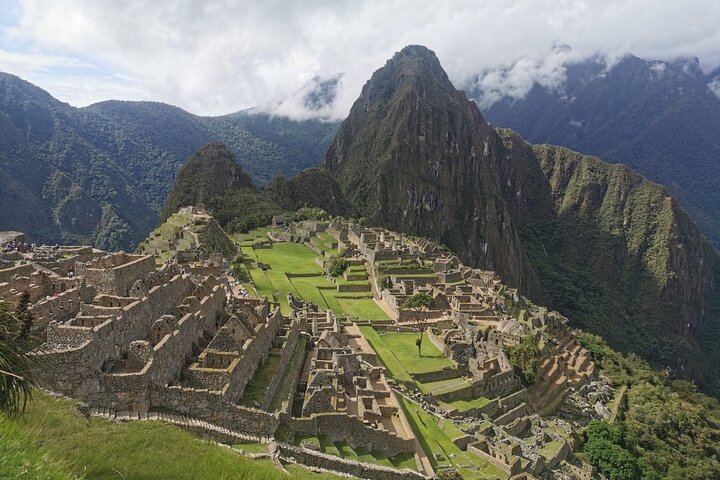
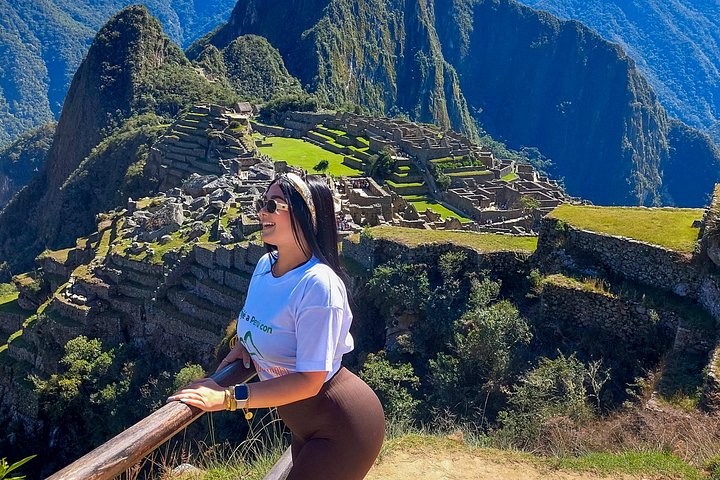
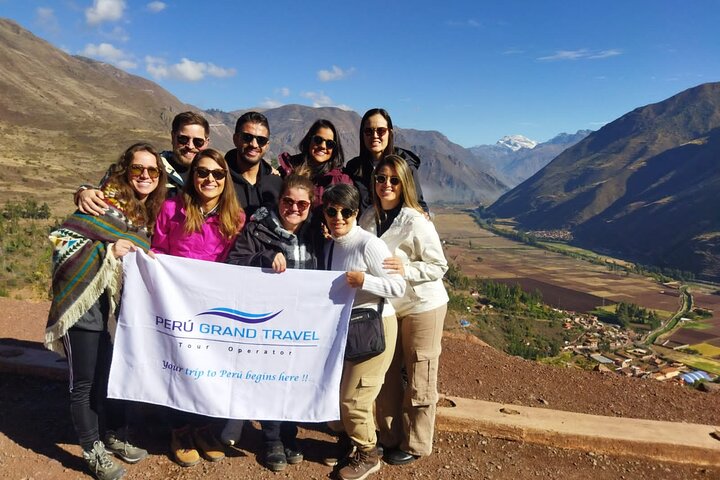
The private tour is carried out with a minimum of 2 people.. The Sacred Valley, located in Peru's Andean highlands, was a central part of the Inca Empire, along with the nearby town of Cusco and the ancient city of Machu Picchu. Spanning approximately 60 kilometers, this region boasts fertile farmland and hosts charming Spanish colonial villages such as Pisac and Ollantaytambo. Pisac is famous for its vibrant Sunday handicraft market and its hilltop Incan citadel.
Leistungen
Inbegriffen
- Private transportation
- Boleto Turístico Parcial 70 soles por persona - Boleto Turístico
- Cusco Hotel Transfer
- Entrada a las Salineras de Maras (20 soles por persona)
- Guided Tour
- Buffet Lunch in Urubamba (Vegan option)
Ablauf
Chinchero is a small Andean Indian village located high up on the windswept plains of Anta at 3765m about 30km from Cusco. There are beautiful views overlooking the Sacred Valley of the Incas, with the Cordillera Vilcabamba and the snow-capped peak of Salkantay dominating the western horizon. Chinchero is believed to be the mythical birthplace of the rainbow. Its major claim to tourism is its colourful Sunday market which is much less tourist-orientated than the market at Pisac. The village mainly comprises mud brick (adobe) houses, and locals still go about their business in traditional dress. The village may have been an important town in Inca times. The most striking remnant of this period is the massive stone wall in the main plaza which has ten trapezoidal niches. The construction of the wall and many other ruins and agricultural terraces (which are still in use) are attributed to Inca Tupac Yupanqui who possibly used Chinchero as a kind of country resort.
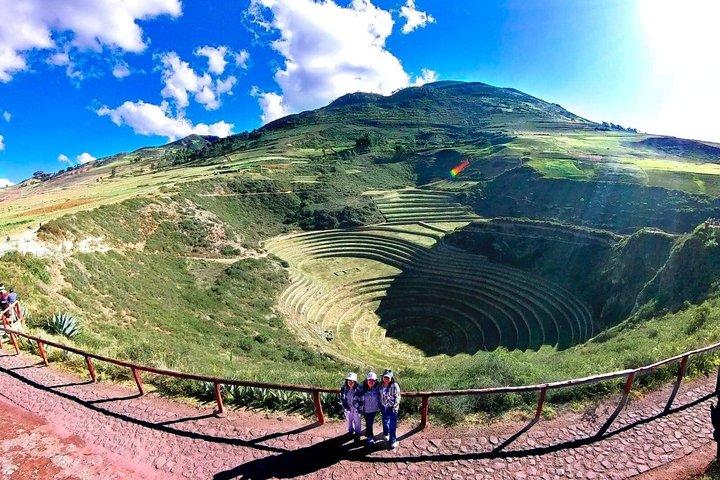
Everywhere you look in Cusco you can see how advanced the Incas were in their agricultural techniques, such as the terracing system and irrigation using aqueducts. In Moray, for example, they used circular terraces that demonstrate the high level of culture the Inca civilization achieved. Moray is 4.5 miles from the town of Maras and 39 miles from Cusco. The main feature that impresses travelers is its system of circular agricultural terraces, which are up to 330 feet deep. They are build using retaining walls connected by an irrigation system. Moray can be considered a crop lab– they used the terraces to create micro-climates and grow various products.
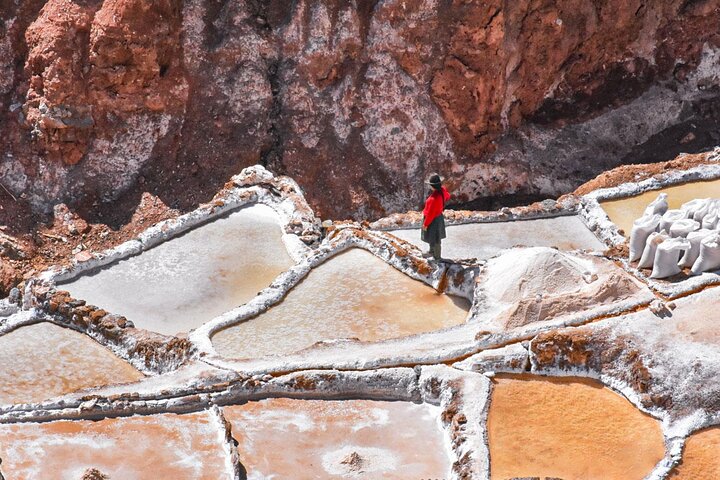
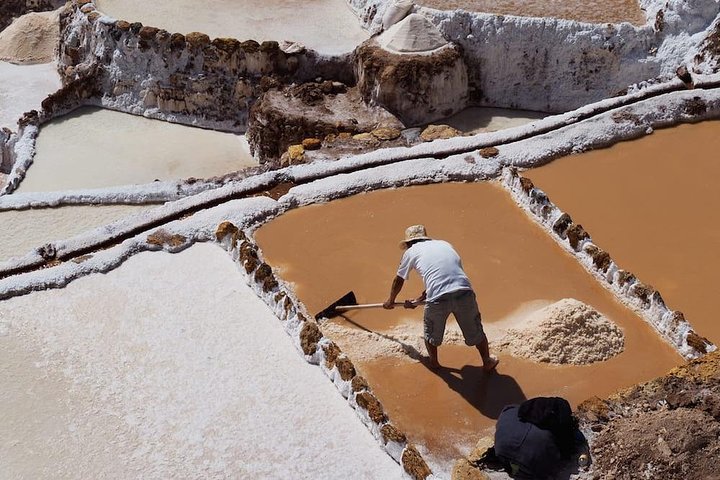
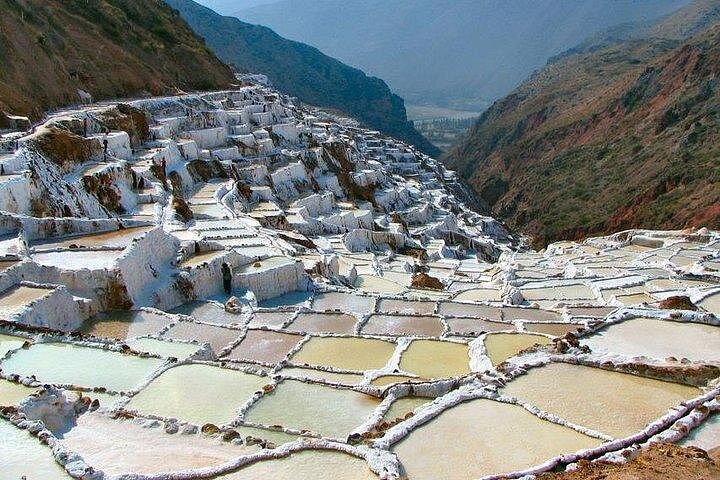
The salt mines, or the famous "salt pools" of Maras are located in the rural community of Pichingoto. This site is highly recommended for photography lovers because of its impressive landscape that stretches out in all of its splendor. It is also perfect for hikers and mountain bikers, since this trail connects the salt mines with the villages of Tarabamba and Pichingoto. Highlights of this area include the Moray archaeological site, a sort of amphitheater formed of various circular terraces. Also worth visiting is the Sanctuary of Tiobamaba, a colonial church built of adobe that houses paintings from Cusco such as The Last Supper.
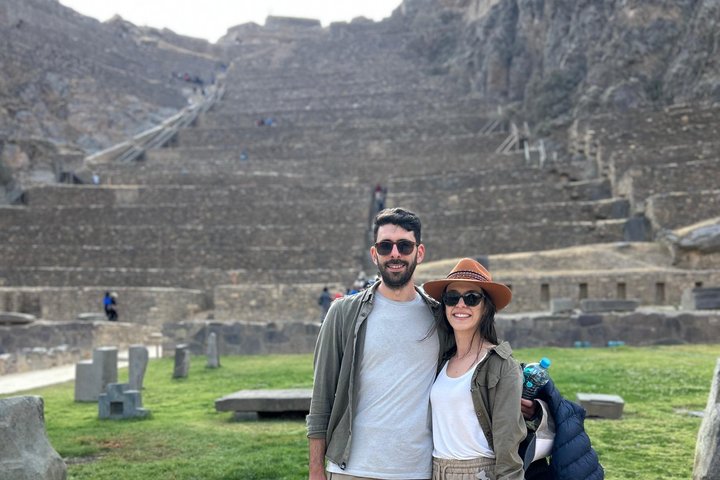
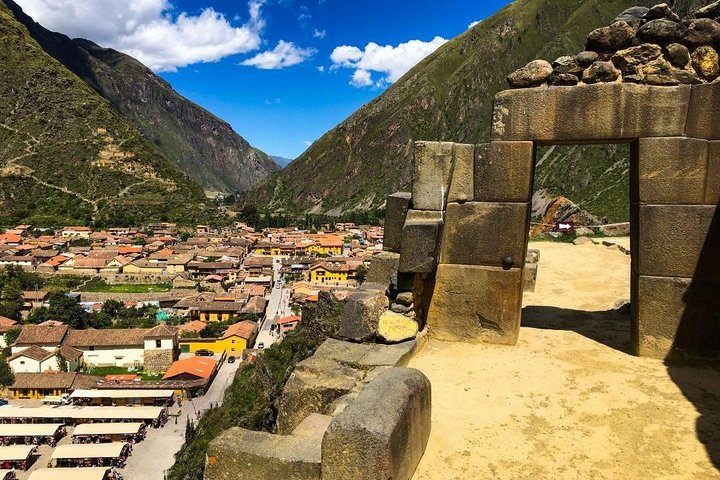
Ollantaytambo is a lovely village that preserves the designs of Inca buildings located at an altitude of 9160 feet in the province of Urubamba. Among this place's most impressive attractions are the ceremonial temple in worship of water and a fortress that guarded the entrance to the valley to repel any invasions. The temple has a set of terraces lying one atop the other which visitors scale via a steep stairway. The fortress is a stone colossus that was built between two mountains to protect the valley. The area also holds the Temple of Inti (the sun god), Incamisana, the baths of the Ñustas (princesses), the Cachiccata funerary towers, and a group of tiered and very steep terraces on the side of a hill. Ollantaytambo also contains the mountain called Pinculluna or Tunupa, which holds the vestiges of Inca architectural structures which seem to have been a storehouse for various foodstuffs.
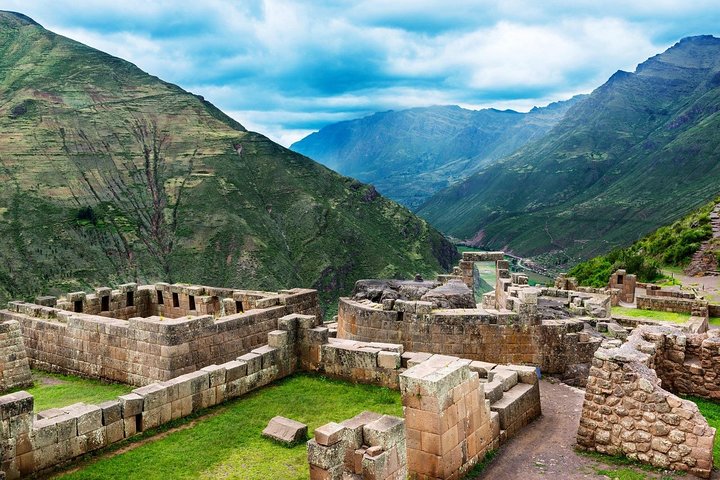
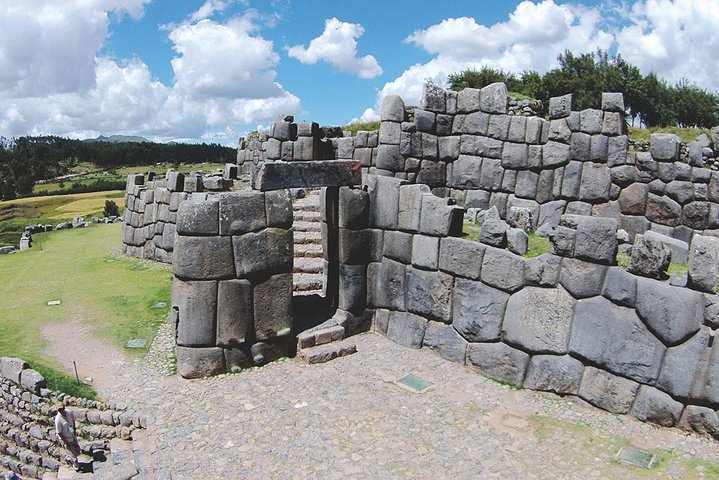
Pisac’s fascinating stone block walls show a balanced proportion, from its size to the perfect joints of each stone, forming a wonderful architectural complex that captivates visitors in the Sacred Valley. The word Pisac has a Quechua origin meaning partridge, a hen-like bird that inhabits the area. According to theories, this complex was slightly similar to the “Royal Estate” of the Inca Pachacutec, that’s why it has a variety of facilities such as terraces, a ceremonial room, palaces, walls, and towers all connected to each other, without any amalgam. Intihuatana Known as the most important ceremonial and religious site in Pisac, it has buildings made of sedimentary rocks. The translation of its name from Quechua means “Sundial”. It is located at the top of the mountain and from that point the whole valley can be appreciated.
Stornierung
Kostenlose Stornierung bis 24 Stunden vor Beginn, mit voller Rückerstattung.
Gut zu wissen
- Abholung
- Eine Abholung wird angeboten, oder Sie kommen zum Startpunkt.
- Ticketart
- Mobile or paper ticket accepted
- Durchgeführt von
- Peru Amazon Trips
- Service animals allowed
- Public transportation options are available nearby
- Infants are required to sit on an adult’s lap
- Suitable for all physical fitness levels
- The three additional hours encompass the time allocated for moving from one location to another, and within that timeframe, one hour is designated for lunch.
How it compares in Cusco
- Its from-price is 115% above the median of the 182 stadtbesichtigungen we list in Cusco.
- It is shorter than most of them.
- The operator lists free cancellation on it.
About Cusco
Cusco, die alte Inka-Hauptstadt hoch in den peruanischen Anden, verbindet gewaltige Steinmauern mit Kolonialkirchen und ist Tor nach Machu Picchu.
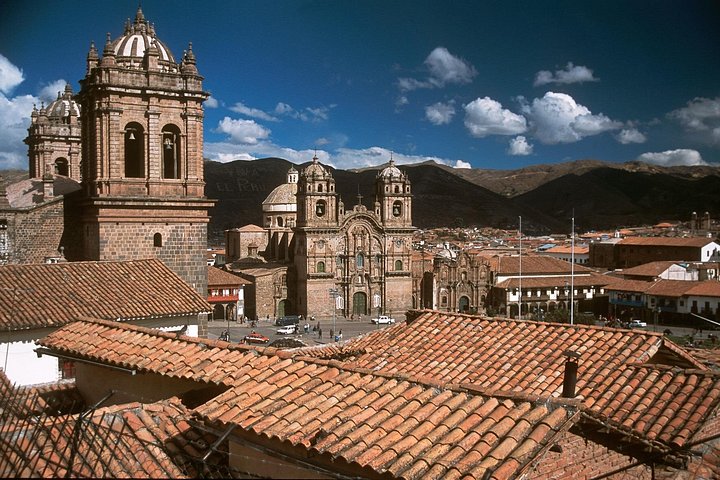
Die Plaza de Armas ist das Herz der Stadt, umrahmt von der Kathedrale und der Jesuitenkirche La Compañía. Inka-Mauerwerk ist im ganzen Zentrum erhalten, am berühmtesten im Qorikancha, dem Sonnentempel, auf dem die Spanier ein Kloster errichteten, und im zwölfeckigen Stein in der Straße Hatun Rumiyoc. San Blas, das Handwerkerviertel, steigt steil an, mit Werkstätten und Cafés.
Top-ranked sights in Cusco: Aguas Calientes, Machu Picchu, Ollantaytambo Ruins.
Sonderangebote in Cusco
Streichpreise kommen vom Anbieter, nie von uns.
 6 % RabattKostenlose Stornierung
 10 % RabattKostenlose Stornierung
 10 % RabattKostenlose Stornierung
![Excursion to Sacred Valley with Maras - Moray || Private Service ||]() 10 % RabattKostenlose Stornierung
![5 Days: Cusco || Sacred Valley || MachuPicchu || Moray & salt Mines ||]() 5 % RabattKostenlose Stornierung
Ähnliche Erlebnisse
 Kostenlose StornierungOhne Anstehen
 15 % RabattKostenlose Stornierung