Rome in a Flash: Luxury Cabriolet Tour with Italian Delights
Die Beschreibungen werden auf Englisch angezeigt.
Die Beschreibungen stammen vom Anbieter und werden automatisch übersetzt.
- 1 Std. 30 Min.
- Kostenlos stornierbar bis 24 Std. vorher
- 3 Sprachen
- Sofortige Bestätigung
Highlights
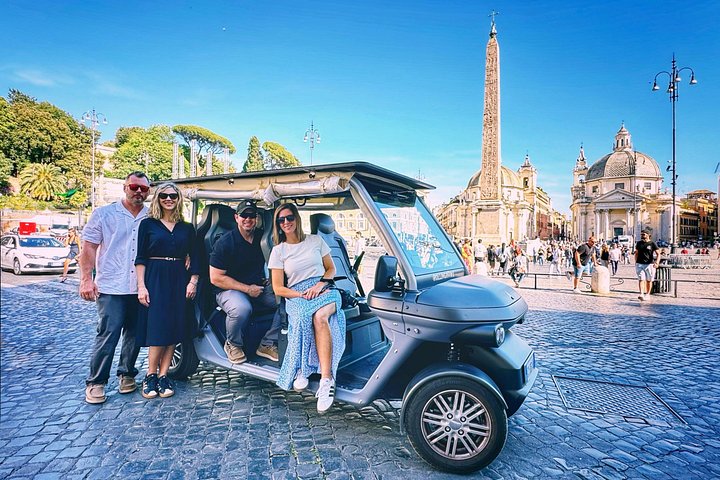
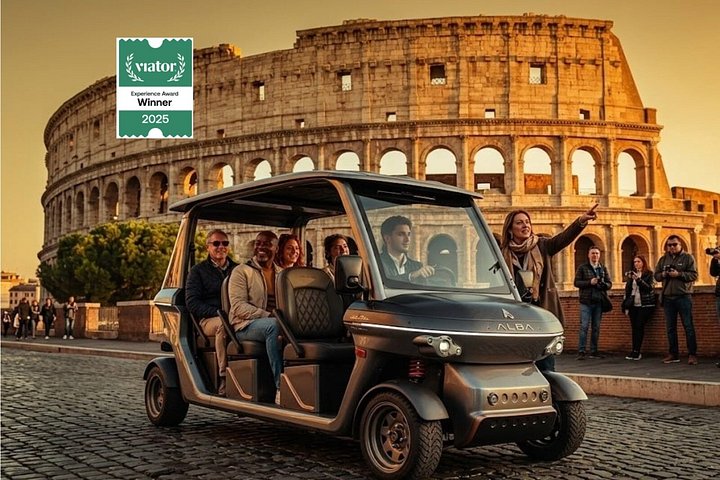
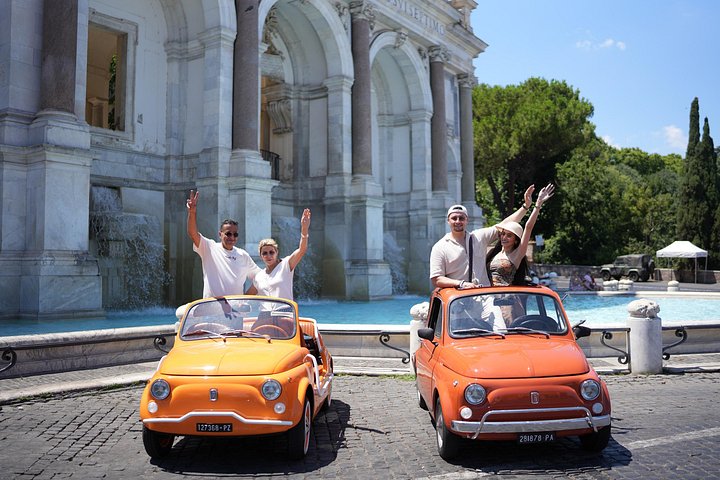
Discover Rome in a flash with an exclusive private tour aboard a luxury convertible! In just 90 minutes, let yourself be conquered by the timeless charm of the Eternal City, walking its most iconic and surprising streets in style. An intense and emotional experience, perfect for those who want to capture the essence of Rome in an instant. Marvel at iconic places and hidden corners, accompanied by a selected soundtrack to enhance every moment of your journey. To make the experience even more authentic, a small tasting of a local delicacy is included, to be enjoyed while experiencing the rhythm and elegance of the most beautiful city in the world.
Leistungen
Inbegriffen
- Private transportation
- Included in the tour is a tasting of authentic Roman food, in places hidden from tourists. A unique experience to discover the real local cuisine!
Nicht inbegriffen
- Gratuities
- Soda/Pop
Ablauf
The Basilica of Santa Maria degli Angeli e dei Martiri is located in Piazza della Repubblica and was built in 1561 to a design by Michelangelo Buonarroti inside the Baths of Diocletian. The church is famous for its grandiose Renaissance architecture, the use of Roman ruins and the sundial designed by Giovanni Domenico Cassini.
The Baths of Diocletian are one of the largest and most majestic thermal buildings in ancient Rome, built between 298 and 306 AD.C. by Emperor Diocletian. They occupied a large area in the Viminale district and could accommodate up to 3,000 people. In addition to the traditional spa rooms, they also included gyms, libraries and gardens. Today, part of the baths houses the National Roman Museum, while another section is used by the Basilica of Santa Maria degli Angeli. The ruins of the baths are still an important testimony of Roman engineering.
The Basilica of Santa Maria Maggiore is one of the four papal basilicas in Rome and one of the most important churches in the city. It is located on Piazza di Santa Maria Maggiore and is dedicated to the Virgin Mary. It was built in the 5th century, during the pontificate of Pope Sixtus III, and is famous for its architectural splendor, combining elements of the Late Antiquity and Baroque. The church is famous for its mosaics, especially those of the fifth century that decorate the apse, and for the majestic Sistine Chapel, which houses the relics of the Madonna della Neve.
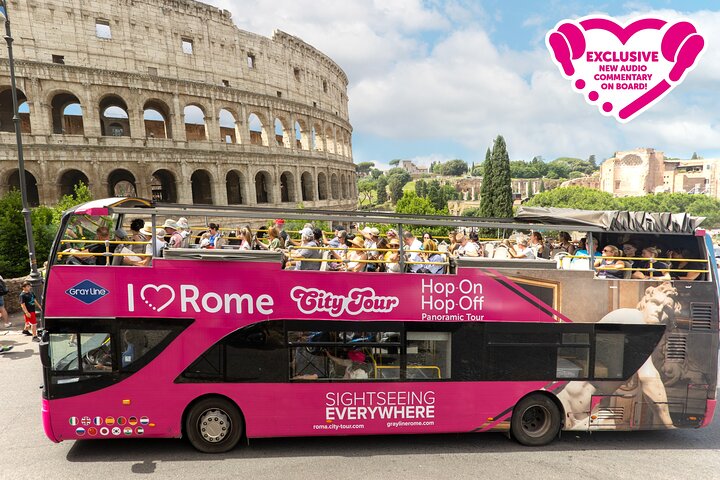
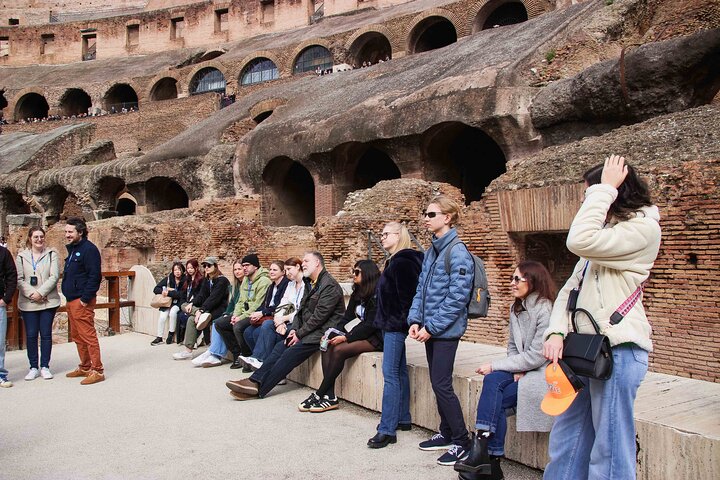
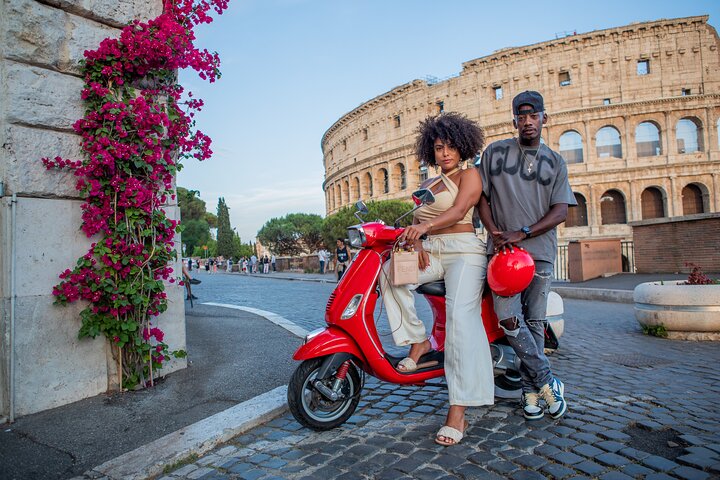
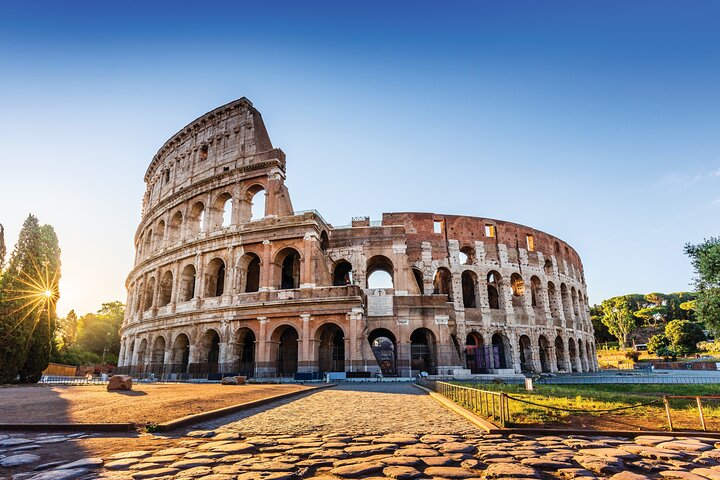
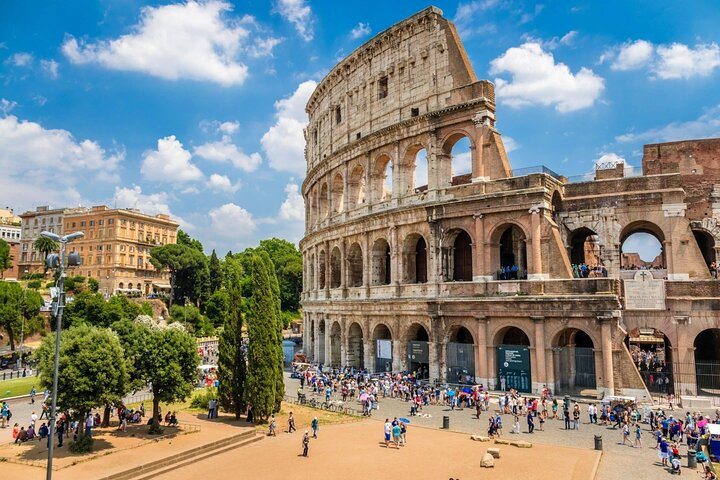
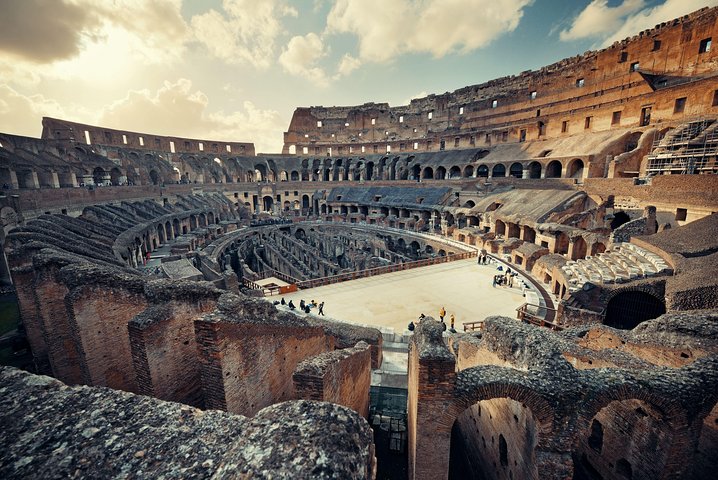
The Colosseum is one of the most iconic monuments in Rome and one of the Seven Wonders of the World. Built between 70 and 80 AD.C. under the emperors Vespasian and Titus, is a Roman amphitheater that could accommodate up to 50,000 spectators. It was used for gladiator fights, public performances and other events. The Colosseum, symbol of the greatness of the Roman Empire, is still an important tourist attraction and an emblem of the history and culture of Rome.
The Palatine Hill is one of the seven hills of Rome and an archaeological site of great historical importance. It is famous for being the original heart of the city, where according to legend, Romulus founded Rome in 753 BC.C. On the Palatine Hill are the remains of ancient imperial residences, such as the Palace of Domitian and the House of Livia, as well as the Circus Maximus, used for chariot races. The hill also offers a panoramic view of the city and is one of the most impressive places to understand the history and development of ancient Rome.
Circus Maximus is an ancient Roman stadium located between the Palatine Hill and the Aventine Hill. Built in the 6th century BC.C., was the largest and most important racecourse in ancient Rome, able to accommodate up to 250,000 spectators. Mainly used for chariot racing, the Circus Maximus also hosted other public events, such as games and competitions. Today, although the structure is largely in ruins, the site remains a symbol of the grandeur of Roman architecture and is used for cultural events and performances.
The Aventine is one of the seven hills of Rome, located south of the Tiber River. It is a quiet and green residential area, famous for its gardens and spectacular views of the city. The Aventine is also rich in history, with significant sites such as the Basilica of Santa Sabina, an example of early Christian architecture, and the Orange Garden, which offers panoramic views of Rome. It is also home to foreign embassies and numerous public parks.
stop in one of the most suggestive gardens of Rome to take unforgettable photos
Testaccio is a district of Rome located south of the historic center, known for its history, culture and lively nightlife. The district takes its name from Monte Testaccio, an artificial hill formed by thousands of Roman amphorae used to transport olive oil. Today, Testaccio is famous for its traditional restaurants, typical markets and trendy clubs. It is also an important area for contemporary culture, with museums such as the Macro Museum and a dynamic music scene.
The Cestia Pyramid is an ancient Roman monument located in the Ostiense district of Rome. It dates back to 12 a.C. and is one of the most famous pyramids outside Egypt. It was built as a tomb for the Roman magistrate Gaius Cestius, who wanted to be buried in a monument that recalled the Egyptian pyramids, a symbol of power and durability. The pyramid has a structure about 36 meters high and is made of brick covered with marble slabs. This monument is unique in Rome, where the Roman architectural context rarely included Egyptian-inspired elements.
Maritozzaro is a famous place in Rome, located in the Testaccio district, specialized in the preparation of maritozzo, a traditional Roman dessert. The maritozzo is a soft sandwich, generally stuffed with whipped cream, which is an icon of Roman pastry, especially during breakfast. Maritozzaro is known for the quality of its Maritozzi, made with fresh and artisan ingredients, and has become a reference point for lovers of Roman gastronomy.
The Baths of Caracalla are one of the largest and most majestic thermal complexes in ancient Rome, located in the city center. Built between 212 and 217 AD.C. from the emperor Caracalla, the baths could accommodate up to 1,600 people and represented a place of recreation, socialization and well-being. In addition to traditional thermal baths, the complex included gyms, libraries, gardens and performance spaces. Today, the ruins of the Baths of Caracalla are one of the most visited tourist attractions in Rome, offering a fascinating testimony to Roman engineering and everyday life at the time.
Stornierung
Kostenlose Stornierung bis 24 Stunden vor Beginn, mit voller Rückerstattung.
Bewertungen
5,0
- 51
- 40
- 30
- 20
- 10
Die Bewertungen stammen aus 1 Rezensionen, die unser Buchungspartner gesammelt hat. Es sind die eigenen Worte der Reisenden, in der Reihenfolge ihres Entstehens — nie umsortiert, damit das Erlebnis besser dasteht.
Gut zu wissen
- Treffpunkt
- The meeting point is located in Piazza della Repubblica, precisely in front of Caffè Piccarozzi.
- Abholung
- Alle treffen sich am Startpunkt; eine Abholung gibt es nicht.
- Ticketart
- Mobile or paper ticket accepted
- Durchgeführt von
- romamos
- Specialized infant seats are available
- Service animals allowed
- Public transportation options are available nearby
- Infants and small children can ride in a pram or stroller
- Suitable for all physical fitness levels
How it compares in Rom
- Its from-price is 36% below the median of the 8352 experiences we list in Rom.
- It is shorter than most of them.
- By number of reviews it ranks 4984 of 8352.
- The operator lists free cancellation on it.
About Rom
Rom schichtet fast dreitausend Jahre Geschichte in einer Stadt der kurzen Wege, vom Kolosseum und Forum bis zu Barockplätzen und Vatikankunst.
Das antike Rom liegt noch immer offen vor einem. Kolosseum, Forum Romanum und Palatin liegen gemeinsam im Herzen der Stadt, das Pantheon steht mit seinem offenen Opaion noch heute, und Reste von Tempeln und Aquädukten tauchen zwischen Wohnhäusern auf. Jenseits des Tibers birgt die Vatikanstadt den Petersdom, die Vatikanischen Museen und Michelangelos Deckenfresko in der Sixtinischen Kapelle.
Top-ranked sights in Rom: Colosseum, Vatican Museums, Sistine Chapel.
Sonderangebote in Rom
Streichpreise kommen vom Anbieter, nie von uns.
 Schnell ausgebucht20 % Rabatt
![Rome Tour on Quality E-bikes, Small Groups and Local Guide!]() 20 % RabattKostenlose Stornierung
Ähnliche Erlebnisse
 Kostenlose StornierungOhne Anstehen
![Vatikanische Museen, Sixtinische Kapelle und Petersdom Tour]() Schnell ausgebuchtKostenlose Stornierung
![Vatikan, Sixtinische Kapelle und Petersdom | Kleine Gruppe]() Schnell ausgebuchtKostenlose Stornierung

Hop-on-Hop-off in Rom
 50 % RabattKostenlose Stornierung