10 % RabattKostenlose Stornierung
Kategorien in Buenos Aires
Die Beschreibungen werden auf Englisch angezeigt.
Discover Buenos Aires' passionate soul and faded grandeur with your self-guided audio tour, allowing you to explore Argentina's intoxicating capital at your own pace. Begin in the elegant Plaza de Mayo where the Casa Rosada's pink facade has witnessed Eva Perón's speeches, military coups, and the Mothers who still march for their disappeared children. Wander through the boulevards of Recoleta where mansions and the famous cemetery housing Evita's tomb. Cross into the colorful streets of La Boca where tango was born in the conventillos of Italian immigrants and the painted zinc houses of Caminito create Buenos Aires' most photographed scene. Explore the cobblestoned streets of San Telmo where Sunday antiques markets, crumbling colonial architecture, and intimate milongas preserve the Buenos Aires of memory and imagination. Discover the transformed Puerto Madero waterfront, then lose yourself in the bookshops of Corrientes Avenue that stay open until midnight.
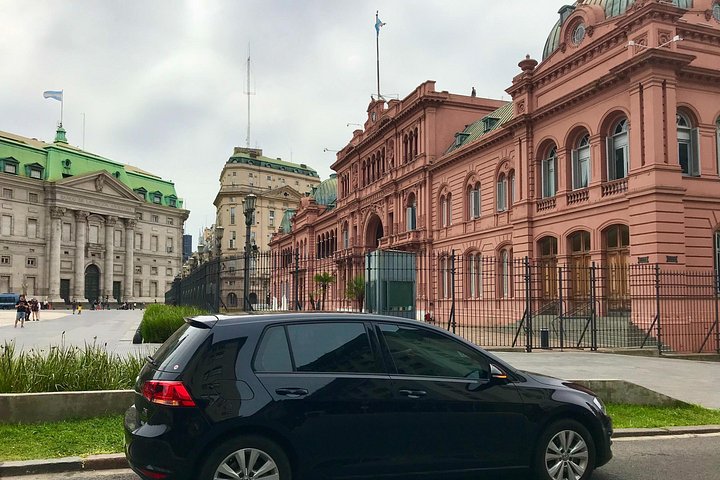
The historic heart of Buenos Aires has witnessed independence declarations, Peronist rallies, military coups, and every significant moment in Argentine history since the city's founding in 1580. The Casa Rosada's distinctive pink facade—where Evita addressed adoring crowds and Maradona celebrated World Cup victories—dominates the eastern edge while the Cabildo colonial town hall and Metropolitan Cathedral complete the ensemble of national monuments. The Madres de Plaza de Mayo still march here each Thursday, their white headscarves commemorating children disappeared during the military dictatorship and reminding visitors that history here remains painful and present.
The presidential palace takes its name from the pink wash originally created by mixing ox blood into whitewash, though the romantic explanation that it combines red (Federalist) and white (Unitarian) to symbolize national unity is almost certainly apocryphal. The building's balcony served as Evita's stage for addressing the descamisados and has since hosted papal appearances, World Cup celebrations, and political declarations that continue to shape Argentina. Free guided tours access the state rooms, the Museo del Bicentenario beneath the plaza, and occasionally the famous balcony itself.
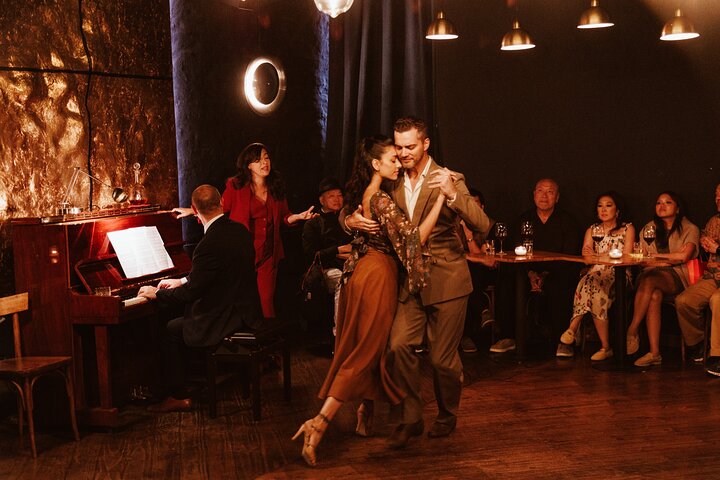
Buenos Aires' bohemian neighborhood preserves the colonial architecture and intimate scale that the wealthier classes abandoned after the 1871 yellow fever epidemic drove them north to Recoleta. The Sunday antiques market fills Plaza Dorrego and surrounding streets with vendors, tango dancers, and crowds browsing silverware, vintage fashion, and the bric-a-brac of Argentine history. The neighborhood's crumbling mansions, converted into apartments, restaurants, and boutique hotels, maintain an atmosphere of faded grandeur while the traditional bars and tango venues preserve the culture that UNESCO recognized by declaring tango Intangible Cultural Heritage.
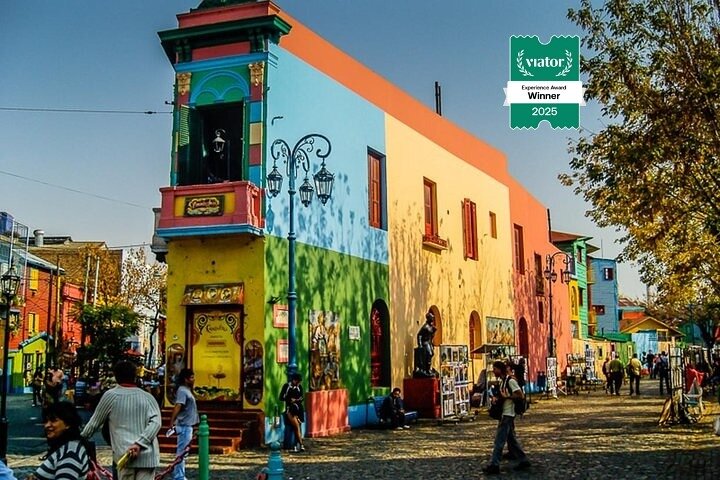
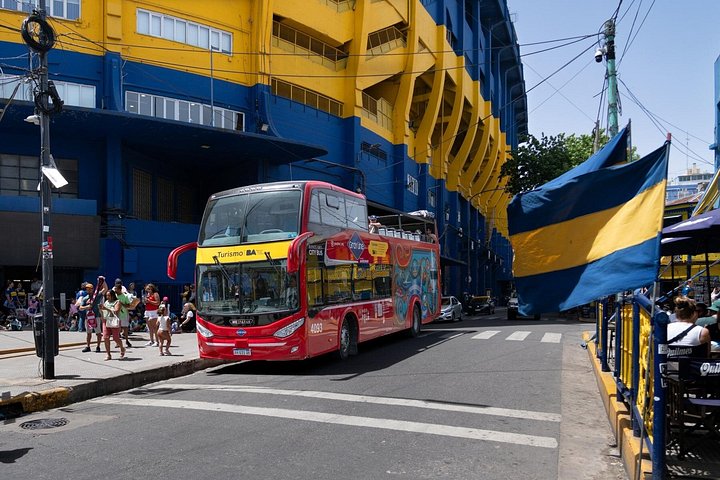
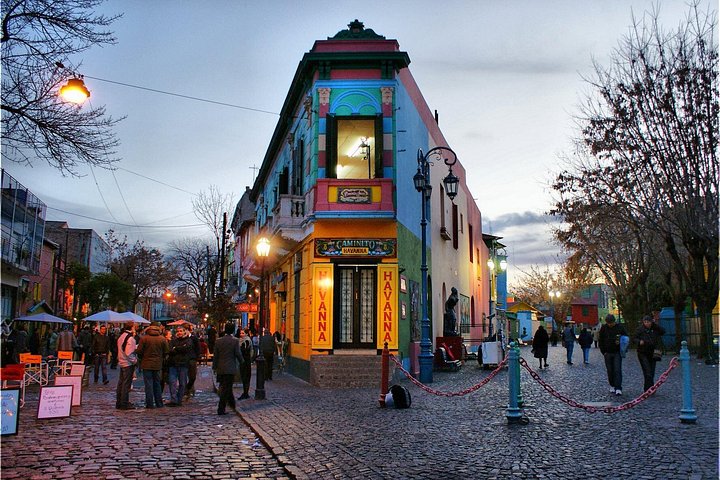
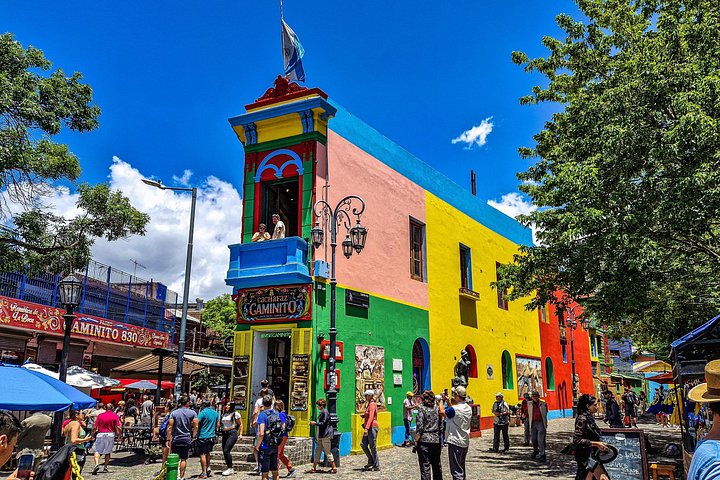
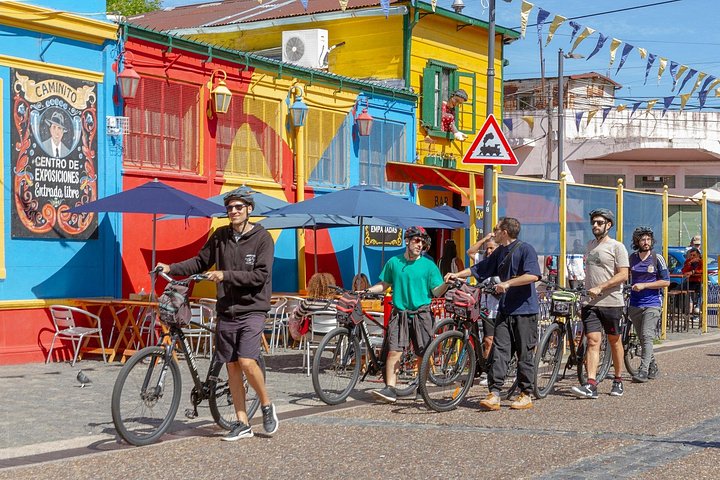
The working-class immigrant neighborhood where tango was born preserves its heritage in the brightly painted zinc houses, street tango performances, and the football passion that surrounds La Bombonera stadium. Caminito's pedestrian street of colored buildings creates the most photographed scene in Buenos Aires, though the surrounding neighborhood's authenticity rewards exploration beyond the tourist-oriented strip. The area's Italian immigrant heritage lives on in the Boca Juniors fan culture, the traditional cantinas, and the artistic tradition that produced Quinquela Martín's vivid paintings of port life now housed in the museum bearing his name.
Buenos Aires' wealthiest neighborhood showcases the belle époque grandeur that once made Argentina among the world's richest nations, its French-style mansions, embassies, and cultural institutions lining wide avenues beneath flowering jacaranda trees. The neighborhood's cafes, boutiques, and the parks where nannies supervise wealthy children reveal the lifestyle that porteños of means maintain despite economic volatility. The Museo Nacional de Bellas Artes, the Design Centre in a converted pump house, and the weekend craft fair in Plaza Francia complete Recoleta's cultural offerings.
Argentina's most famous cemetery houses the remains of presidents, generals, writers, and Eva Perón in elaborate mausoleums that create a necropolis reflecting the nation's wealth, ambition, and complicated history. The Duarte family tomb where Evita rests draws pilgrims and curious visitors who leave flowers and notes for the woman whose memory still divides Argentina. Beyond Evita, the cemetery's architectural variety—from neo-Gothic to Art Nouveau to Art Deco—and the stories of the families entombed here provide a compressed history of Argentine society over two centuries.
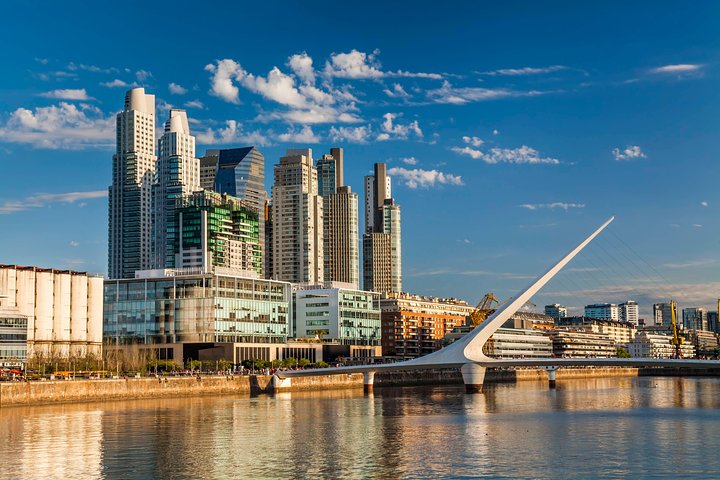
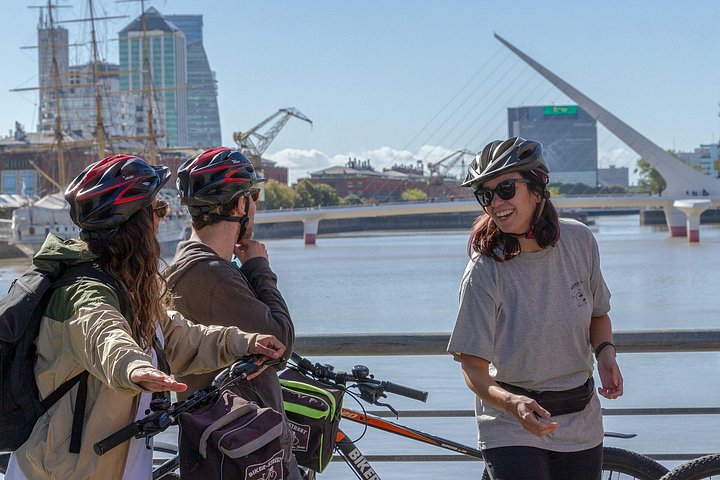
Buenos Aires' newest neighborhood occupies the converted warehouses and new towers that have transformed the former port into a district of restaurants, offices, and the promenade where porteños jog, cycle, and enjoy waterfront dining. The Puente de la Mujer, Santiago Calatrava's asymmetrical cable-stayed bridge, has become the district's symbol while the ecological reserve at the waterfront's edge provides unexpected wilderness within the urban center. Puerto Madero's gleaming development contrasts sharply with the faded grandeur that defines older neighborhoods, representing Buenos Aires' ongoing efforts at renewal.
Buenos Aires' largest neighborhood encompasses the green expanses of the Bosques de Palermo, the boutiques and cafes of Palermo Soho, the restaurants of Palermo Hollywood, and the botanical and zoological gardens that have provided recreation for over a century. The neighborhood's diverse sub-barrios reveal different faces of contemporary Buenos Aires—design studios in Palermo Viejo, craft breweries and food trucks in Palermo Hollywood, traditional polo at the Campo Argentino. The parks' rose garden, planetarium, and weekend crowds of mate-sipping families create the relaxed atmosphere that makes Palermo the neighborhood of choice for young porteños and visitors alike.
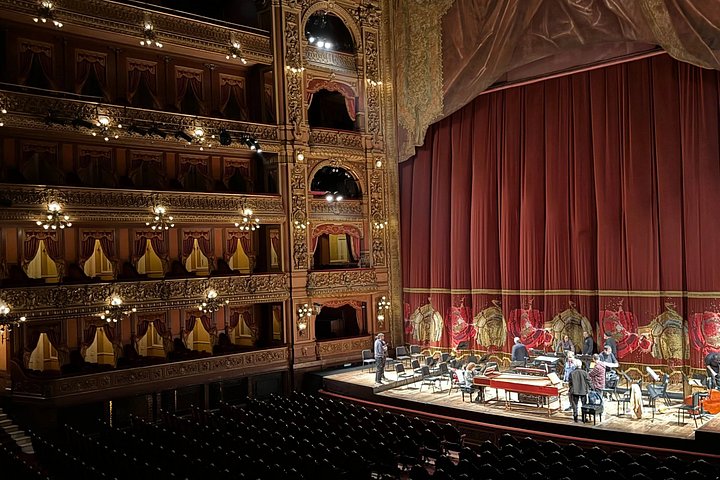
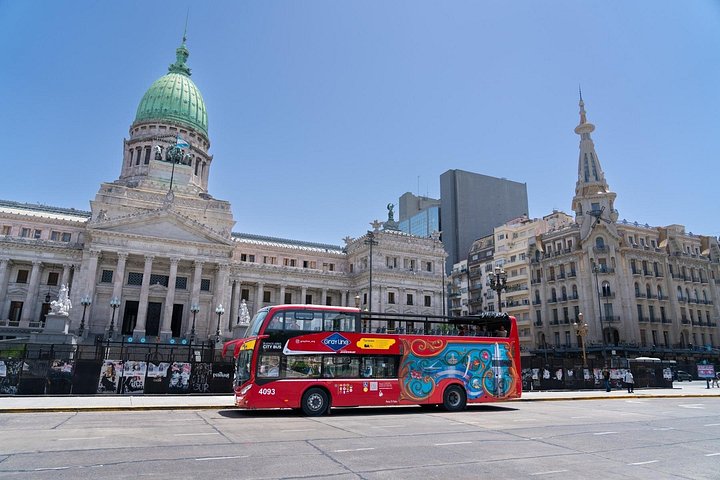
One of the world's great opera houses has hosted the most celebrated voices in classical music since opening in 1908, its magnificent acoustics, red velvet and gold decoration, and seven-tier horseshoe auditorium ranking alongside Milan's La Scala and Vienna's Staatsoper. Guided tours access the main auditorium, the presidential box, and the workshops where costumes and sets are created, while evening performances provide the full experience of Argentine high culture. The building's location on Avenida 9 de Julio, the world's widest avenue, places it at the symbolic heart of a city whose cultural ambitions have always exceeded its resources.
The grand boulevard connecting Plaza de Mayo to the National Congress building preserves the European grandeur that defined Buenos Aires' golden age, its belle époque buildings, Art Nouveau facades, and the historic Café Tortoni creating the atmosphere of turn-of-the-century prosperity. Café Tortoni, serving porteños since 1858, maintains the tradition of literary and artistic gathering that once brought Jorge Luis Borges and Carlos Gardel to its marble tables. The avenue's Spanish and Italian immigration heritage lives on in the theaters, bookshops, and the traditional confiterías that provide welcome refuge from the chaotic streets.
Kostenlose Stornierung bis 24 Stunden vor Beginn, mit voller Rückerstattung.
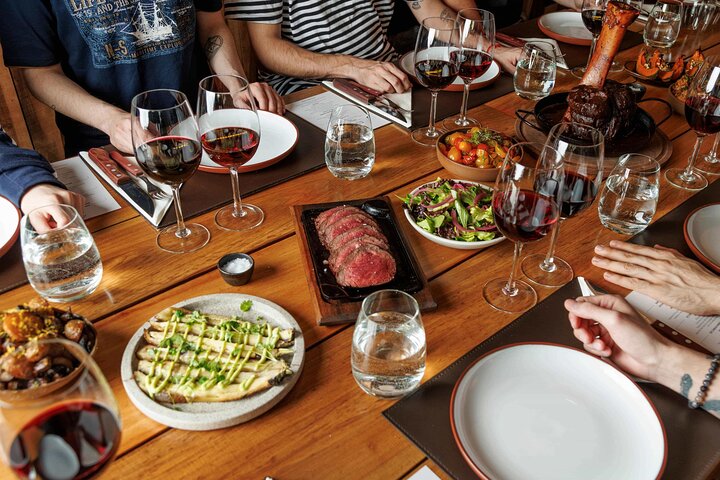
Buenos Aires, Argentiniens elegante, leidenschaftliche Hauptstadt: große Boulevards, Tangosäle, grüne Barrios und Steakabende bis spät.
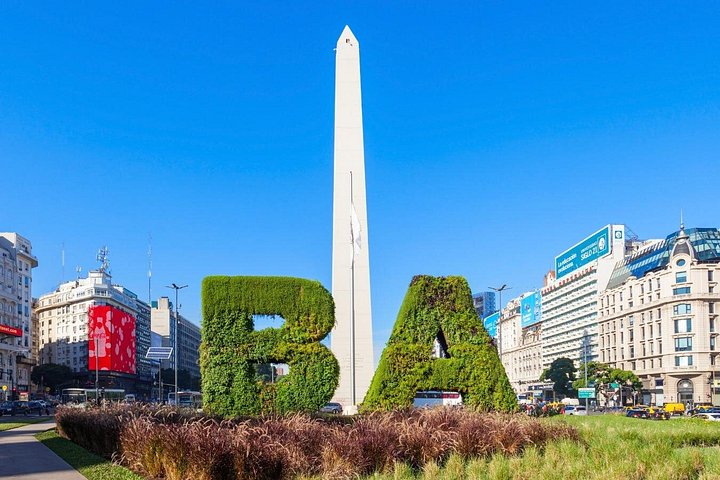
Die Plaza de Mayo, gerahmt von der rosafarbenen Casa Rosada und der Metropolitankathedrale, ist das historische Herz der Stadt, und die breite Avenida 9 de Julio führt zum Obelisken. Das Teatro Colón, eines der großen Opernhäuser, und die Grand Cafés der Avenida de Mayo erinnern an die Blütezeit der Stadt.
Top-ranked sights in Buenos Aires: Plaza de Mayo, Palermo, Puerto Madero.
Streichpreise kommen vom Anbieter, nie von uns.

Ticket Hall zum Home-Bildschirm hinzufügen
Tickets und Stadtführer, nur einen Fingertipp entfernt, auch offline.
Ticket Hall