5% rabatGratis afbestilling
Zagreb: Plitvice Lakes & Rastoke Guided Day Trip with Ticket
fra90 US$86 US$
Beskrivelserne vises på engelsk.
Varaždin is particularly remarkable for its exceptional monumental and artistic heritage with the preserved and magnificent baroque architectural ensemble of the historic center. Varazdin shows its unique urban identity not only by the splendid Baroque architecture of the historic center, but also by the warmth of its harmonious squares and romantic streets. The historic core is the stage of many events throughout the year. Varaždin is not enough for one day to see, experience and feel, but for love at first sight it will be enough. Enjoy the artistic and architectural messages of the past The preserved baroque urban ensemble is rich in monumental and artistic heritage, walking through the streets of the city will reveal numerous palaces, villas, the oldest town hall in Europe, introduce you to roommates who once marked the activity of a particular trade or were a trademark of an individual craftsman, tell legends.
DescripTrakošćan was built at the end of the 13th century in the defense system of northwestern Croatia as a small observation fort to monitor the road from Ptuj to the Bednjan valley. According to legend, Trakošćan was named after the Thracian fortress (arx Thacorum), which was supposed to have existed at the time of antiquity. Another preserved legend is that it was named after the Knights of Drachenstein who ruled those lands in the early Middle Ages. The toponym Trakošćan was first mentioned in written documents in 1334. The masters of the fortress are not known in the first centuries, we only know that from the end of the 14th century the counts of Celje were the owners who at the same time ruled the entire Zagorje county. Soon, this family became extinct and Trakoscan shared the fate of their other towns and possessions, which were being crushed, and changing various masters. In this division, Trakošćan, as a unique property, belongs first to the military commander Jan Vitovac, then Ivanis Corvinus, who donates it to his brother Ivan Gyulay. This family it retained the castle for three generations and became extinct in 1566 and was taken over by the state. For the services rendered, King Maximilian granted the estate to Juraj Draskovic (1525-1587), first personally and then for hereditary enjoyment. Thus finally in 1584 Trakošćan was acquired by the Draskovic family. During the flourishing period of the construction of castles in Hrvatsko Zagorje, in the second half of the 18th century, the Thracians abandoned. Abandoned, it began to decline rapidly, and it was not until the mid-19th century that the family became interested in their titular city again, in the spirit of a new age, and a romantic return to nature and family traditions. In this spirit, Marshal Juraj V. Draskovic transforms the city into a residential castle, and transforms the park environment into a romantic park. The following generations were occasionally resided in Trakošćan until 1944, when they moved to Austria, shortly afterwards the castle was nationalized. In 1954 a permanent museum was established. Today the castle is owned by the Republic of Croatia.tion
Varaždin is the city of baroque, young people, music, flowers and bicycles. „Little Vienna“ with rich natural legacy interwoven in parks, a must see destination, located in the North of Croatia on the southern bank of the River Drava. With 46.946 inhabitants and the average annual temperature of 10°C, the city of Varaždin is one of the most attractive destinations to live in or to visit in Croatia. It is the tourist, cultural, economical, educational and sporting centre of North-western Croatia. The nine-times winner of the award presented by the National Tourism board, the nomination for the Golden Flower of Europe and holder of 11 „Green Flowers“; the national award, all for the most ordered, appointed and maintained destination, speak in favour of Varaždin being the city of pleasant emotions. The city of angels, colourful and magical events; the most famous ones Špancirfest - the Street Festival of good emotions in summer and the classical music festival -Varaždin Baroque Evenings which celebrates music, baroque architectural inheritance and authentic instruments, in autumn.
Gratis afbestilling indtil 24 timer før oplevelsen starter, med fuld refusion.
3,0
Bedømmelserne kommer fra 2 anmeldelser, som vores bookingpartner har indsamlet. Det er de rejsendes egne ord, i den rækkefølge de blev skrevet — aldrig omrokeret for at pynte på oplevelsen.
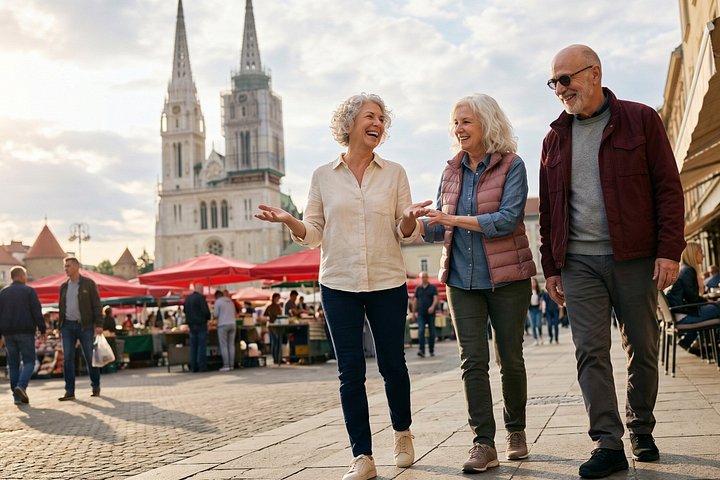
Zagreb is Croatia's capital, a city of two historic towns, cathedral spires, café-lined streets and green parks beneath Mount Medvednica.
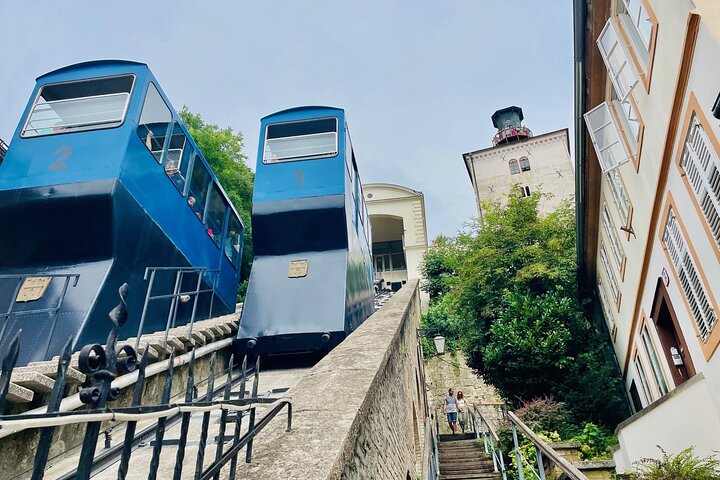
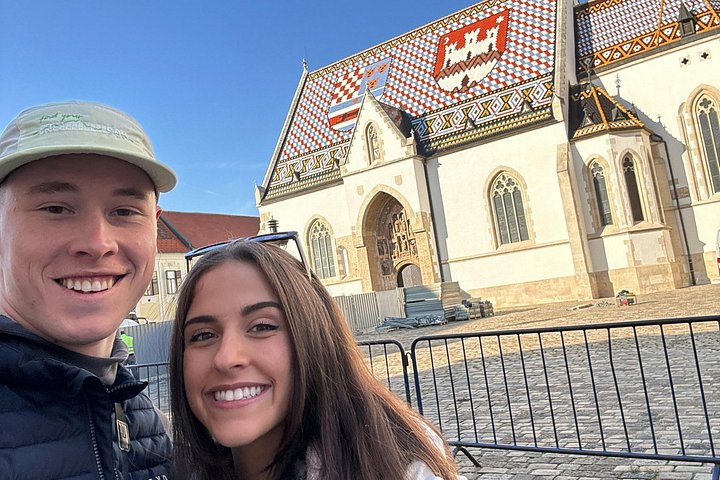
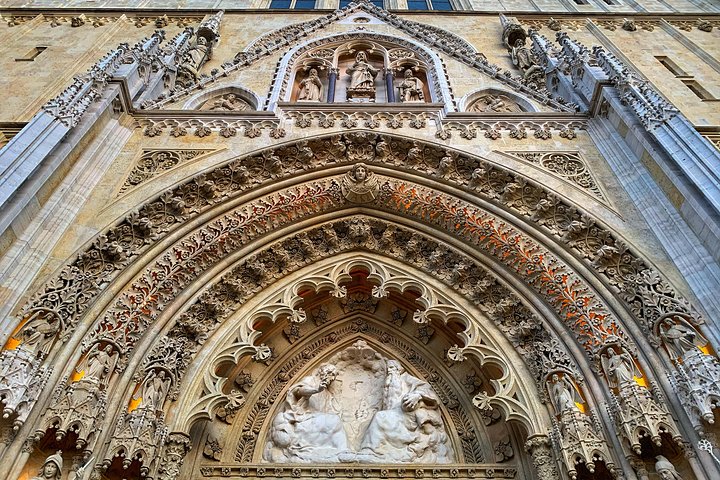
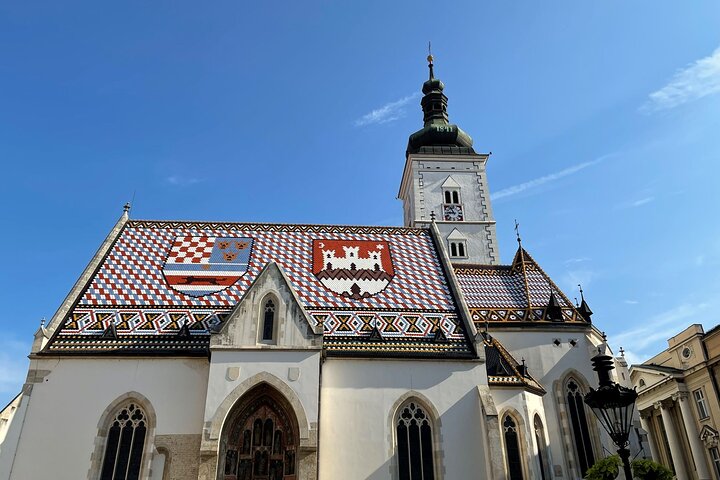
Zagreb has two historic halves. The Upper Town, Gornji Grad, sits on a hill with cobbled lanes, the tiled-roof church of St Mark and the Lotrščak Tower, from which a cannon is fired at noon each day. Below, the Lower Town has Austro-Hungarian squares, theatres and museums around Ban Jelačić Square, with the twin neo-Gothic spires of the cathedral just east and a short funicular linking the two parts.
Top-ranked sights in Zagreb: Ban Jelačić Square (Trg Bana Jelačića), Gric Tunnel (Tunel Gric), Dolac Market.
Før/nu-priser kommer fra udbyderen, aldrig fra os.
fra90 US$86 US$
fra86 US$69 US$

fra97 US$78 US$

fra137 US$113 US$
fra23 US$21 US$
fra489 US$440 US$
Føj Ticket Hall til din hjemmeskærm
Billetter og byguider, ét tryk væk, også offline.
Ticket Hall