15% rabatGratis afbestilling
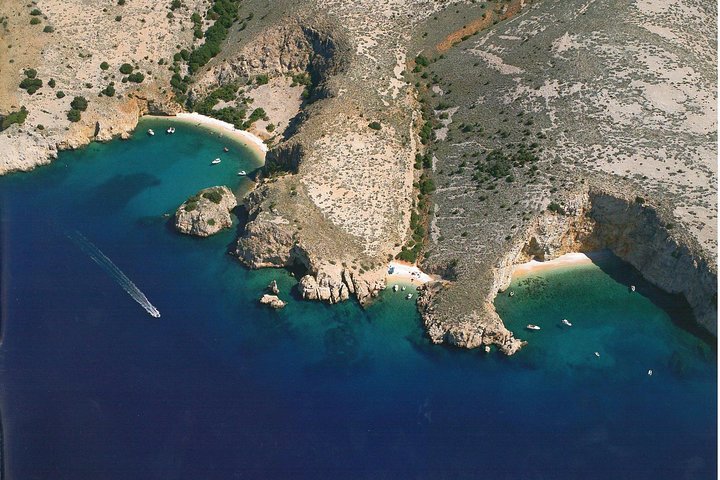
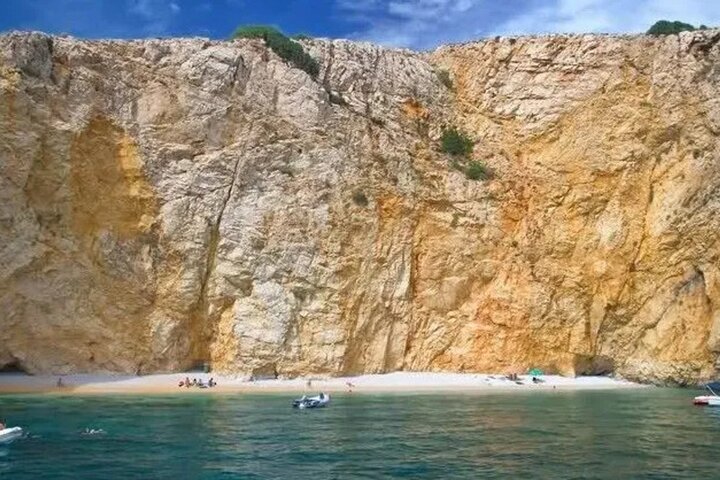
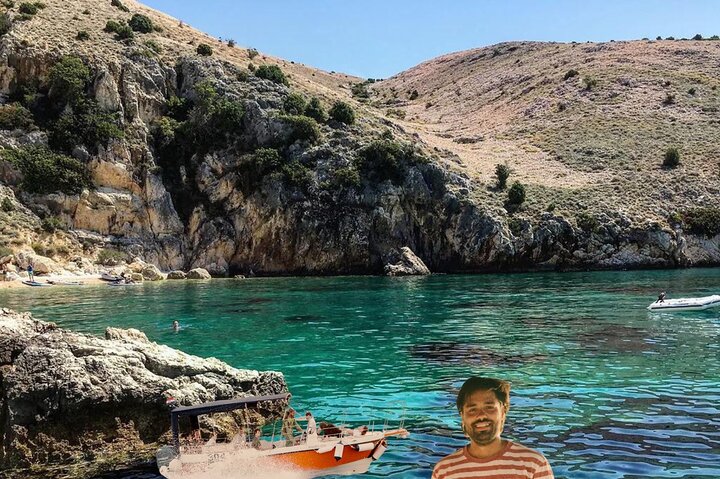
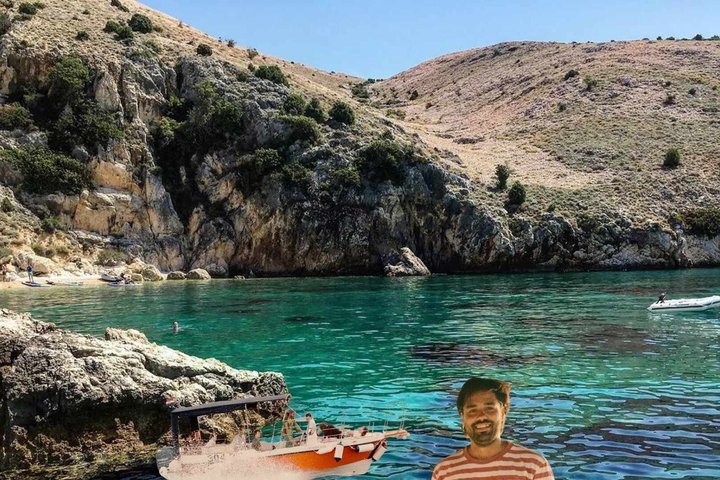
Private Plavnik Island Half-Day boat trip with capt. Bobo
fra343 US$292 US$
Kategorier i Krk Island
Beskrivelserne vises på engelsk.
The town of Krk is the oldest and the largest administrative area on the island of Krk. The history of the city dates back to prehistoric times, while some buildings date to the preancient and ancient times. The layout of the medieval streets reveals something new at every turn. Monuments, towers, viewpoints, stacked seaside cottages with their balconies and taverns. In the town of Krk you will find a cathedral, Roman thermal spa, and many other interesting attractions.
Quadrangular tower, part of the great city gate. The first mention of the tower and the gate dates back to 1350.
The main square of the town of Krk is represented by the Renaissance-decorated Trg Vela placa. It was mentioned for the first time in 1263.
The town walls of the town of Krk date back to the 1st century BC, and their remains can still be seen today in the foundations of the Volsonis cafe. Over the following centuries, city walls and towers were built, and the last addition dates back to the 15th century. They are still well preserved today.
The six-sided corner tower of the medieval western and southern part of the walls. It was built by Prince Nikola Frankopan in 1407. This is indicated by the inscription and family coat of arms carved on a Roman stele from that century with a depiction of the spouses.
The name Krušija comes from the Italian word "corso", which means flow. In this place there is a well that served as a source of drinking water and a laundry place where women from Krk came to wash their goods. In the past, Krušija also served as a gathering place.
Church of St. Quirin, dedicated to the patron of the town of Krk, is a beautiful example of Romanesque sacral architecture in the city of Krk. Today, it is part of the whole cathedral complex. The first information about St. Quirin dates back to 1335, when the people of Krk gave the rent of the island of Plavnik "for the repair of the church of St. Quirin in Krk". It is assumed that it was built in the 12th century. The specialty of the church of St. Quirin is in its two-story and geographical orientation, since its apse is very atypically directed towards the south, probably due to the narrow space on which it was built. The lower church has the title of St. Margarita, martyr from Antioch, while the upper one is dedicated to St. Quirinus, the patron of the town of Krk.
The Krk Cathedral is dedicated to the Assumption of the Blessed Virgin Mary. It was built on a larger area at the bottom of the hill on which the town of Krk is located. The first known dated mention of this cathedral can be found in Bishop Ivan's Donation from 1186, and it is possible that this cathedral existed in the early Christian era.
Kamplin, which name comes from the classic Latin campulus or popular Latin campellus, meaning “field”, or a plain training ground or racetrack, is a unique area in the town that has been used for different purposes throughout its history.
Gratis afbestilling indtil 24 timer før oplevelsen starter, med fuld refusion.
4,0
Bedømmelserne kommer fra 1 anmeldelser, som vores bookingpartner har indsamlet. Det er de rejsendes egne ord, i den rækkefølge de blev skrevet — aldrig omrokeret for at pynte på oplevelsen.
Krk is one of the Adriatic's two largest islands, joined to the Croatian mainland by a bridge, with walled old towns, pebble coves and vineyards.
Krk lies in the Kvarner Gulf off the Croatian coast, near Rijeka, and an arched bridge links it to the mainland. Krk Town, the island's capital, has Roman and medieval walls, a Romanesque cathedral and the Frankopan Castle. Baška, in the south, has a long pebble beach below bare limestone mountains, and a church nearby once held the Baška Tablet, a twelfth-century stone slab inscribed in the Glagolitic script.
Før/nu-priser kommer fra udbyderen, aldrig fra os.
fra343 US$292 US$
fra343 US$292 US$
Føj Ticket Hall til din hjemmeskærm
Billetter og byguider, ét tryk væk, også offline.
Ticket Hall