خصم 15%إلغاء مجاني
Private City Tour in Cusco with South American Camelid Museum
ابتداءً من52 US$44 US$
الأوصاف معروضة بالإنجليزية.
Discover the magic of Cusco on a 4-hour private sightseeing tour of the capital of the Inca Empire. Explore the city’s main attractions with your private guide, such as the Convent of Santo Domingo. Then continue to nearby archaeological sites including Sacsayhuaman and others that are the best example of ancient Incan architecture and religion.
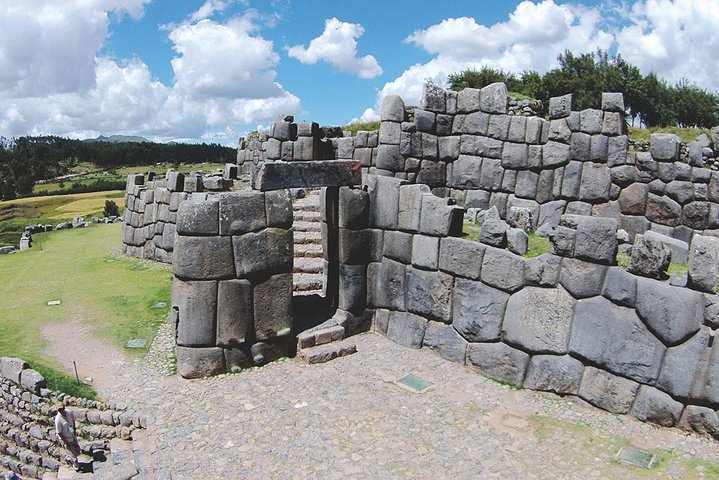
Saqsaywaman, which can be spelled many different ways, is a citadel on the northern outskirts of the city of Cusco, Peru, the historic capital of the Inca Empire. Sections were first built about 1100 CE by the Killke culture which had occupied the area since 900 CE
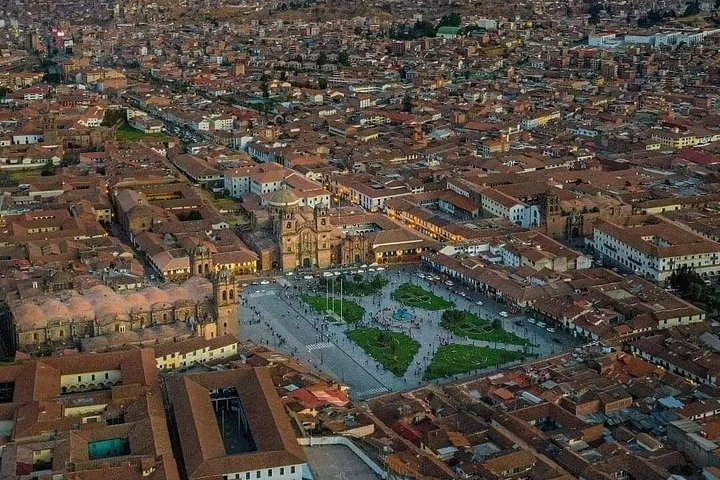
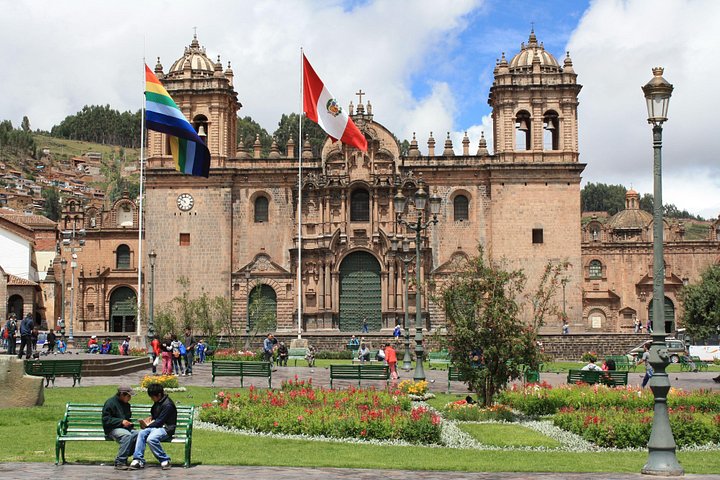
You will fall in love with the Plaza de Armas of Cusco. Its colonial architecture buildings serve as an example of the impact the Spanish conquerors made in the city. However, this place has existed long before the Conquest. This was the chosen starting point to begin developing the Imperial City, which became the capital of the Inca Empire.
The Cathedral Basilica of the Assumption of the Virgin, also known as Cusco Cathedral, is the mother church of the Roman Catholic Archdiocese of Cusco. The cathedral is located on the Plaza de Armas
Originally named Intikancha or Intiwasi, it was dedicated to Inti, and is located at the former Inca capital of Cusco. Mostly of the temple was destroyed after the 16th-century war with the Spanish conquistadors, as settlers also took it apart to build their own churches and residences. Much of its stonework was used as the foundation for the seventeenth-century Santo Domingo Convent. It was built after the 1650 earthquake destroyed the first Dominican convent.
This construction is located 6km from Cusco. "Puca" in Quechua means "Red" and "Pucara" means "Fortress-Watchtower. Located at a strategic point along the road to the Antisuyo (the jungle part of the Inca empire), it also served as a checkpoint on the Inca road and was a military and administrative center.
In Quechua, Qenqo means labyrinth or zig-zag and the temple is named for the crooked canal cut out of its rock. Although it is clear the canal carried some sort of liquid, researchers have been forced to guess at its purpose, and at what liquid it transported. Hypotheses range from carrying holy water, chicha (corn beer), or blood. All three indicate that Qenqo was used for death rituals, possibly to embalm bodies or detect whether a person lived a good life by the course the liquid followed.
Tambomachay is an archaeological site associated with the Inca Empire, located near Cusco, Peru. An alternate Spanish name is El Baño del Inca. It consists of a series of aqueducts, canals and waterfalls that run through the terraced rocks
إلغاء مجاني حتى 24 ساعة قبل بدء التجربة، مع استرداد كامل.
4.9
التقييمات مبنية على 90 مراجعة جمعها شريك الحجز لدينا. وهي كلمات المسافرين أنفسهم بالترتيب الذي كُتبت به، ولا يُعاد ترتيبها لتجميل التجربة.
Cusco, the old Inca capital high in the Peruvian Andes, blends massive stone walls with colonial churches and is the gateway to Machu Picchu.
The Plaza de Armas is the heart of the city, framed by the cathedral and the Jesuit church of La Compañía. Inca stonework survives throughout the centre, most famously at the Qorikancha, the sun temple on which the Spanish built a monastery, and in the twelve-angled stone on Hatun Rumiyoc street. San Blas, the artisans' quarter, climbs steeply with workshops and cafés.
Top-ranked sights in Cusco: Aguas Calientes, Machu Picchu, Ollantaytambo Ruins.
السعر قبل الخصم وبعده من المشغّل، لا منّا.
ابتداءً من52 US$44 US$
ابتداءً من13 US$10 US$
ابتداءً من499 US$474 US$
ابتداءً من1,150 US$1,035 US$
ابتداءً من490 US$441 US$
ابتداءً من835 US$
ابتداءً من820 US$
ابتداءً من25 US$23 US$
ابتداءً من843 US$
أضف Ticket Hall إلى الشاشة الرئيسية
تذاكر وأدلة مدن على بُعد نقرة واحدة، حتى دون اتصال.
Ticket Hall