Visit Yala National Park in Hambantota
설명은 영어로 표시됩니다.
- 5시간
- 시작 24시간 전까지 무료 취소
- 프라이빗 투어
- 모바일 티켓
하이라이트
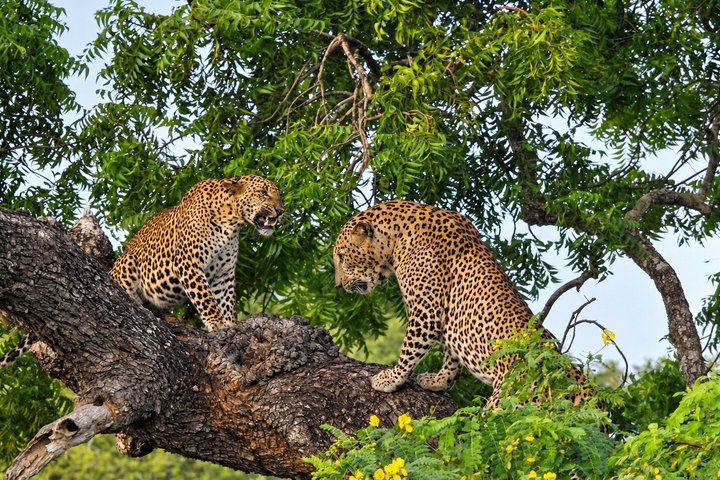
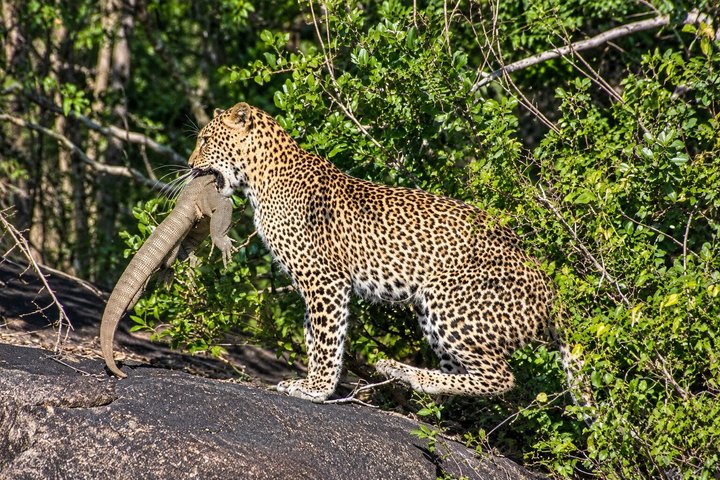
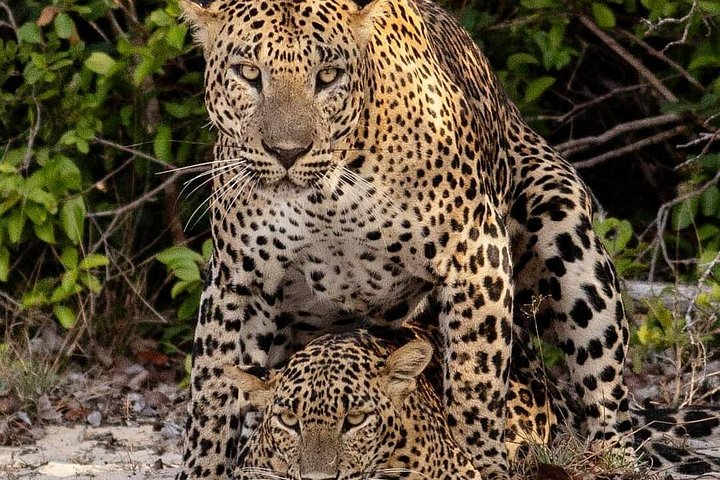
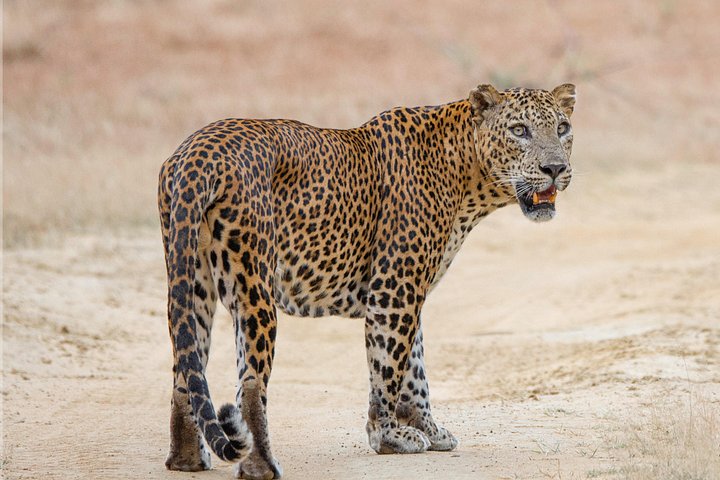
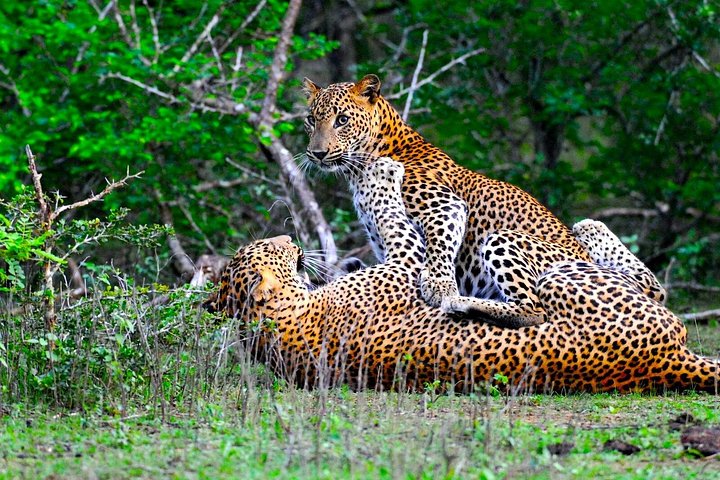
An unforgettable journey awaits, filled with breathtaking moments and vibrant encounters. Leopards, sloth bears, elephants, and a dazzling variety of mammals, reptiles, and birds roam freely through the forest, offering rare glimpses into the richness of the wild. Our jeep drivers are not only highly experienced and well-trained, but also gentle and respectful of nature, ensuring your safari is carried out with the utmost care. With slow, steady driving, you’ll have the perfect pace to soak in the magnificent beauty of the surrounding landscape.
포함 사항
포함되는 것
- Safari Jeep from / to Hotel you are staying, and for inside the Park
- Professional Jeep Driver Guide service
포함되지 않는 것
- Any kind of personal expenses
- Jeep Driver Tips
- Optional Visits & Activities
- Shore excursions / Transport cost from Hambantota Port
- Yala National Park
취소 규정
체험 시작 24시간 전까지 무료로 취소하고 전액 환불받을 수 있습니다.
후기
5.0
- 53
- 40
- 30
- 20
- 10
평점은 저희 예약 파트너가 모은 후기 3개를 바탕으로 합니다. 여행자가 직접 쓴 글을 쓰인 순서 그대로 보여주며, 체험을 좋아 보이게 하려고 순서를 바꾸지 않습니다.
출발 전 알아둘 점
- 픽업
- 모든 인원 픽업이 포함됩니다.
- 티켓 종류
- Mobile or paper ticket accepted
- 운영사
- KONDAGAMAGE ERANGA SUNETH JAYASINGHE
- Infants are required to sit on an adult’s lap
- Not recommended for travelers with spinal injuries
- Not recommended for pregnant travelers
- Not recommended for travelers with poor cardiovascular health
- Travelers should have at least a moderate level of physical fitness
How it compares in Yala National Park
- Its from-price is 114% above the median of the 236 experiences we list in Yala National Park.
- It is shorter than most of them.
- By number of reviews it ranks 107 of 236.
- The operator lists free cancellation on it.
About Yala National Park
Yala is Sri Lanka's most visited wildlife park, a dry-zone reserve of scrub, lagoons and rock on the south-east coast, famous for leopards and elephants.
Yala National Park covers a large area of the south-east coast of Sri Lanka, a mix of dry scrub forest, grassland, lagoons, rocky outcrops and sand dunes beside the Indian Ocean. It was set aside as a wildlife sanctuary in 1900 and became a national park in 1938, and it is divided into blocks, of which Block 1 is the most visited. Tissamaharama, a town on a large lake, is the usual base.