Visit Yala National Park in Hambantota
説明は英語で表示されます。
- 5時間
- 24時間前まで無料キャンセル
- 貸切ツアー
- モバイルチケット
見どころ
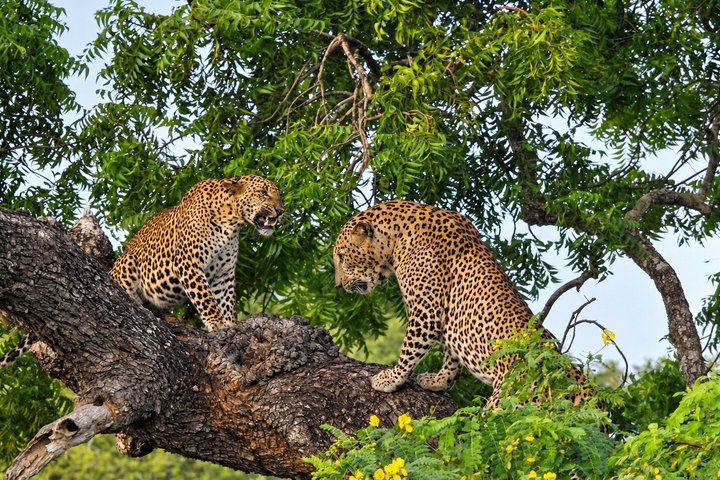
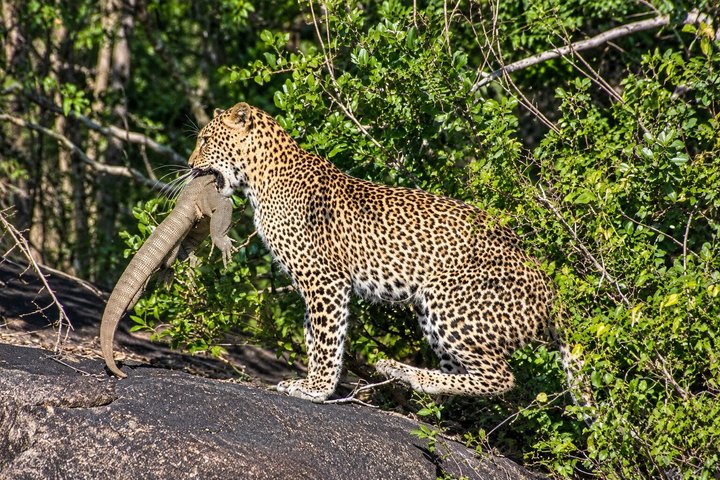
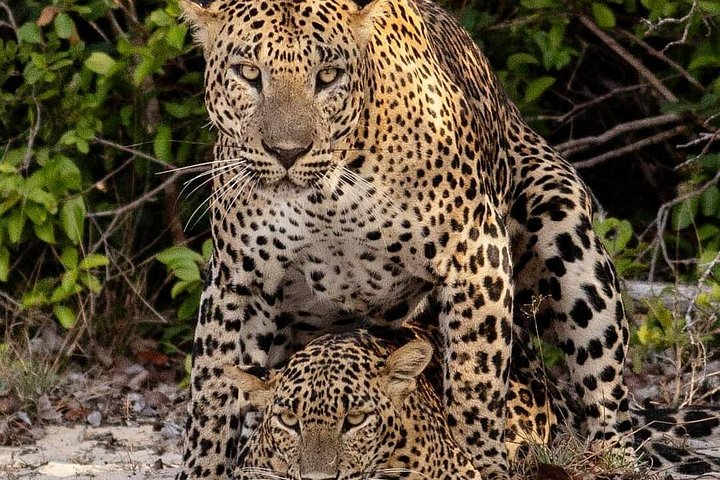
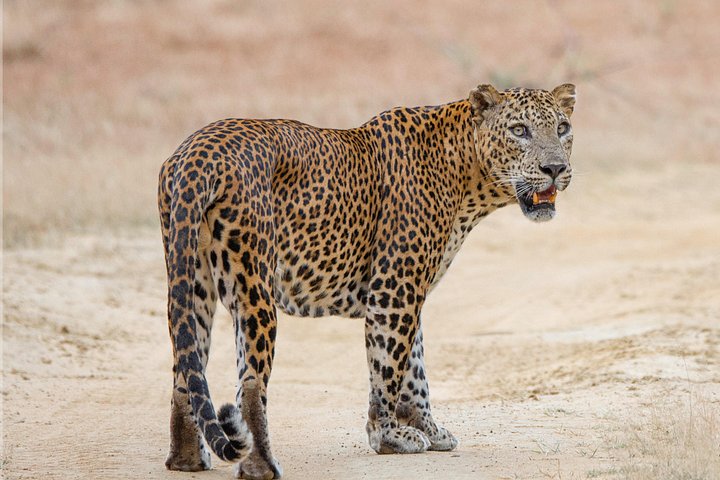
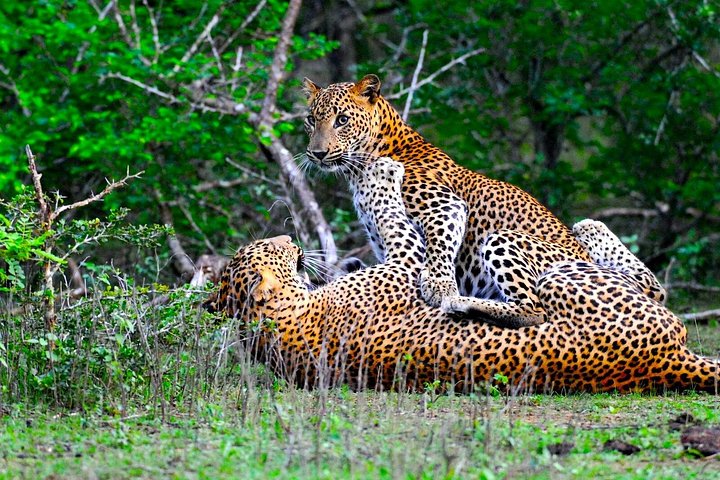
An unforgettable journey awaits, filled with breathtaking moments and vibrant encounters. Leopards, sloth bears, elephants, and a dazzling variety of mammals, reptiles, and birds roam freely through the forest, offering rare glimpses into the richness of the wild. Our jeep drivers are not only highly experienced and well-trained, but also gentle and respectful of nature, ensuring your safari is carried out with the utmost care. With slow, steady driving, you’ll have the perfect pace to soak in the magnificent beauty of the surrounding landscape.
含まれるもの
料金に含まれるもの
- Safari Jeep from / to Hotel you are staying, and for inside the Park
- Professional Jeep Driver Guide service
含まれないもの
- Any kind of personal expenses
- Jeep Driver Tips
- Optional Visits & Activities
- Shore excursions / Transport cost from Hambantota Port
- Yala National Park
キャンセル
開始24時間前まで無料でキャンセルでき、全額返金されます。
口コミ
5.0
- 53
- 40
- 30
- 20
- 10
評価は予約パートナーが集めた3件の口コミによるものです。旅行者自身の言葉を書かれた順に掲載しており、体験をよく見せるために並べ替えることはありません。
参加前に知っておくこと
- 送迎
- 送迎は全員に含まれます。
- チケットの種類
- Mobile or paper ticket accepted
- 催行会社
- KONDAGAMAGE ERANGA SUNETH JAYASINGHE
- Infants are required to sit on an adult’s lap
- Not recommended for travelers with spinal injuries
- Not recommended for pregnant travelers
- Not recommended for travelers with poor cardiovascular health
- Travelers should have at least a moderate level of physical fitness
How it compares in Yala National Park
- Its from-price is 114% above the median of the 236 experiences we list in Yala National Park.
- It is shorter than most of them.
- By number of reviews it ranks 107 of 236.
- The operator lists free cancellation on it.
About Yala National Park
Yala is Sri Lanka's most visited wildlife park, a dry-zone reserve of scrub, lagoons and rock on the south-east coast, famous for leopards and elephants.
Yala National Park covers a large area of the south-east coast of Sri Lanka, a mix of dry scrub forest, grassland, lagoons, rocky outcrops and sand dunes beside the Indian Ocean. It was set aside as a wildlife sanctuary in 1900 and became a national park in 1938, and it is divided into blocks, of which Block 1 is the most visited. Tissamaharama, a town on a large lake, is the usual base.