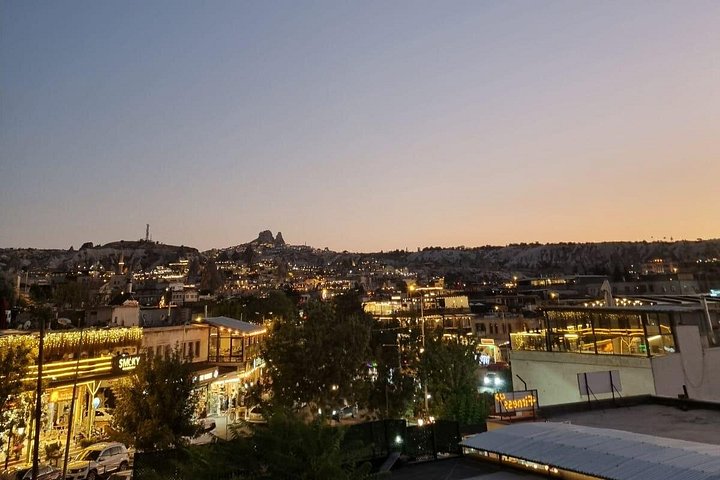
Cappadocia Surroundings
説明は英語で表示されます。
- 5時間
- 24時間前まで無料キャンセル
- 10言語
- 即時確定
見どころ
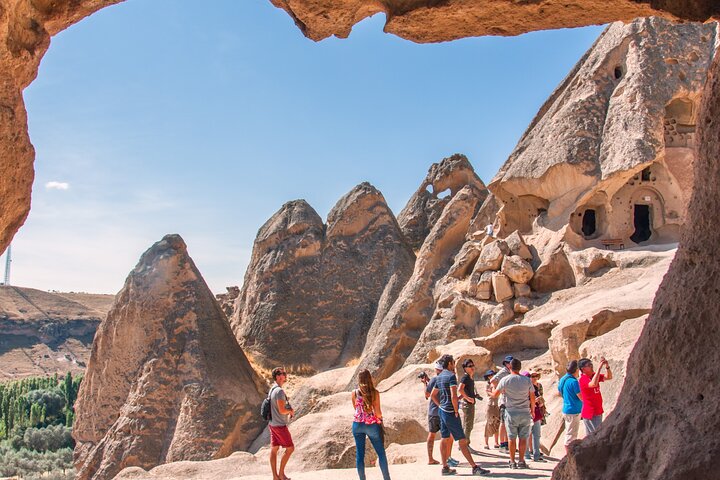
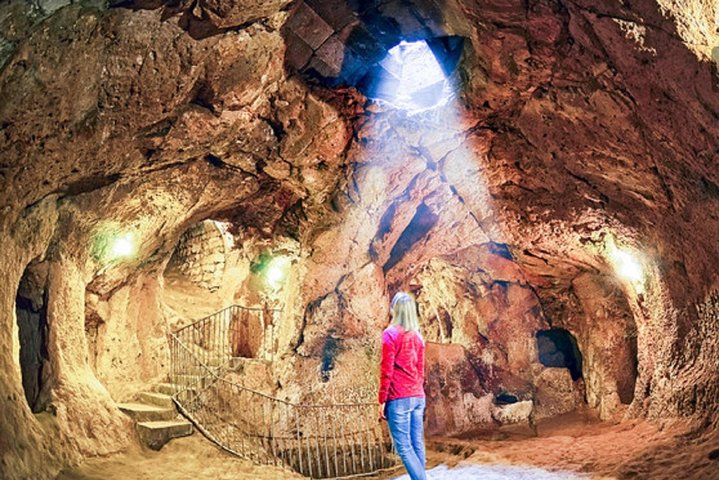
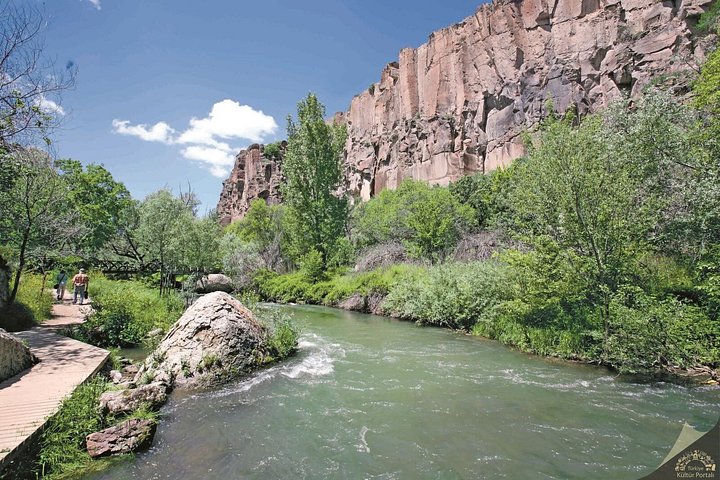
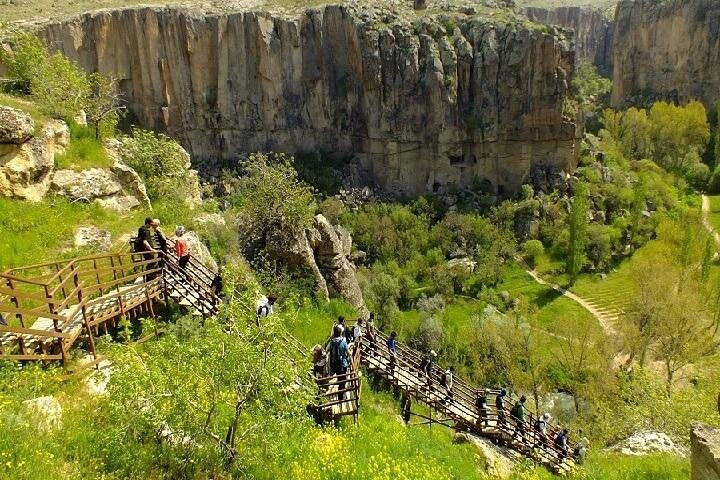
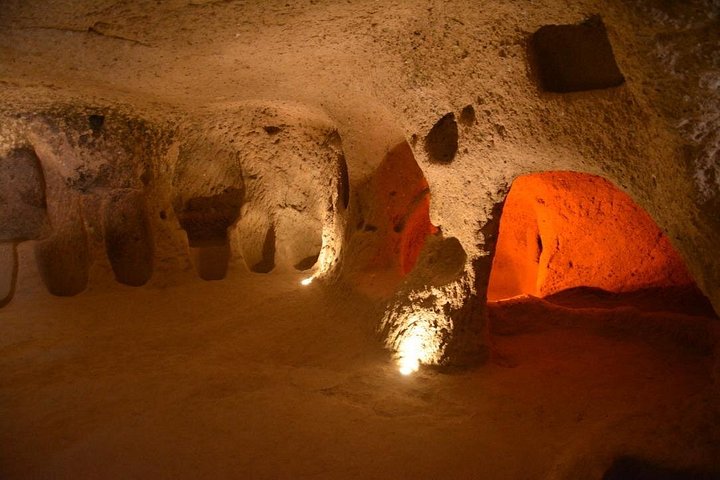
First we will drive to Ihlara Valley, created from the ashes of the volcanic Mt. Hasan. After hiking through the valley, whose water source is the beautiful Melendiz River, proceed to Selime to explore the hollowed-out citadel and churches where fairy chimneys rest on the steep hillside. Stop at Yaprakhisar village to take photos. In the afternoon, visit the Derinkuyu Underground Village where dwellings with stables, cellars, storage rooms, refectories, churches and wineries were used as refuges for Christian communities. Return to your hotel in the evening.
含まれるもの
料金に含まれるもの
- Private transportation
- Soda/Pop
- WiFi on board
- Bottled water
- Lunch
- Air-conditioned vehicle
- Fuel surcharge
- Parking Fees
含まれないもの
- Gratuities
行程
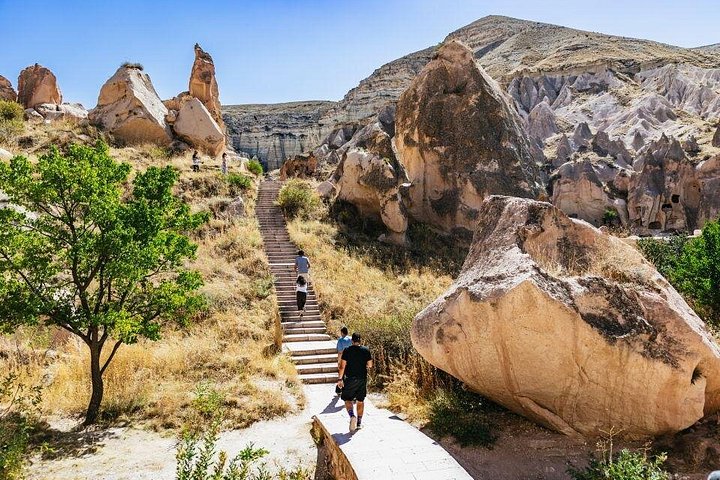
The region of Cappadocia is located in the middle of a once-active volcanic area of central Anatolia. Millions of years ago three of its mountains - Erciyes, Hasandağ and Güllüdağ - were active volcanoes; indeed this activity persisted intermittently at least into the Neolithic period according to the prehistoric paintings. The volcanic eruptions were so strong that in some places the lava was up to 150m in thickness. Over many millions of years, volcanoes, wind, rain and ice sculpted the region which we now know as Cappadocia. As the landscape was eroded, basalt stones remained and formed conical structures with some reaching as high as 45m. The local people referred to these unique rock formations "fairy chimneys", a name that has endured throughout the ages. If nature was the first artist to arrange the decor, it was Anatolian man who carved the rock and built houses, churches and over 250 underground cities out of it over the centuries.
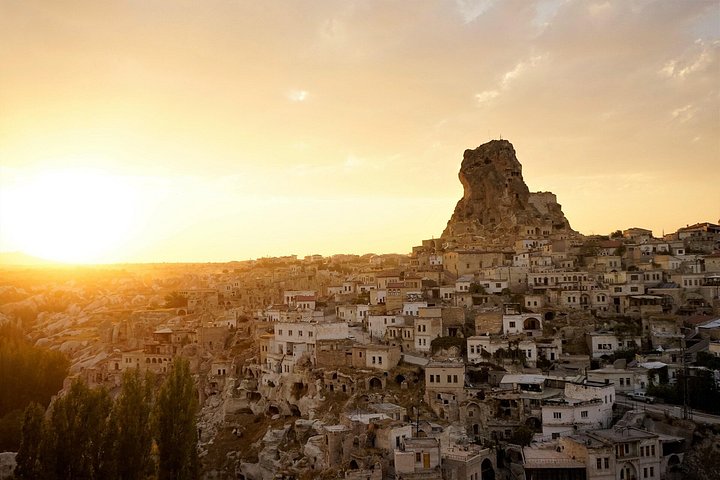
Uçhisar is first mentioned in a 14th-century chronicle by Aziz ibn Ardasir. The general area had been occupied much earlier, however. The Hittites may have used the natural structures of the cliffs as refuges and strongholds against possible attacks. In the seventh century AD, the Byzantines created a 'buffer zone' in the area against Islamic expansion. The nature of the terrain was conducive to defence, while the camouflage of the buildings provided an improved defence against attackers. After their conquest of the region, the Muslims also made use of the defensive possibilities of the area, creating small centres with caravanserais in the region. Today, for those who climb the steps to the top of the Uchisar Fortress, the whole region unfolds below. Rugs and kilims, and popular souvenirs can easily be purchased from the shops which line Uchisar's narrow streets.
Derinkuyu, one of the deepest, most extensive and amazing underground cities of Cappadocia, was discovered in 1966 during an excavation. This underground city has eight levels and lots of secret corridors. The floors include the churches, kitchens, places to tie up prisoners, sections for animals. Turkey's Cappadocia region is famous for its subterranean safe cities carved from soft tuff. These underground cities, which are among the most interesting cultural richness of Cappadocia, take tourists from all over the world on a mysterious journey every year. The underground cities in Cappadocia, interconnected by corridors, were used as hiding places by Christians in the 7th century. These subterranean cities were self-sufficient cities with granaries, stables, rooms, kitchens and ventilation systems. Derinkuyu Underground City and Kaymakli Underground City were inscribed on the UNESCO World Heritage List in 1985.
TheMelendiz River, at lhlara, has eroded the banks into an impressive canyon. Byzantine rock chapels covered with frescoes pierce the canyon walls. Some of the best known are the Agacalti (Daniel) Church, theYilanli (Apocalypse) Church and the SumbulIu (Hyacinth)Church. Guzelyurt is another valley with dwellings dating from prehistoric times. You can see the beautiful silhouette of Mt. Hasan rising like a crown above the town. The valley's underground cities, buildings carved into the rock, interesting vernacular architecture, churches, chapels and mosques embody all of the characteristics of Cappadocia and give visitors a sense of historical continuity. A popular tourist destination, Guzelyurt's hospitable residents, extensive accommodation and restaurants ensure a pleasant stay.
キャンセル
開始24時間前まで無料でキャンセルでき、全額返金されます。
参加前に知っておくこと
- 送迎
- 送迎は全員に含まれます。
- チケットの種類
- Mobile or paper ticket accepted
- 催行会社
- Deren Koray Tourism
- Infants are required to sit on an adult’s lap
- Specialized infant seats are available
- Service animals allowed
- Infants and small children can ride in a pram or stroller
- Transportation options are wheelchair accessible
- Wheelchair accessible
- Travelers should have at least a moderate level of physical fitness
How it compares in ギョレメ
- Its from-price is 258% above the median of the 555 日帰りツアー we list in ギョレメ.
- It is shorter than most of them.
- The operator lists free cancellation on it.
About ギョレメ
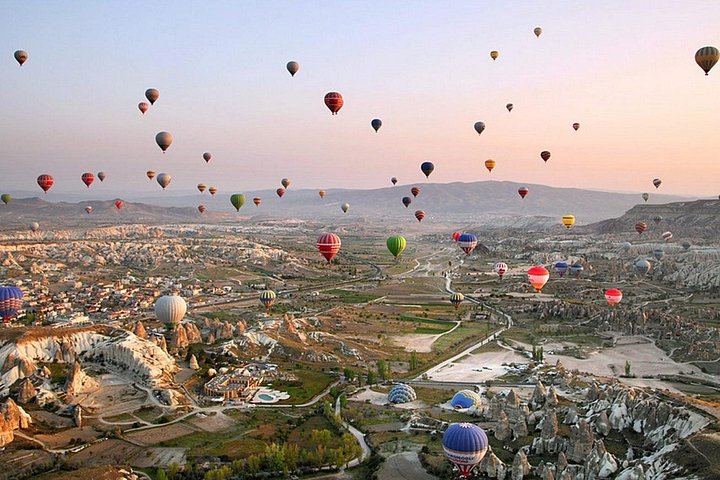
ギョレメはカッパドキアの中心にあり、奇岩、洞窟教会、夜明けの空に浮かぶ数多くの熱気球が織りなす幻想的な風景が広がります。
ギョレメの家やホテルは柔らかな火山岩に掘られており、町は侵食でできた円錐形の奇岩が並ぶ谷に囲まれています。ギョレメ屋外博物館には、岩を掘った修道院と教会が集まり、ビザンティンの修道士が描いたフレスコ画は、特に暗闇の教会で今も鮮やかな色をたたえています。
Top-ranked sights in ギョレメ: Pigeon Valley (Güvercinlik Vadisi), Devrent Valley (Devrent Vadisi), Monks Valley (Pasabag Vadisi).
ギョレメの特別価格
割引前と割引後の価格は事業者が示すもので、当サイトが付けたものではありません。