15% rabatGratis afbestilling
Kategorier i Tokyo
Beskrivelserne vises på engelsk.
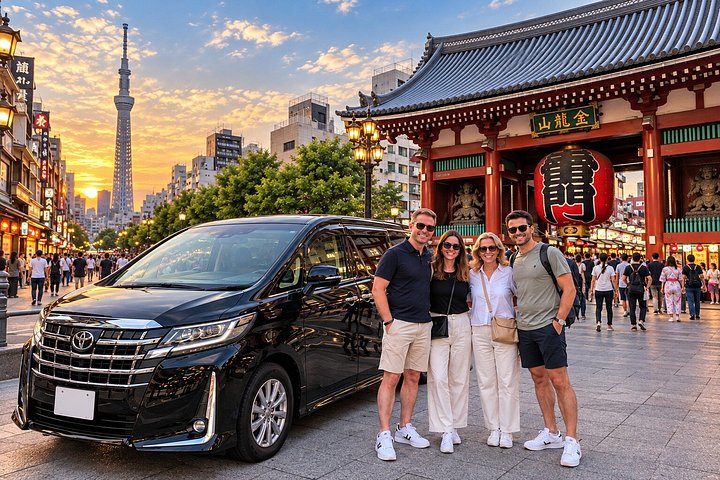
Explore iconic landmarks and hidden gems as your guide shares cultural insights and personal tips that bring the city to life. After a 4 hour sightseeing tour, your guide will accompany you to The Grand Tokyo, a unique dining venue located inside Grand Hammer. * Your guide will leave after they take you to Grand Hammer Enjoy an a one-of-a-kind variety show featuring performers from around the world, including artists who starred in the hit global series Got Talent! You can customize your tour directly with the guide after placing your reservation. Please craft your itinerary by choosing 2 to 3 spots on the ‘what to expect’ or ‘itinerary’ list. Note* Dinner and drinks are not included in the tour. Please pay on site on the day.
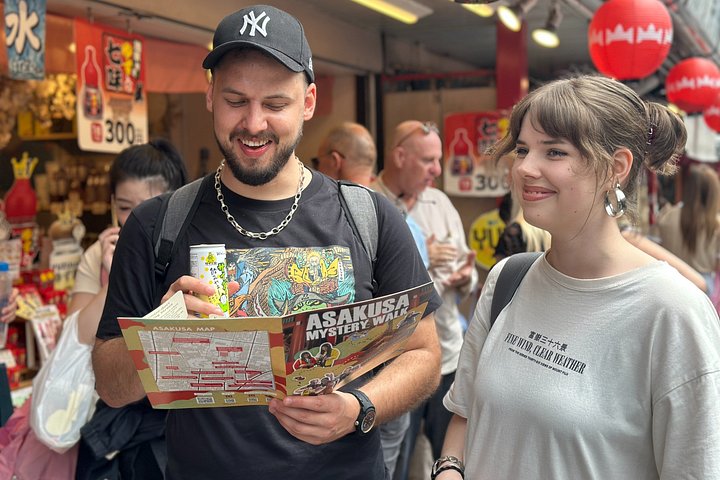
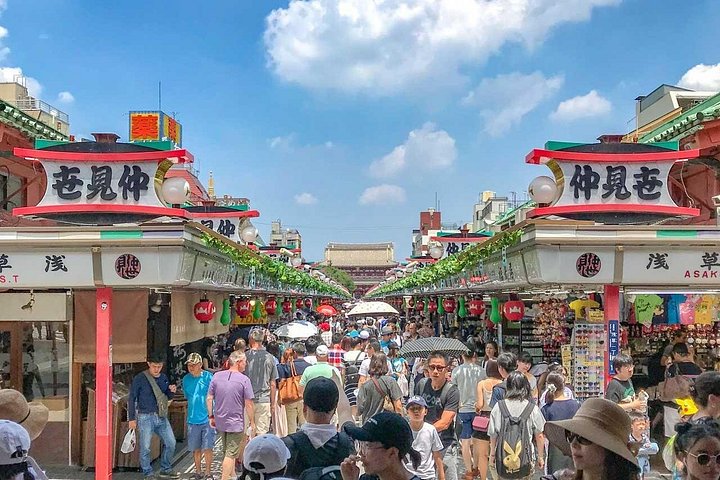
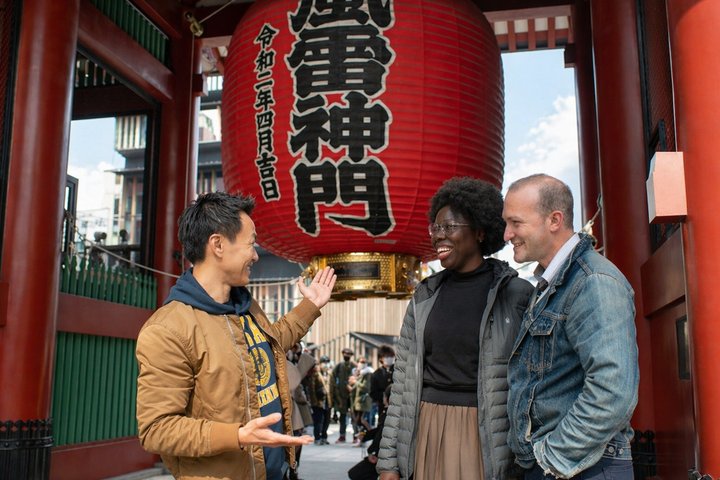
Asakusa (浅草) is the center of Tokyo's shitamachi (literally "low city"), one of Tokyo's districts, where an atmosphere of the Tokyo of past decades survives.
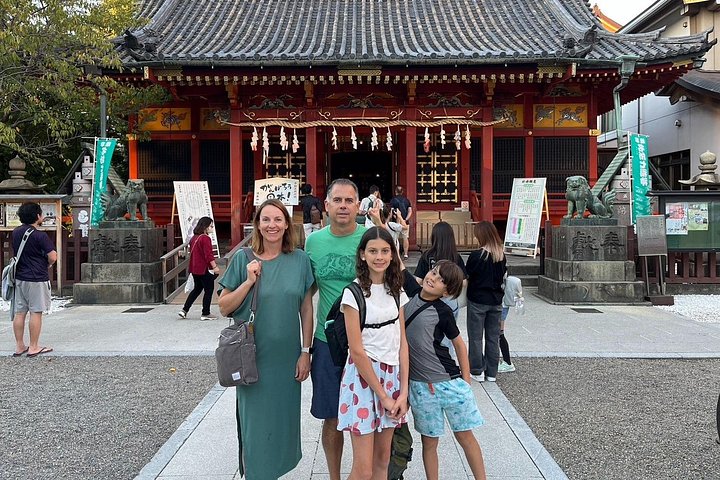
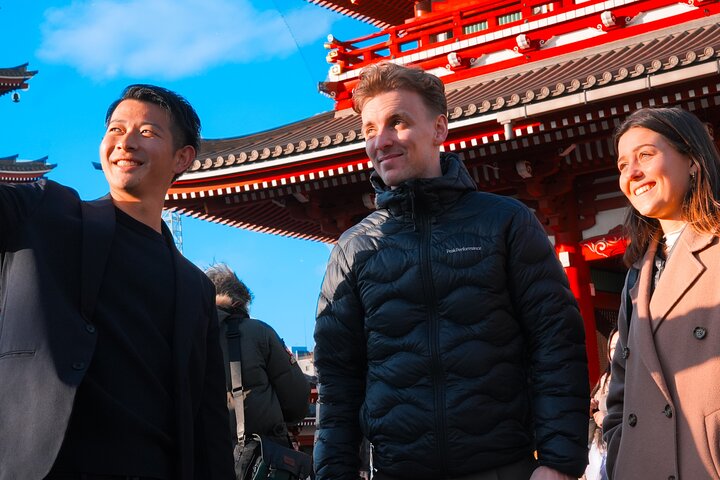
Sensoji (浅草寺, Sensōji, also known as Asakusa Kannon Temple) is a Buddhist temple located in Asakusa. It is one of Tokyo's most colorful and popular temples.
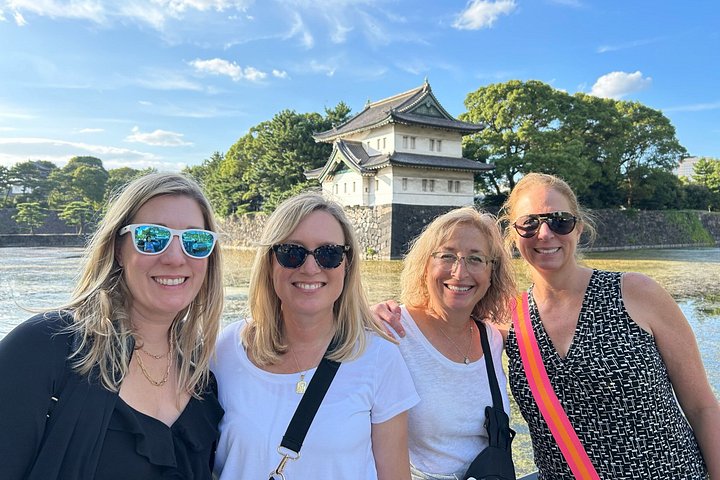
**This tour does not include access to the inside of the Imperial Palace** The current Imperial Palace is located on the former site of Edo Castle, a large park area surrounded by moats and massive stone walls in the center of Tokyo, a short walk from Tokyo Station. It is the residence of Japan's Imperial Family. Edo Castle used to be the seat of the Tokugawa shogun who ruled Japan from 1603 until 1867. In 1868, the shogunate was overthrown, and the country's capital and imperial residence were moved from Kyoto to Tokyo. In 1888 construction of a new Imperial Palace was completed. The palace was once destroyed during World War Two, and rebuilt in the same style, afterwards.
Akihabara (秋葉原), also called Akiba after a former local shrine, is a district in central Tokyo that is famous for its many electronics shops. In more recent years, Akihabara has gained recognition as the center of Japan's otaku (diehard fan) culture, and many shops and establishments devoted to anime and manga are now dispersed among the electronic stores in the district. On Sundays, Chuo Dori, the main street through the district, is closed to car traffic from 13:00 to 18:00 (until 17:00 from October through March).
Hama Rikyu (浜離宮, Hama Rikyū), is a large, attractive landscape garden in central Tokyo. Located alongside Tokyo Bay, Hama Rikyu features seawater ponds which change level with the tides, and a teahouse on an island where visitors can rest and enjoy the scenery. The traditionally styled garden stands in stark contrast to the skyscrapers of the adjacent Shiodome district.
Shinjuku Gyoen is one of Tokyo's largest and most popular parks. Located a short walk from Shinjuku Station, the park's spacious lawns, meandering walking paths and tranquil scenery provide a relaxing escape from the busy urban center around it. In spring Shinjuku Gyoen becomes one of the best places in the city to see cherry blossoms.
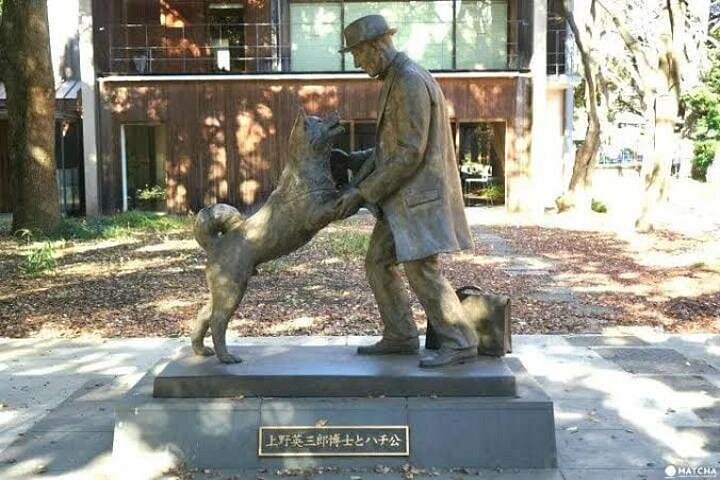
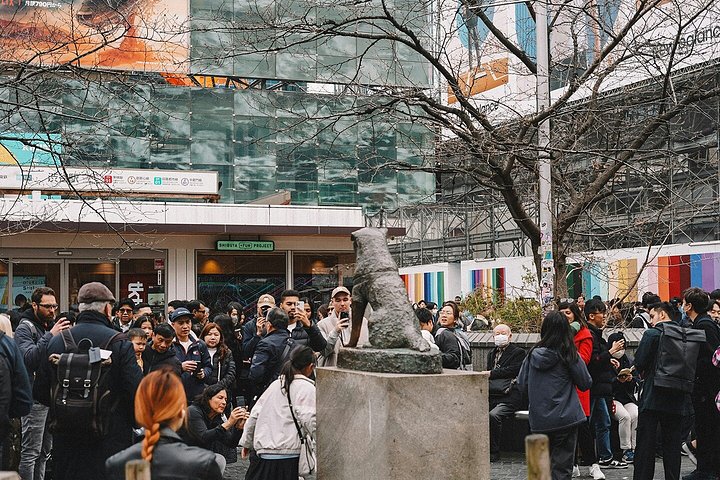
Said to be the busiest crossing in the world, Shibuya Scramble is a marvel of modern cities. You can also visit the loyal Hachiko dog statue here!
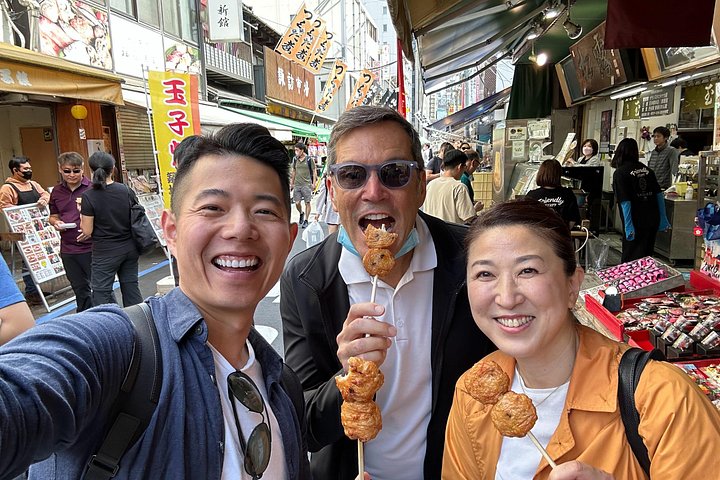
Explore the old fish market in Tokyo!
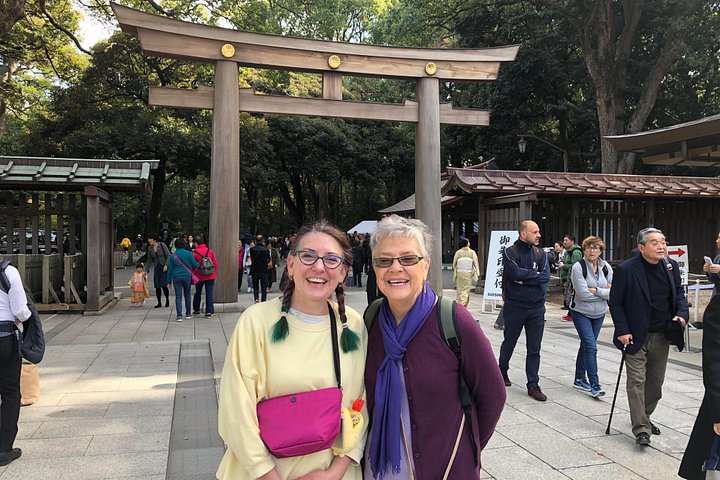
Meiji Shrine (明治神宮, Meiji Jingū) is a shrine dedicated to the deified spirits of Emperor Meiji and his consort, Empress Shoken. Located just beside the JR Yamanote Line's busy Harajuku Station, Meiji Shrine and the adjacent Yoyogi Park make up a large forested area within the densely built-up city. The spacious shrine grounds offer walking paths that are great for a relaxing stroll. The shrine was completed and dedicated to the Emperor Meiji and the Empress Shoken in 1920, eight years after the passing of the emperor and six years after the passing of the empress. The shrine was destroyed during the Second World War but was rebuilt shortly thereafter.
Koishikawa Korakuen (小石川後楽園, Koishikawa Kōrakuen) is one of Tokyo's oldest and best Japanese gardens. It was built in the early Edo Period (1600-1867) at the Tokyo residence of the Mito branch of the ruling Tokugawa family. Like its namesake in Okayama, the garden was named Korakuen after a poem encouraging a ruler to enjoy pleasure only after achieving happiness for his people. Koishikawa is the district in which the garden is located in.
The Tokyo National Museum (東京国立博物館, Tōkyō Kokuritsu Hakubutsukan) is the oldest and largest of Japan's top-level national museums, which also include the Kyoto National Museum, the Nara National Museum and the Kyushu National Museum. It was originally established in 1972 at Yushima Seido Shrine and moved to its current location in Ueno Park a few years later. The Tokyo National Museum features one of the largest and best collections of art and archeological artifacts in Japan, made up of over 110,000 individual items including nearly a hundred national treasures. At any one time, about 4000 different items from the permanent museum collection are on display. In addition, visiting temporary exhibitions are also held regularly. Good English information and audio guides are available.
Rikugien (六義園) is often considered Tokyo's most beautiful Japanese landscape garden alongside Koishikawa Korakuen. Built around 1700 for the 5th Tokugawa Shogun, Rikugien literally means "six poems garden" and reproduces in miniature 88 scenes from famous poems. The garden is a good example of an Edo Period strolling garden and features a large central pond surrounded by manmade hills and forested areas, all connected by a network of trails.
Gratis afbestilling indtil 24 timer før oplevelsen starter, med fuld refusion.
Neonoplyste kvarterer, stille helligdomme, fremragende mad og særprægede bydele udgør Tokyo, en enorm, velordnet metropol forbundet af punktlige tog.
Hvert kvarter føles som sin egen by. Shibuyas berømte fodgængerkryds og Shinjukus tårne, barer og stræder i Golden Gai pulserer af energi, mens Harajuku blander ungdomsmode med skovklædt ro ved Meiji Jingu-helligdommen. I Asakusa holder Sensō-ji-templet og dets markedsgade et ældre Tokyo i live, og Ginza byder på elegante stormagasiner og gallerier.
Top-ranked sights in Tokyo: Senso-ji Temple (Asakusa Temple), Tokyo Imperial Palace, Meiji Shrine (Meiji Jingu).
Før/nu-priser kommer fra udbyderen, aldrig fra os.
fra452 US$407 US$
fra278 US$255 US$
fra199 US$189 US$

Føj Ticket Hall til din hjemmeskærm
Billetter og byguider, ét tryk væk, også offline.
Ticket Hall