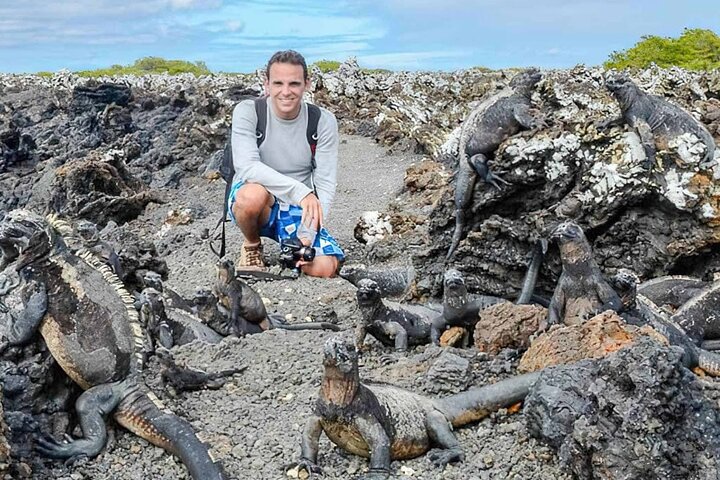
Snorkeling in Cabo Rosa Tunnels Isabela Island
Beskrivelserne vises på engelsk.
Beskrivelserne kommer fra udbyderen og oversættes automatisk.
- 5 timer
- Gratis afbestilling indtil 24 t før
- 3 sprog
- Straks bekræftet
Højdepunkter
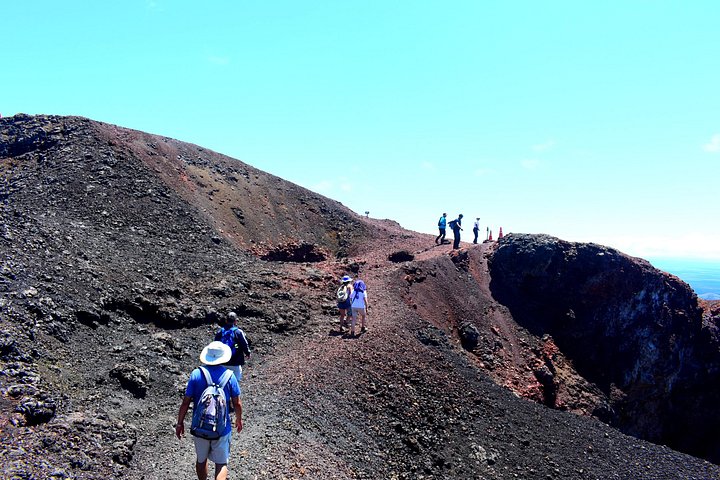
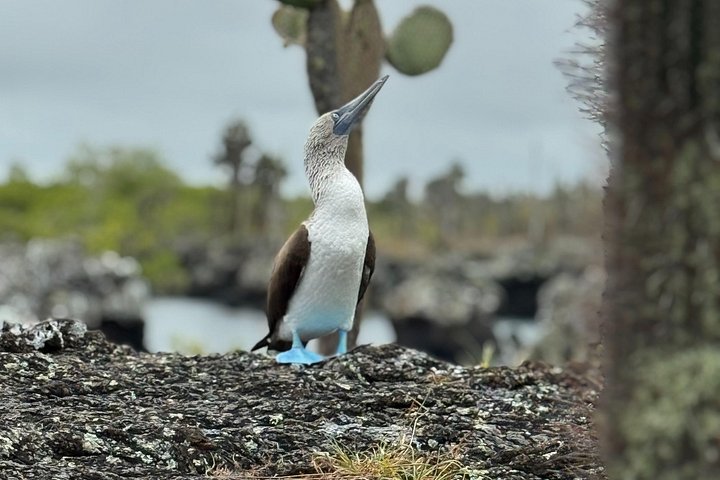
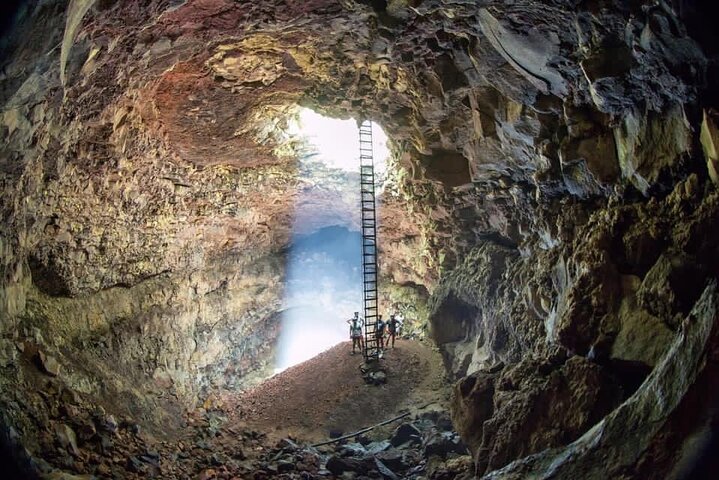
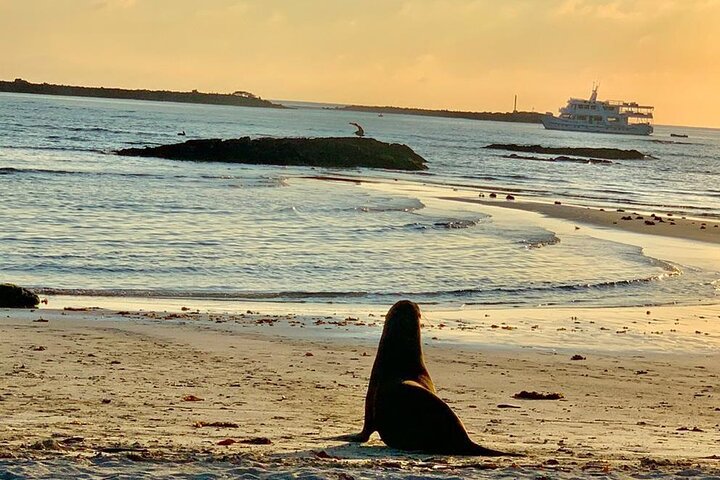
Cabo Rosa Tunnels is the best place to snorkel and observe the endemic animals of the Galapagos Islands. We will swim with seahorses, sea turtles, blue shark sharks, and if we are lucky we will be able to see the Galapagos penguins and the blue footed boobies. The best tour on isabela island, galapagos!
Inkluderet
Det er inkluderet
- Private transportation
- Use of Snorkelling equipment
- Breakfast
- Use of wetsuit
Ikke inkluderet
- Gratuities
Afbestilling
Gratis afbestilling indtil 24 timer før oplevelsen starter, med fuld refusion.
Anmeldelser
4,5
- 558
- 47
- 31
- 21
- 16
Bedømmelserne kommer fra 73 anmeldelser, som vores bookingpartner har indsamlet. Det er de rejsendes egne ord, i den rækkefølge de blev skrevet — aldrig omrokeret for at pynte på oplevelsen.
Godt at vide
- Afhentning
- Afhentning er inkluderet for alle.
- Billettype
- Mobile or paper ticket accepted
- Gruppestørrelse
- Op til 10 rejsende
- Udføres af
- Galápagos Native Tour Operator
- Not recommended for travelers with spinal injuries
- Not recommended for pregnant travelers
- Suitable for all physical fitness levels
How it compares in Puerto Villamil
- Its from-price is 10% above the median of the 18 experiences we list in Puerto Villamil.
- Its length is typical for the group.
- By number of reviews it ranks 1 of 18.
- The operator lists free cancellation on it.
About Puerto Villamil
Puerto Villamil, the small port of Isabela island in the Galápagos, is a sandy-streeted village beside a long pale beach, flamingo lagoons and lava.
Puerto Villamil is a small town on the south-east coast of Isabela, the largest island of the Galápagos, with sand streets and a long beach of pale sand backed by palms, where marine iguanas lie on the lava rocks. The town is named for José Villamil, who organised Ecuador's first settlement in the islands in 1832.