5% rabatGratis afbestilling
Hiroshima & Miyajima: 2 UNESCO Sites 1-Day Small Group Tour
fra100 US$95 US$
Beskrivelserne vises på engelsk.
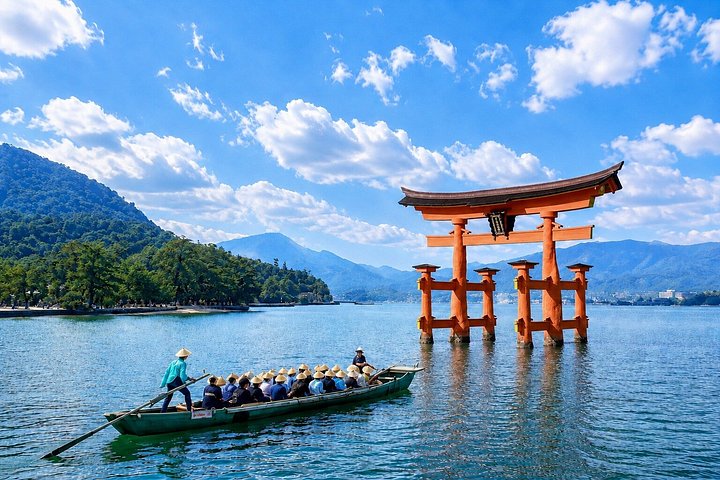
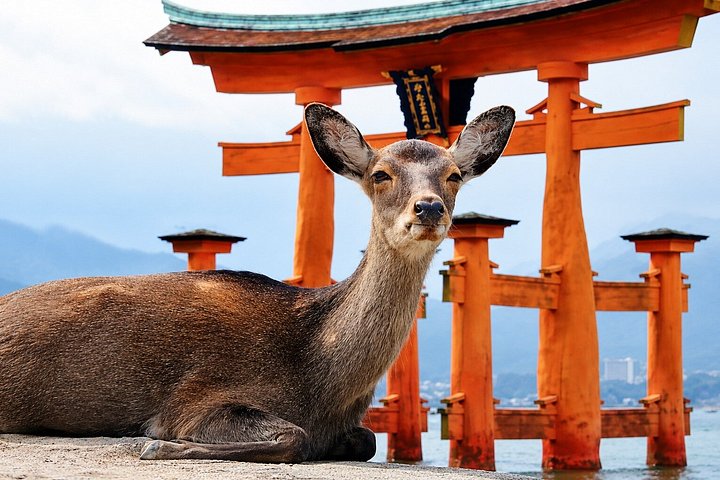
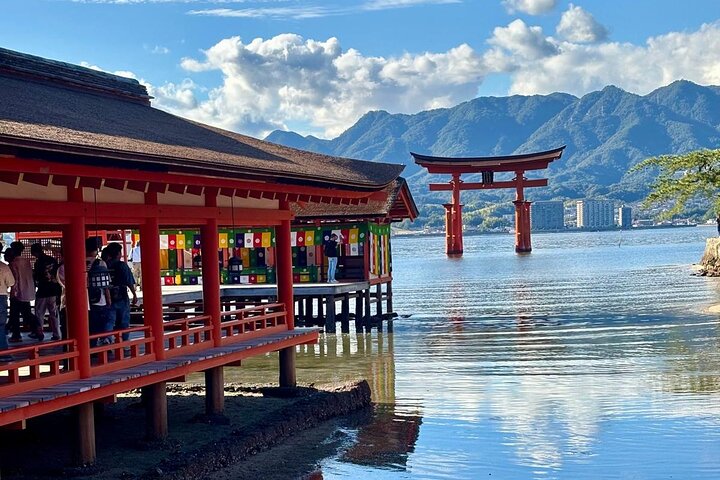
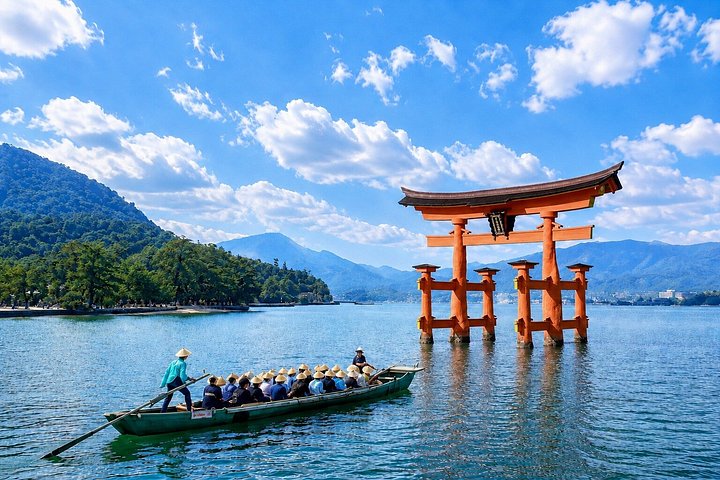
Miyajima Island in Hiroshima, Japan is a captivating opportunity to delve into its rich history, religious significance, cultural importance, and natural beauty. The island is renowned for the iconic red torii gate of Itsukushima Shrine, a UNESCO World Heritage site, which stands majestically in the sea during high tide, symbolizing the island's spiritual connection. Exploring the island reveals ancient temples, serene forests dotted with friendly deer, and a tranquil atmosphere that embodies Japanese spirituality. Miyajima's blend of historical landmarks, deep cultural roots, and breathtaking landscapes makes it a profound destination for travelers seeking a glimpse into Japan's storied past and natural splendor. Sampling local delicacies like fresh oysters completes the experience, making it a must-visit destination for its blend of scenic landscapes and spiritual allure.
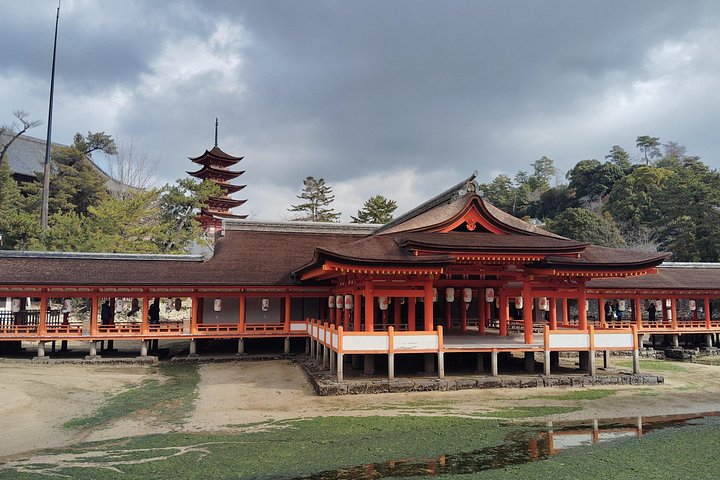
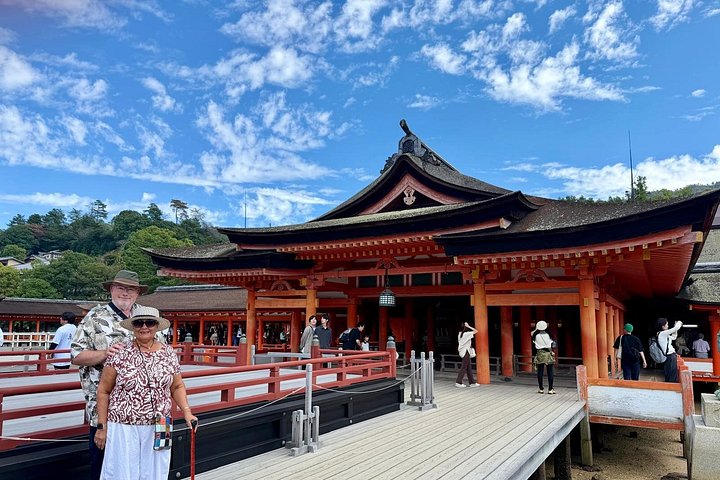
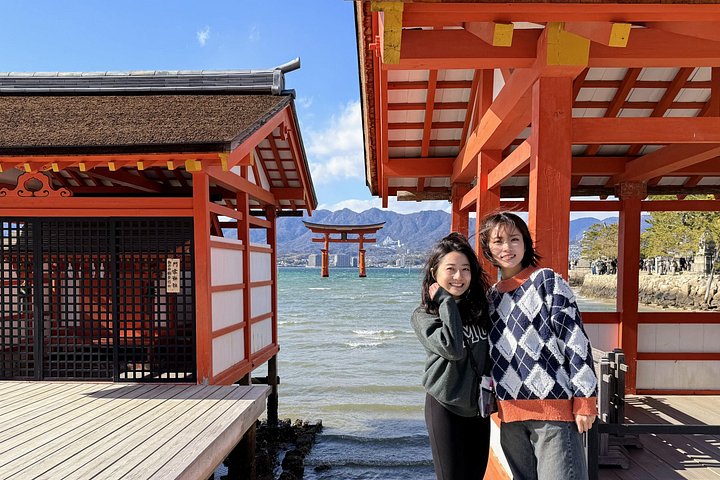
Itsukushima Shrine Itsukushima Shrine, located on Miyajima Island in Hiroshima Prefecture, is a UNESCO World Heritage Site known for its iconic "floating" torii gate. The shrine complex is built over the water and is dedicated to the three daughters of the Shinto deity of seas and storms, Susanoo-no-Mikoto. Its architectural beauty and harmonious integration with the island s natural surroundings make it one of Japan s most celebrated cultural landmarks
Daisho-in Temple Daisho-in is a historic Buddhist temple situated on the slopes of Mount Misen on Miyajima Island. It is considered one of the most important temples in Shingon Buddhism and offers visitors a serene atmosphere for meditation and contemplation. The temple grounds feature various halls, pagodas, statues, and prayer halls, including the impressive Kannon-do Hall with its 500 Buddhist statues. Daisho-in also offers panoramic views of the Seto Inland Sea and is known for its picturesque gardens and vibrant autumn foliage
Momijidani Park: Momijidani Park, located at the base of Mount Misen on Miyajima Island, is renowned for its stunning autumn foliage. The park's name, which translates to "Maple Valley," aptly describes its beauty during the fall season when the maple trees turn brilliant shades of red, orange, and yellow. Visitors can enjoy leisurely walks along the park's trails, crossing picturesque bridges and streams while surrounded by the vibrant colors of autumn.
Senjokaku Pavilion (Toyokuni Shrine): Senjokaku, also known as Toyokuni Shrine, is a large wooden pavilion located near Itsukushima Shrine on Miyajima Island. Built in the late 16th century by the warlord Toyotomi Hideyoshi, the pavilion was intended to be a Buddhist hall but was never completed. Its spacious interior features massive wooden pillars and beams, offering visitors a glimpse into traditional Japanese architecture. The pavilion's name, which means "pavilion of 1000 tatami mats," reflects its vast size. Today, Senjokaku serves as a venue for religious ceremonies and cultural events and offers panoramic views of Miyajima Island and the surrounding sea from its spacious veranda.
motesando Street on Miyajima Island in Japan is a charming and historic thoroughfare that serves as the main approach to Itsukushima Shrine. Omotesando Street winds through the heart of Miyajima, offering picturesque views of traditional Japanese architecture, including wooden buildings with tiled roofs. You'll find a variety of shops selling local crafts, souvenirs, and traditional snacks such as momiji manju (maple leaf-shaped cakes filled with red bean paste). There are also several restaurants serving fresh seafood, including oysters, which Miyajima is famous for
Daiganji Temple dates back to the late Heian Period (794-1185) and is believed to have been founded in 806 AD. It has a long history closely tied to the development of Buddhism in Japan and the cultural heritage of Miyajima Island
Gratis afbestilling indtil 24 timer før oplevelsen starter, med fuld refusion.
5,0
Bedømmelserne kommer fra 1 anmeldelser, som vores bookingpartner har indsamlet. Det er de rejsendes egne ord, i den rækkefølge de blev skrevet — aldrig omrokeret for at pynte på oplevelsen.
Hiroshima, on Japan's Seto Inland Sea, is a rebuilt river city whose Peace Memorial Park and museum recall the atomic bombing of 1945.
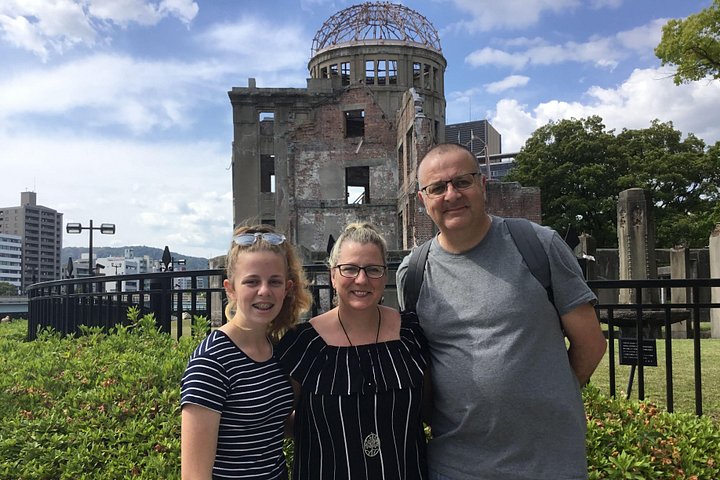
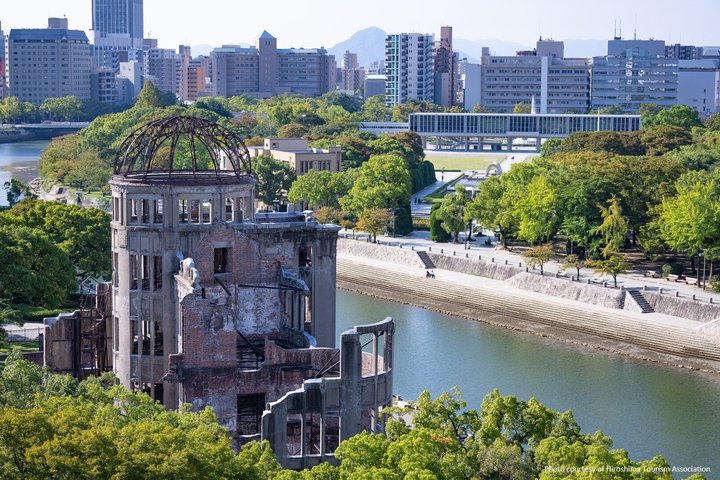
Hiroshima spreads across the delta of the Ōta River, whose channels, bridges and trams give the city an open feel. The atomic bomb of 6 August 1945 destroyed most of it. The Peace Memorial Park beside the river holds the Atomic Bomb Dome, a ruined building left standing and listed by UNESCO, the Peace Memorial Museum and the Children's Peace Monument.
Top-ranked sights in Hiroshima: Hiroshima Peace Memorial Museum, Hiroshima Peace Memorial Park, Miyajima Island (Itsukushima).
Før/nu-priser kommer fra udbyderen, aldrig fra os.
fra100 US$95 US$

fra226 US$208 US$
fra110 US$101 US$
fra290 US$232 US$
Føj Ticket Hall til din hjemmeskærm
Billetter og byguider, ét tryk væk, også offline.
Ticket Hall