Gratis afbestilling
Kategorier i Yala National Park
Beskrivelserne vises på engelsk.
See more wildlife with the lack of loud motor sounds to send them into hiding. Get up close and personal to fauna without disturbing them.
A jungle trail network that takes you through the dry forests frequented by the gentle giants of the country. These off-road tracks feature ancient tanks full of water lilies and if you are lucky you may even catch a glimpse of herds of wild elephants, wild deer and wild buffaloes grazing in the distance. Distance: 25 km Duration: 3-4 hrs Elevation: 200m - 350m Difficulty: 3/5
Gratis afbestilling indtil 24 timer før oplevelsen starter, med fuld refusion.
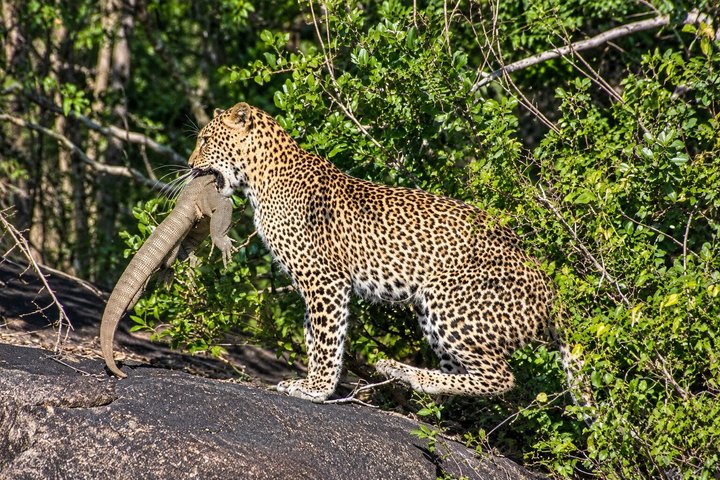
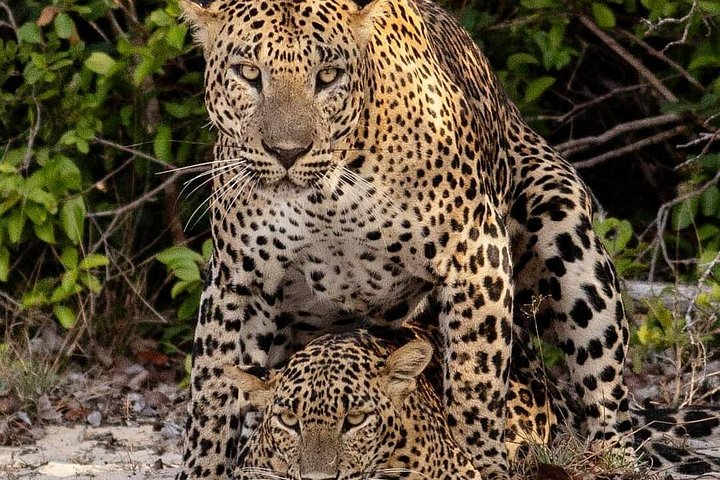
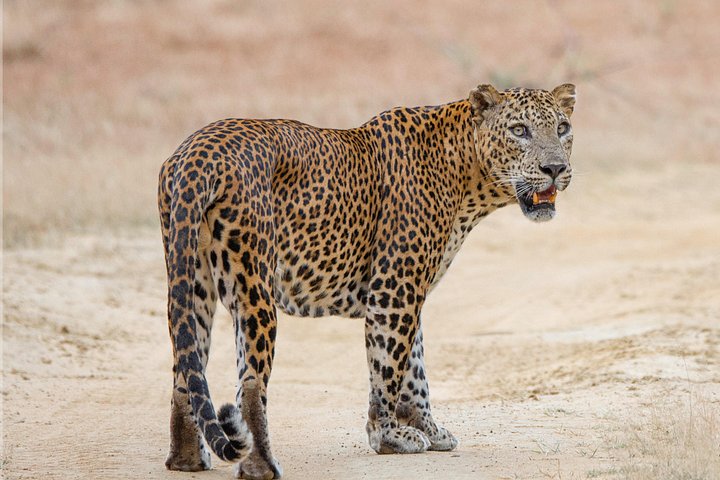
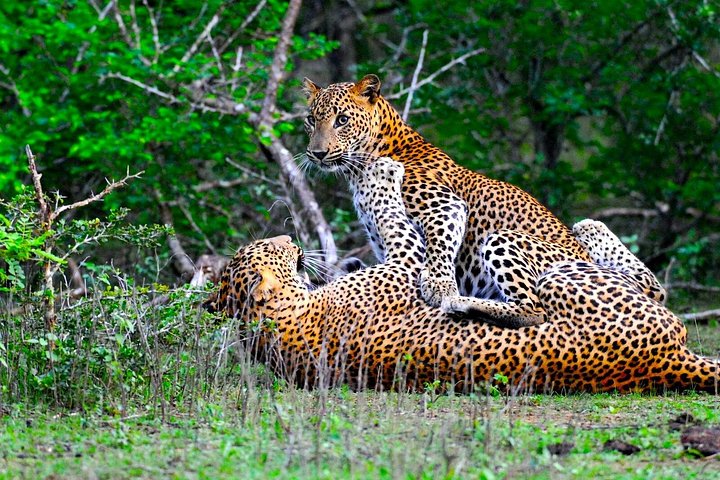
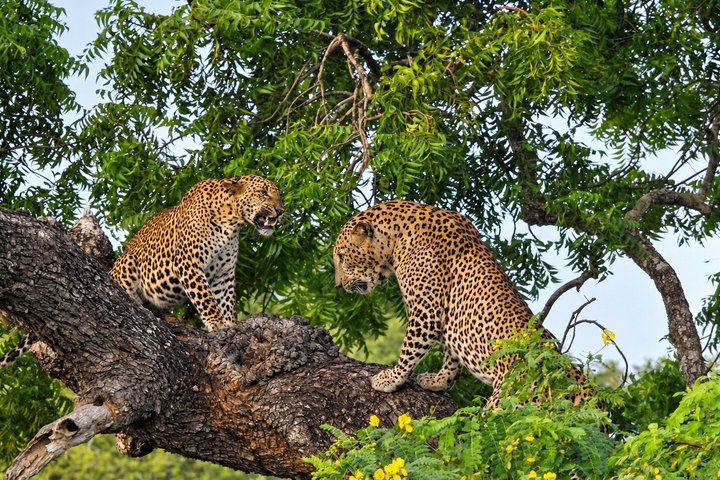
Yala is Sri Lanka's most visited wildlife park, a dry-zone reserve of scrub, lagoons and rock on the south-east coast, famous for leopards and elephants.
Yala National Park covers a large area of the south-east coast of Sri Lanka, a mix of dry scrub forest, grassland, lagoons, rocky outcrops and sand dunes beside the Indian Ocean. It was set aside as a wildlife sanctuary in 1900 and became a national park in 1938, and it is divided into blocks, of which Block 1 is the most visited. Tissamaharama, a town on a large lake, is the usual base.
Føj Ticket Hall til din hjemmeskærm
Billetter og byguider, ét tryk væk, også offline.
Ticket Hall