خصم 13%إلغاء مجاني
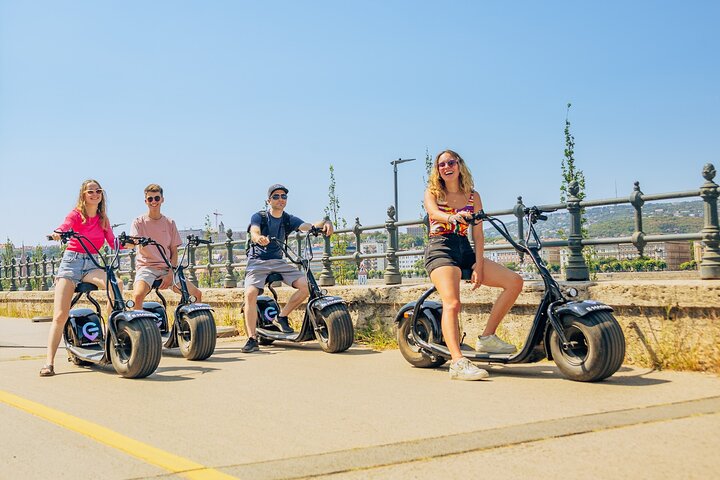
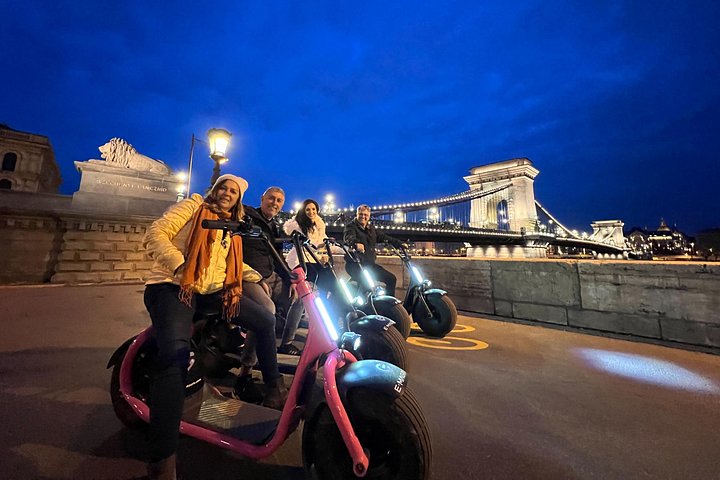
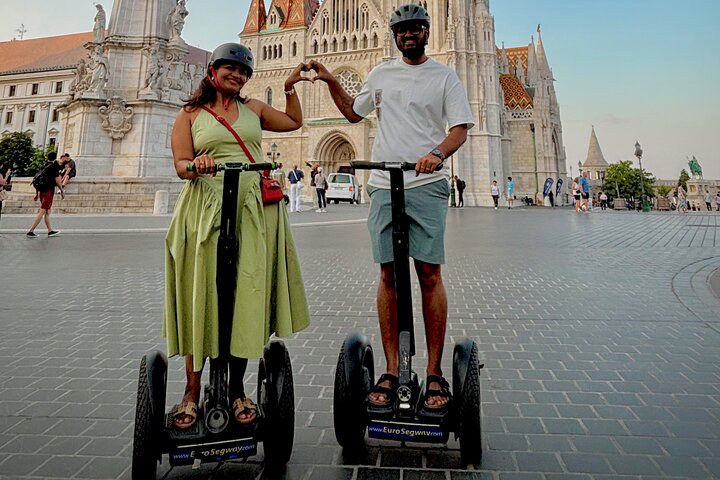
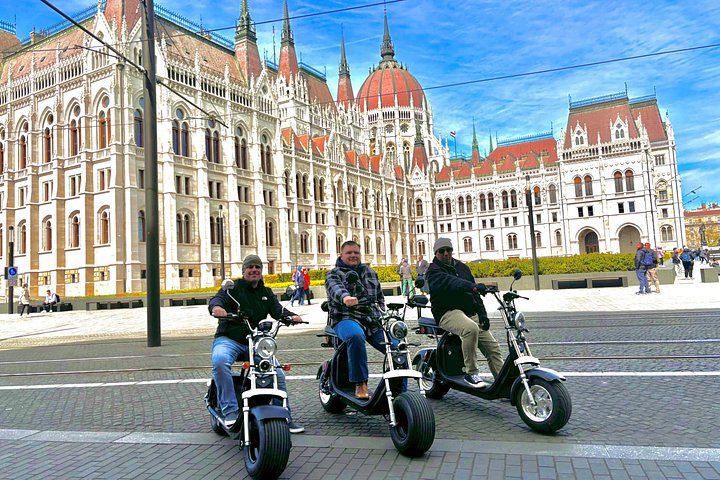
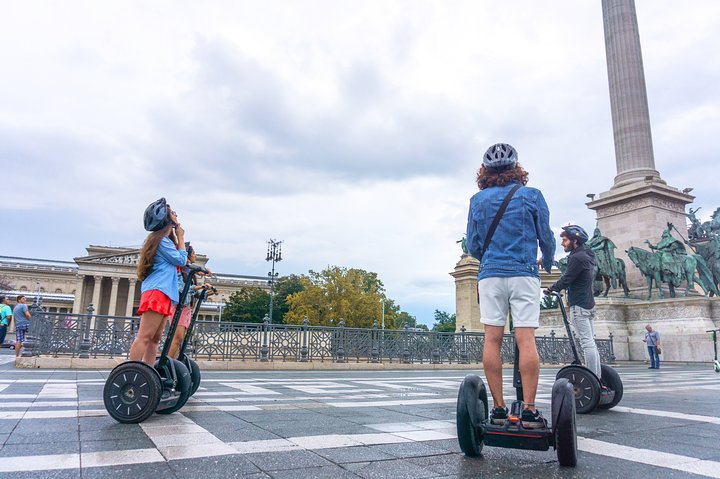
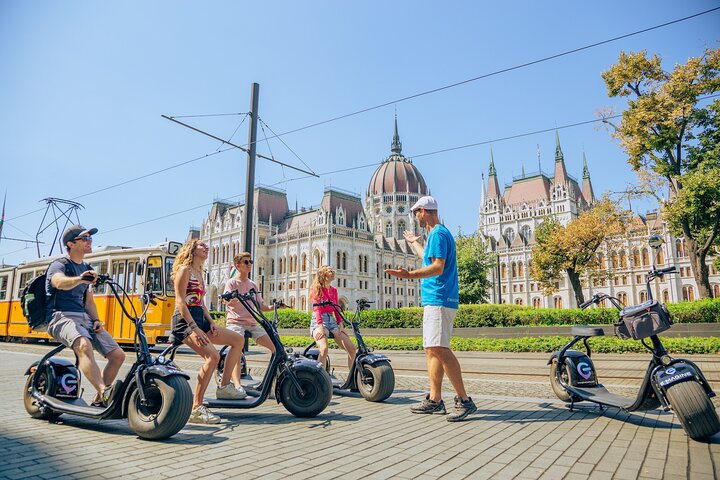
Budapest Small-Group Guided Tour on MonsteRoller e-Scooter
ابتداءً من46 US$40 US$
الأوصاف معروضة بالإنجليزية.
Historians still argue what to call the events that were triggered by a peaceful solidarity rally of Hungarian students with the Polish people on October 23rd, 1956: a rebellion, revolt, uprising, popular uprising, revolution, counter-revolution, or War of Independence. The best definition comes from Sándor Márai’s poem, Angel from heaven, written for the Christmas of 1956: “A nation said: Enough!”. The events of 1956 shook not only the communist world, but had lasting effects on world politics. The brief period of breathing “freedom at last” gave courage and strength to Hungarians to survive the rest of foreign tyranny until it finally collapsed in 1989.
We will visit Kossuth Square where the Hungarian parliament stands. Aside from several other impressive buildings on the square, we will see where, following a mass demonstration in 1956, dozens were massacred by the government.
On the banks of the Danube, close to Margit Bridge, stands a building which in communist times was dubbed The White House. It was the Party HQ of the Hungarian communist government. We will visit this and also take a look at the statue of Imre Nagy, Prime Minister in 1956 who was later murdered.
Going south from Margaret Bridge, we arrive to Bem Square. The square saw 200,000 Hungarian students protesting against Soviet rule in 1956, in a rally that was originally organized to support Polish workers. We will also visit Bambi Eszpresszó, a shelter for Buda-side intellectuals in Frankel Leó utca, has been going strong since the 1960s, and has maintained both the same atmosphere and the same interior design ever since.
Sándor Petöfi was the key figure in the 1948 revolution, and as such he came to represent all struggle against government. The statue is a meeting point for political events and protesters still today. The famous actor Sinkovits Imre came here to the statue in 1956 and recited the words of Petöfi which incite revolution; he was subsequently arrested and imprisoned.
Located along the tiny, one-way Sándor Bródy Street, Budapest’s Magyar Rádió Building (also known as Radio Budapest) is somewhat secluded from the city’s more bustling thoroughfares. The Radio building was one of the epicentres of fighting in 1956, and it was from here revolutionaries begged for help from the world at large.
On the south-east part of Budapest's city, Corvin köz was the major resistance center, where in 1956 local youngsters fought the invading Russians with Molotov cocktails and guns they stole from soldiers to fight against Soviet tanks. We will look at the reminders of the battles here and talk about the invasion of 1956 and its aftermath.
إلغاء مجاني حتى 24 ساعة قبل بدء التجربة، مع استرداد كامل.
4.7
التقييمات مبنية على 11 مراجعة جمعها شريك الحجز لدينا. وهي كلمات المسافرين أنفسهم بالترتيب الذي كُتبت به، ولا يُعاد ترتيبها لتجميل التجربة.
Budapest joins hilly Buda and flat Pest across the Danube, a grand capital of thermal baths, riverside palaces and lively ruin bars.
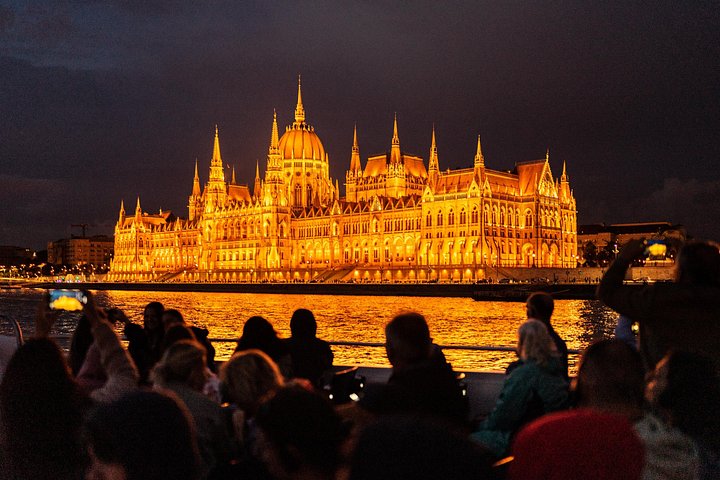
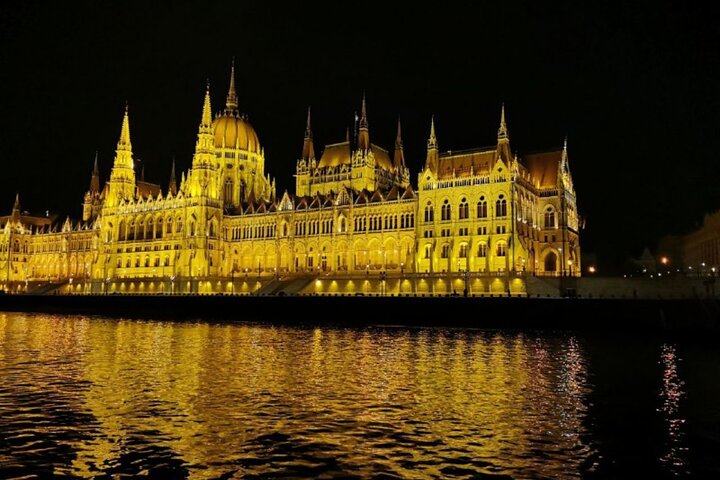
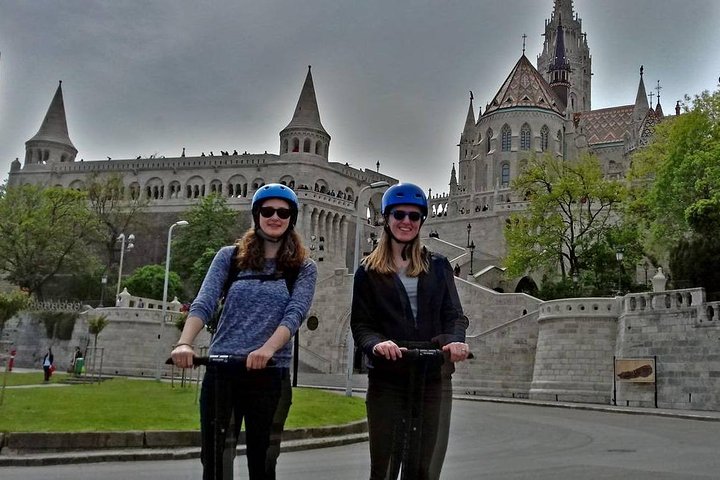
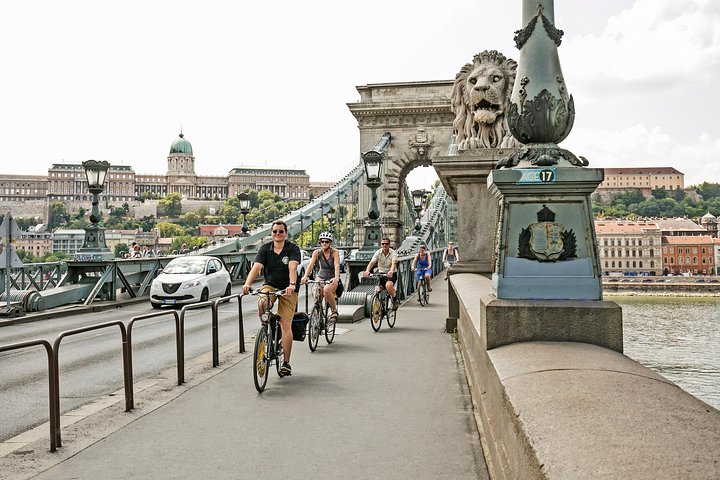
On the Buda side, Castle Hill holds Buda Castle, the Matthias Church and the white turrets of Fishermen's Bastion, all looking down on the river. The Chain Bridge crosses to Pest, where the Hungarian Parliament Building stretches along the bank and St Stephen's Basilica rises a few streets inland. Gellért Hill and its Citadella give the widest views.
Top-ranked sights in Budapest: House of Parliament (Országház), Buda Castle (Budai Vár), Chain Bridge (Széchenyi Lanchid) .
السعر قبل الخصم وبعده من المشغّل، لا منّا.
ابتداءً من46 US$40 US$

ابتداءً من158 US$134 US$
ابتداءً من39 US$31 US$
ابتداءً من79 US$63 US$
ابتداءً من23 US$22 US$
ابتداءً من69 US$57 US$
ابتداءً من126 US$
ابتداءً من46 US$40 US$
أضف Ticket Hall إلى الشاشة الرئيسية
تذاكر وأدلة مدن على بُعد نقرة واحدة، حتى دون اتصال.
Ticket Hall