خصم 20%إلغاء مجاني
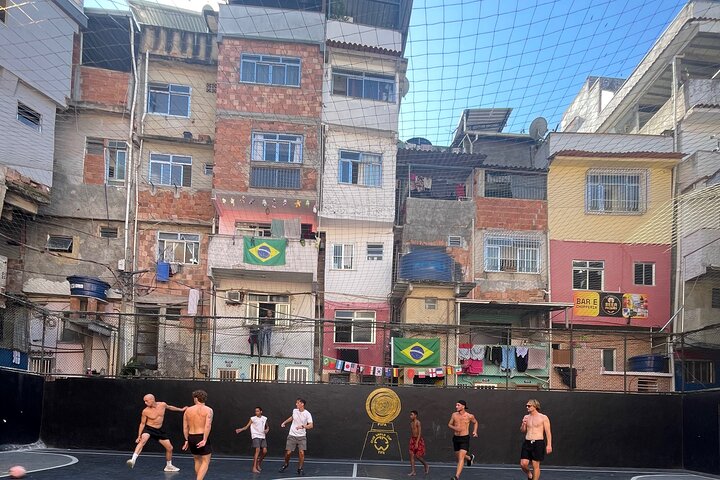
Rio : Visit to the football field FIFA STREET and Passeio Favela
ابتداءً من46 US$37 US$
الأوصاف معروضة بالإنجليزية.
The best way to know the city you're visiting and feel like a local is by taking public transportation and walking through the streets to explore. The walking tour is a small group tour with a "Carioca" guide. You will be able to see and learn about the cultural and historical part of the city and visit Downtown's main attractions.
The Municipal Theater or Opera House is one of theJewels in Rio de Janeiro. It was built between 1906 and 1909 with the same architetural style of the Opera House in Paris with Eclectic Architectural style.
The Paço Imperial or Imperial Palace, previously known as the Royal Palace of Rio de Janeiro and Palace of the Viceroys, is a historic building.The Paço Imperial was built in the 18th century to serve as residence for the governors of colonial Brazil. From 1808, it was used as a royal residence by King John VI of Portugal as King of Portugal and later also as King of Brazil.
The CCBB in Rio de Janeiro is a building of neoclassical lines that in the past was connected to finance and business. Its foundation stone was launched in 1880, materializing the project of Francisco Joaquim Bethencourt da Silva (1831-1912), architect of the Imperial House, founder of the Society of Fine Arts and the Lyceum of Arts and Crafts
The largest library in Latin America and the 7th largest in the world, its collections include about 9 million items.It organized the first library science courses in Latin America and its staff has led the modernization of library services, including the development of online databases
The Candelária Church is an important historical Roman Catholic church in the city of Rio de Janeiro. It was built and decorated during a long period, from 1775 to the late 19th century. The church combines a Baroque facade with a neoclassical and Neo-Renaissance interior elements.
The history of the Convent of St. Anthony begins in 1592, when the first Franciscan friars arrived in Rio de Janeiro, who settled provisionally near the Beach of Santa Luzia. Shortly afterwards, the Franciscans erected a small hermitage on the top of a hill located in an area a little further from the coast. In 1607, they were granted definitive possession of the hill, now known as Morro de Santo Antônio, in which they began to build the convent on June 4, 1608. The author of the first project was Brother Francisco dos Santos, but several others religious-Franciscan architects interfered in the work.
The square is located in the historical centre of Rio de Janeiro and is flanked by the Palácio Tiradentes , the seat of the Legislative Assembly of Rio de Janeiro; and the Paço Imperial. The Praça XV Station is a ferry terminal servicing a number of destinations in the city of Rio de Janeiro and Niteroi.
Cinelândia is the popular name of a major public square in the centre of Rio de Janeiro, Brazil. Its official name is Praça Floriano Peixoto, in honour of the second president of Brazil, Floriano Peixoto.
In 1738 the House of Governors (later to become the Imperial Palace) begins to be built under the command of Gomes Freire de Andrade, Count of Bobadela. In 1743 the construction of the new House of Governors is finished and the Largo do Paço region gains a great appreciation. Seeing the growth of the area, the Portuguese judge Antônio Telles Barreto de Menezes (who gave rise to the name of the arch) decides to buy land in the area and build a house, or a set of houses, in order to rent to merchants that came to visit Rio de janeiro
It is an imposing neoclassical solar, designed by Grandjean de Montigny, member of the French Artistic Mission (1816) and professor of the Imperial Academy of Fine Arts. Commissioned by João VI of Portugal in 1819 for the installation of the city's first Commerce Square, it was inaugurated on May 13, 1820.
The Federal Justice Cultural Center (CCJF), an institution linked to the Federal Regional Court of the 2nd Region, occupies the former seat of the Federal Supreme Court. Its construction began in 1905, as an integral part of the project of reformulation of the city of Rio de Janeiro, then Federal Capital, in the administration of the mayor Pereira Passos. Originally intended to house the Mithra Archiepiscopal, the building was purchased for the installation of the Supreme and had its solemn inauguration on April 3, 1909. Designed by the architect Adolpho Morales de Los Rios, the building is one of the most important testimonies of eclectic architecture in City.
Built to house the school of the Lloyd Brazilian shipping company, the building was inaugurated in 1922. The projected school, however, was never installed, and the property was used for more than five decades for the operation of administrative units and of the Brazilian Post and Telegraph Company.
إلغاء مجاني حتى 24 ساعة قبل بدء التجربة، مع استرداد كامل.
4.7
التقييمات مبنية على 9 مراجعة جمعها شريك الحجز لدينا. وهي كلمات المسافرين أنفسهم بالترتيب الذي كُتبت به، ولا يُعاد ترتيبها لتجميل التجربة.
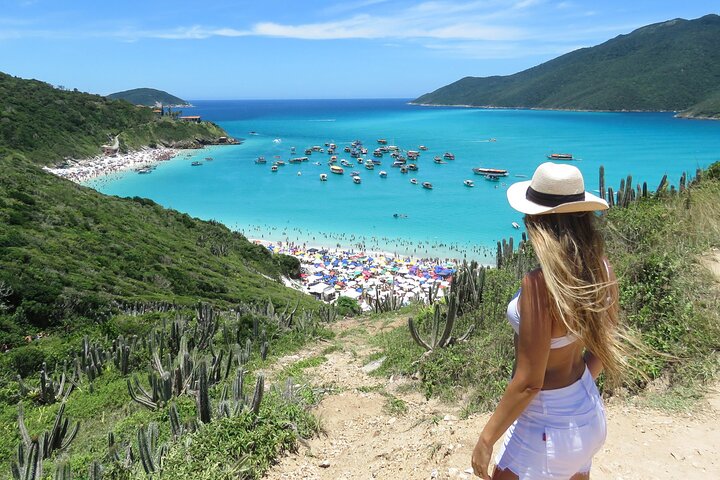
Rio de Janeiro sweeps between mountains and ocean, a city of famous beaches, granite peaks, samba rhythms and a carnival known around the world.
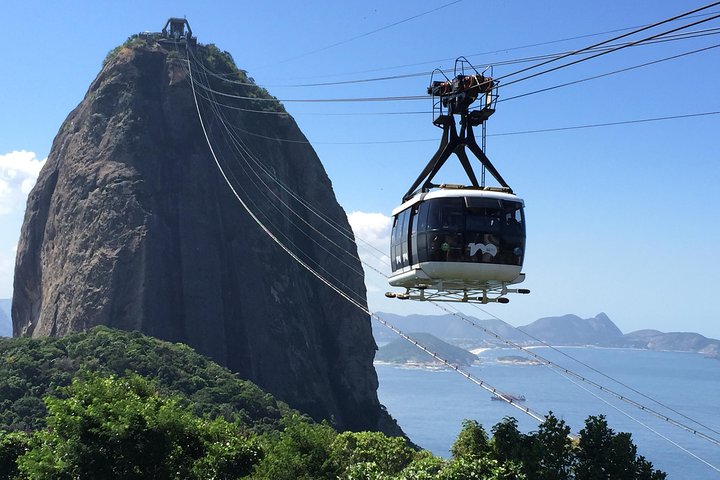
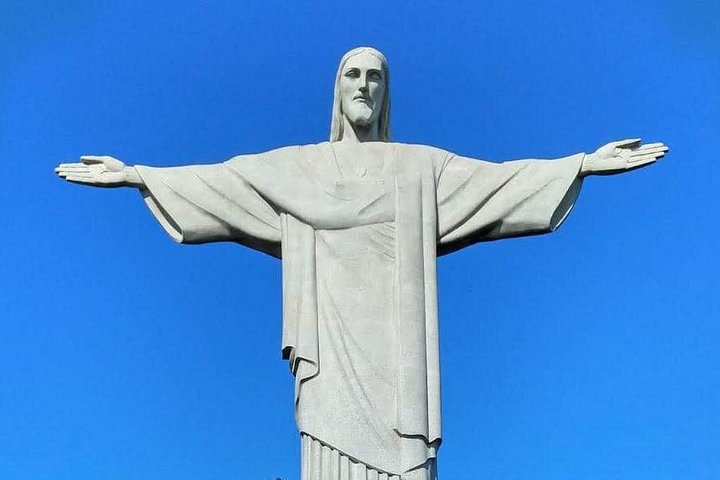
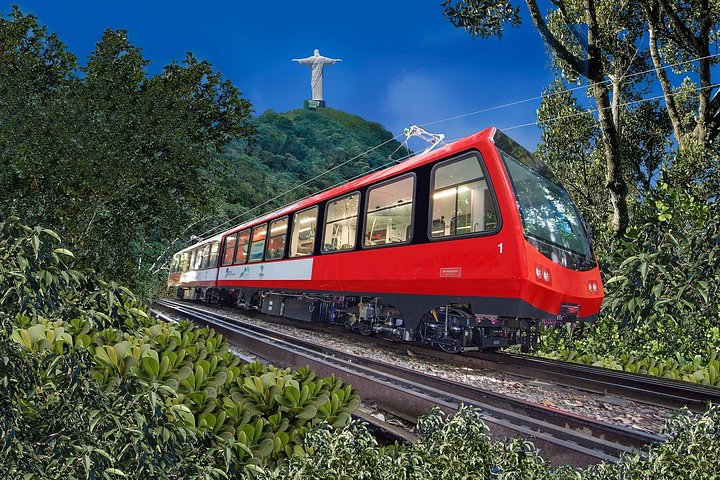
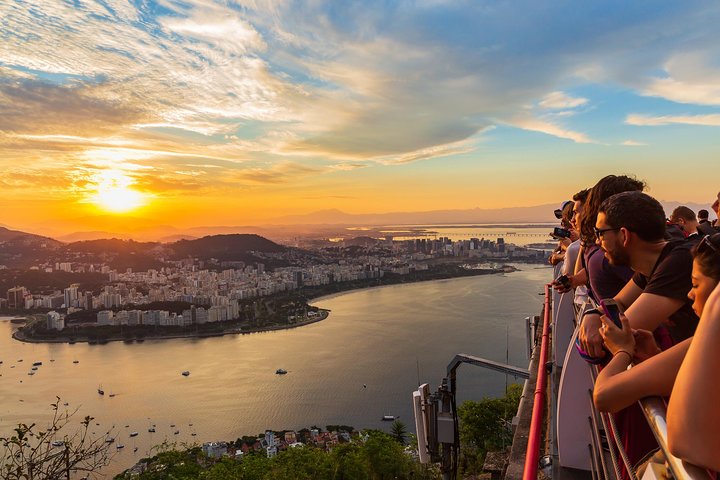
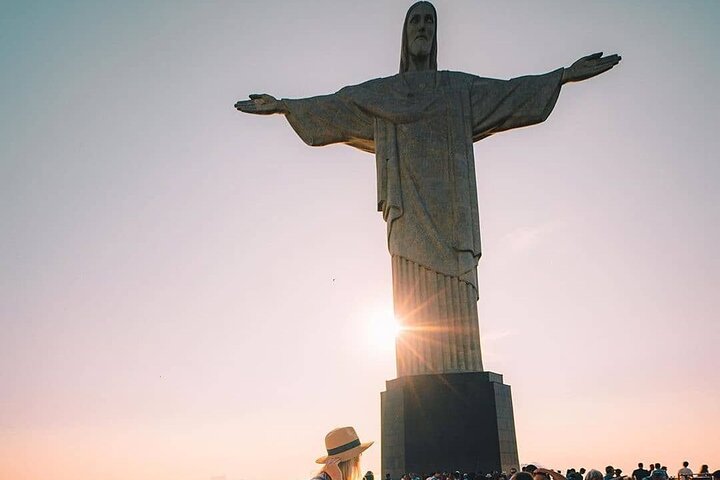
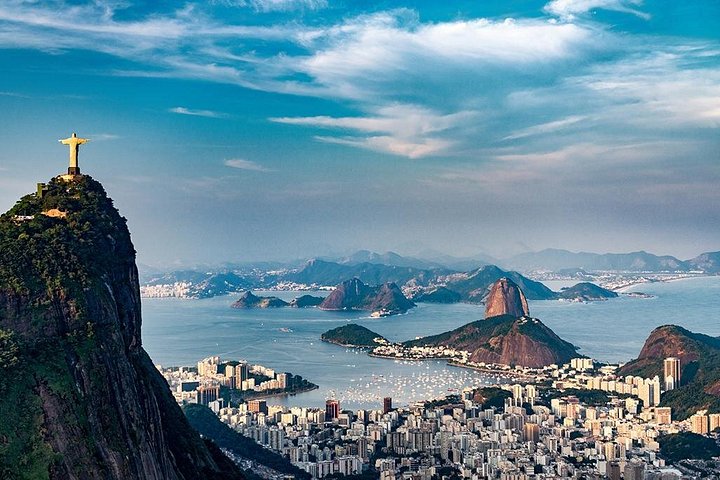
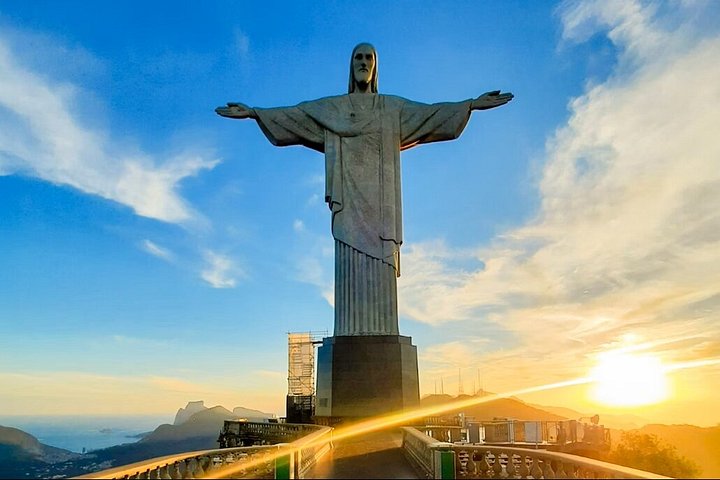
Christ the Redeemer stands with open arms atop Corcovado, looking down on the city, and cable cars climb Sugarloaf Mountain for views across Guanabara Bay. Below, the beaches of Copacabana and Ipanema are the stage for daily life, with volleyball, kiosks and the wave-patterned promenade, while Leblon and Arpoador extend the strip.
Top-ranked sights in Rio de Janeiro: Christ the Redeemer Statue (Cristo Redentor), Sugarloaf Mountain (Pao de Açúcar), Selarón Steps (Escadaria Selarón).
السعر قبل الخصم وبعده من المشغّل، لا منّا.
ابتداءً من46 US$37 US$
ابتداءً من84 US$79 US$
ابتداءً من102 US$97 US$
ابتداءً من130 US$124 US$
ابتداءً من84 US$79 US$

أضف Ticket Hall إلى الشاشة الرئيسية
تذاكر وأدلة مدن على بُعد نقرة واحدة، حتى دون اتصال.
Ticket Hall