خصم 15%إلغاء مجاني
Half Day East Bank Tour to Luxor and Karnak Temples (Private)
ابتداءً من21 US$18 US$
الأوصاف معروضة بالإنجليزية.
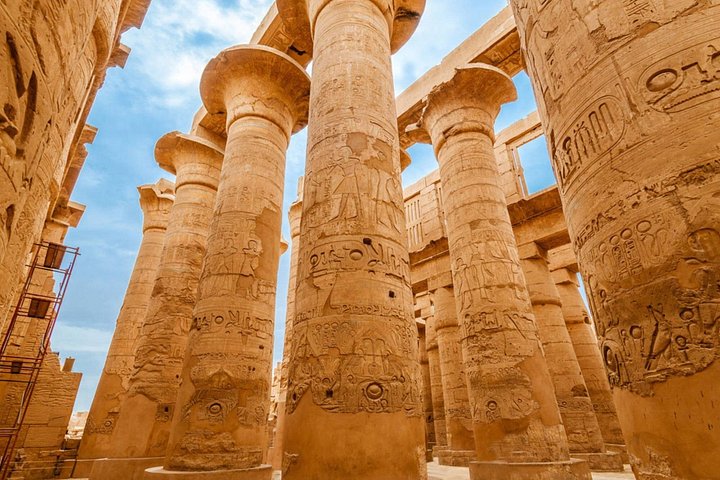
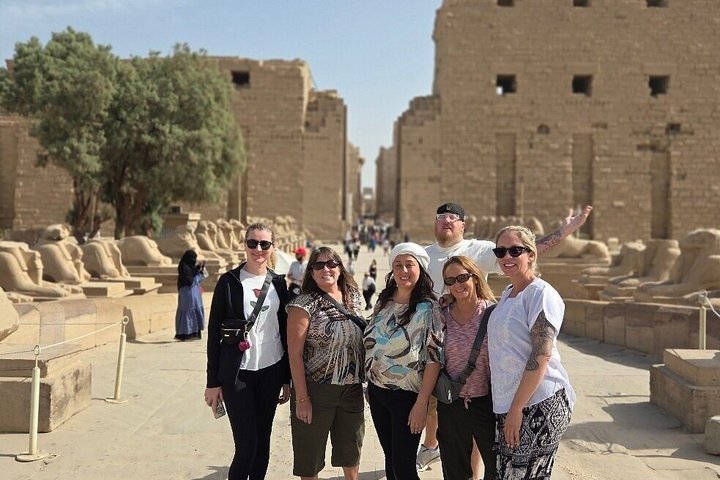
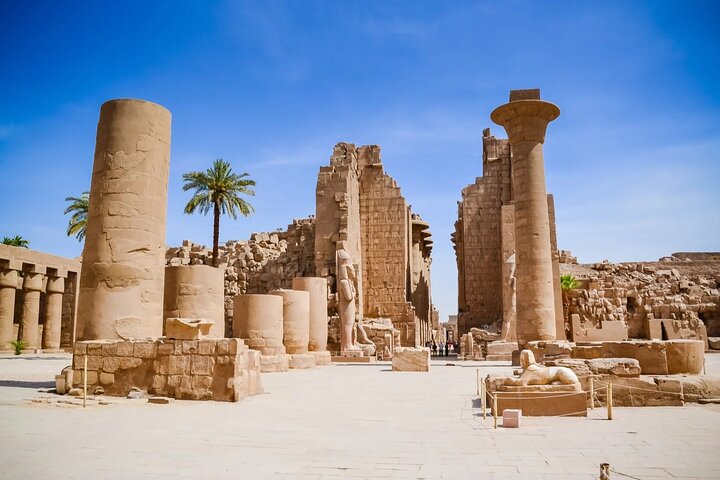
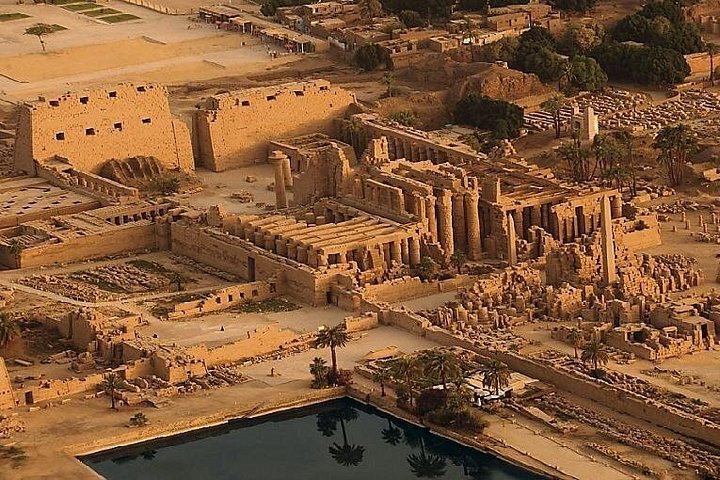
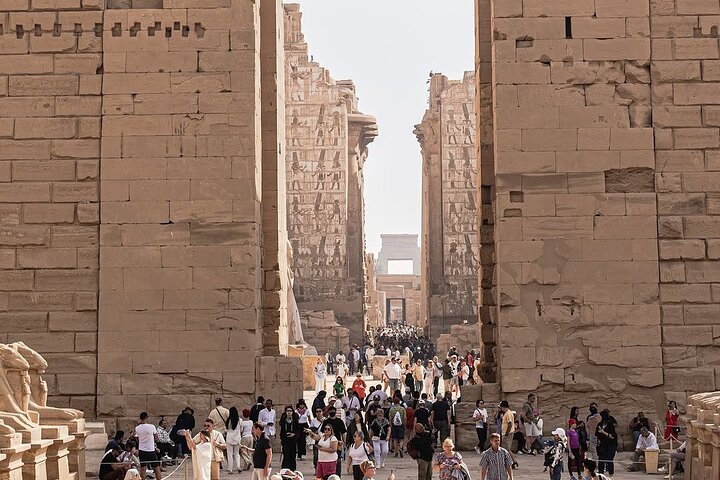
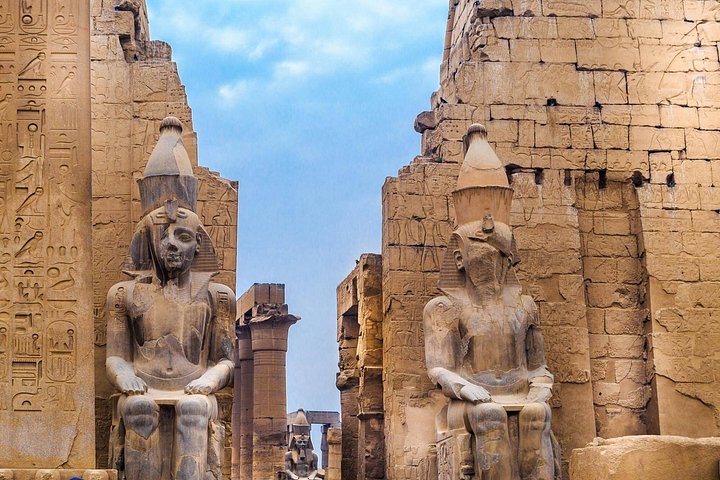
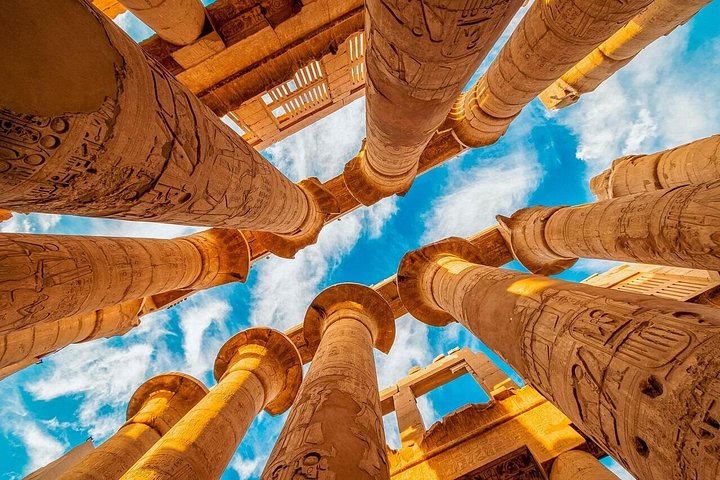
Explore the Grandeur of Karnak Temple: A Journey through Time Embark on an unforgettable journey to Karnak Temple, a testament to the grandeur of Egypt's New Kingdom. Marvel at the sheer magnitude of this vast temple complex, dedicated to the worship of the gods. Admire the intricate hieroglyphs, towering obelisks, and colossal statues that have stood the test of time. Let the mystique of Karnak Temple envelop you as you unravel the stories etched on its walls, transporting you back to a time of gods, pharaohs, and mysticism.
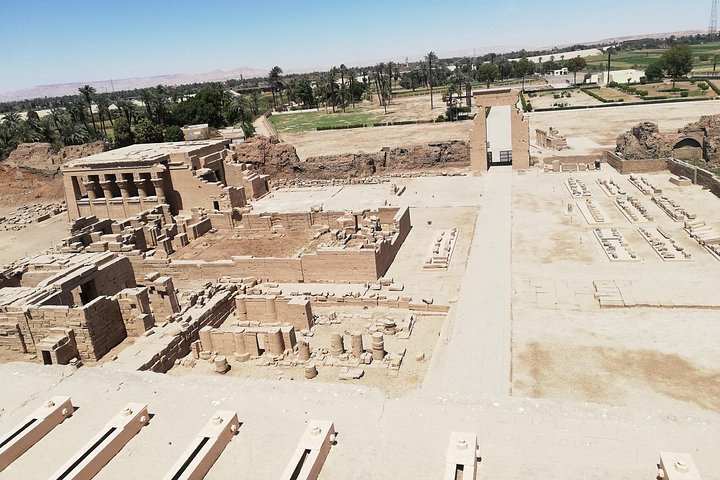
The Karnak Temple Complex, commonly known as Karnak (/ˈkɑːr.næk/), comprises a vast mix of temples, pylons, chapels, and other buildings near Luxor, Egypt. Construction at the complex began during the reign of Senusret I (reigned 1971–1926 BCE) in the Middle Kingdom (c. 2000–1700 BCE) and continued into the Ptolemaic Kingdom (305–30 BCE), although most of the extant buildings date from the New Kingdom. The area around Karnak was the ancient Egyptian Ipet-isut ("The Most Selected of Places") and the main place of worship of the 18th Dynastic Theban Triad, with the god Amun as its head. It is part of the monumental city of Thebes, and in 1979 it was added to the UNESCO World Heritage List along with the rest of the city. The Karnak complex gives its name to the nearby, and partly surrounded, modern village of El-Karnak, 2.5 kilometers (1.6 miles) north of Luxor.
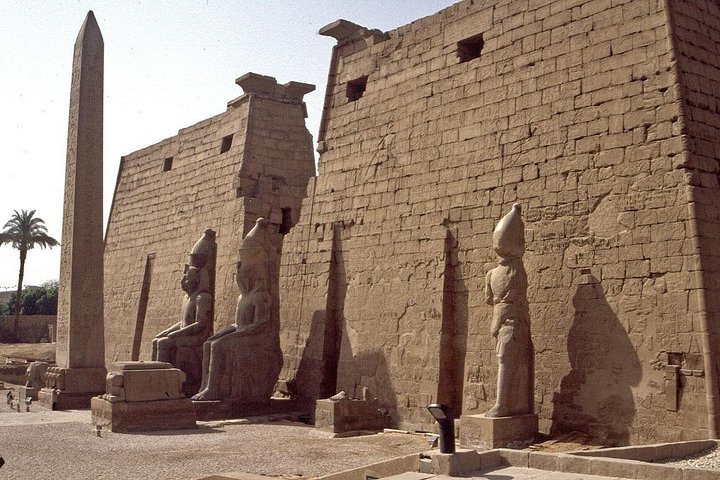
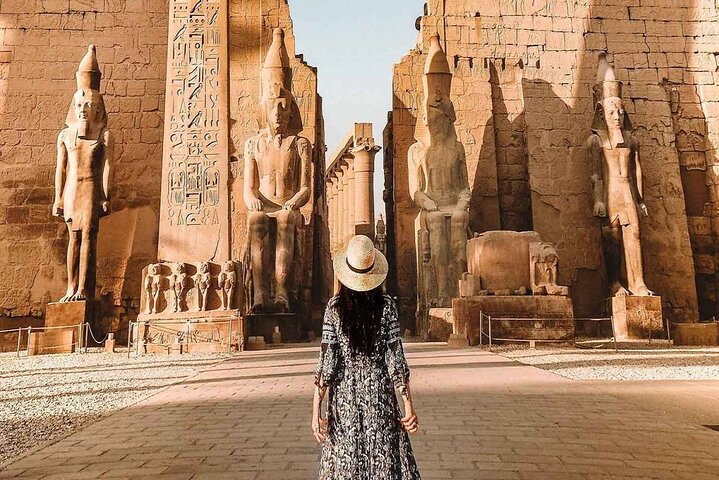
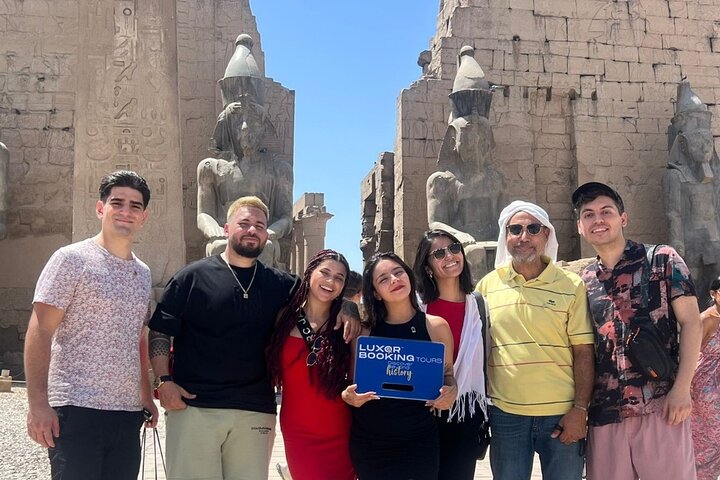
The Luxor Temple (Arabic: معبد الأقصر) is a large Ancient Egyptian temple complex located on the east bank of the Nile River in the city today known as Luxor (ancient Thebes) and was constructed approximately 1400 BCE. In the Egyptian language it was known as ipet resyt, "the southern sanctuary". It was one of the two primary temples on the east bank, the other being Karnak.[1] Unlike the other temples in Thebes, Luxor temple is not dedicated to a cult god or a deified version of the pharaoh in death. Instead, Luxor temple is dedicated to the rejuvenation of kingship; it may have been where many of the pharaohs of Egypt were crowned in reality or conceptually (as in the case of Alexander the Great, who claimed he was crowned at Luxor but may never have traveled south of Memphis, near modern Cairo).
إلغاء مجاني حتى 24 ساعة قبل بدء التجربة، مع استرداد كامل.
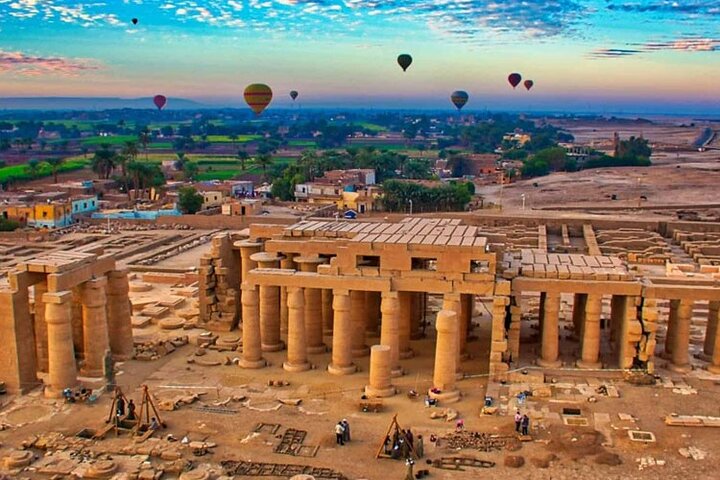
Luxor stands on the site of ancient Thebes, with vast temples on the Nile's east bank and the royal tombs of the Valley of the Kings across the river.
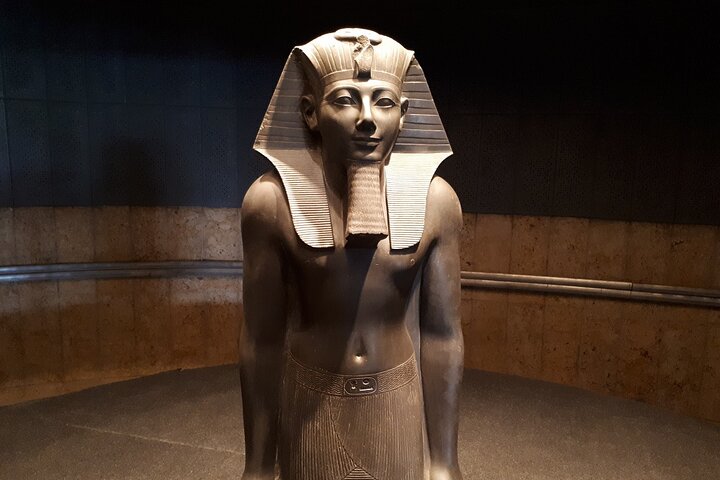
On the east bank, the Karnak temple complex spreads across acres of pylons, obelisks and the forest of columns in its Great Hypostyle Hall. An avenue of sphinxes links it to Luxor Temple in the town centre, which is especially atmospheric when lit up in the evening. The Luxor Museum and the Mummification Museum sit along the riverside corniche.
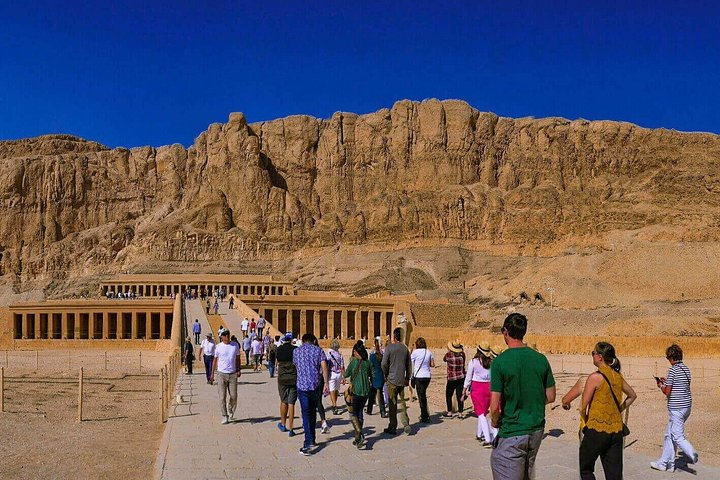
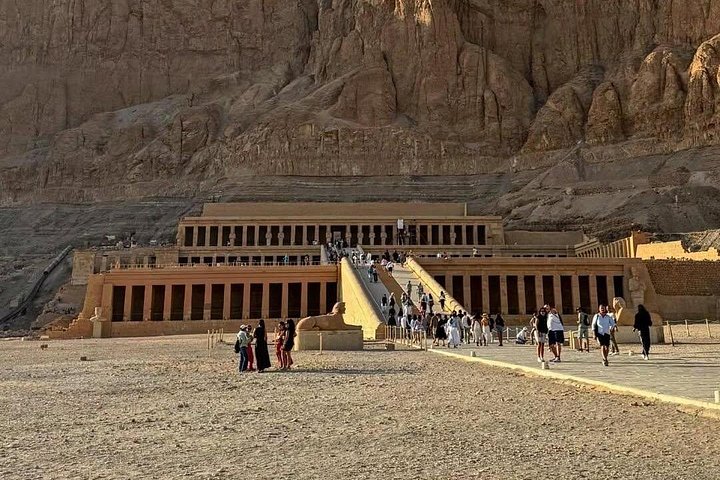
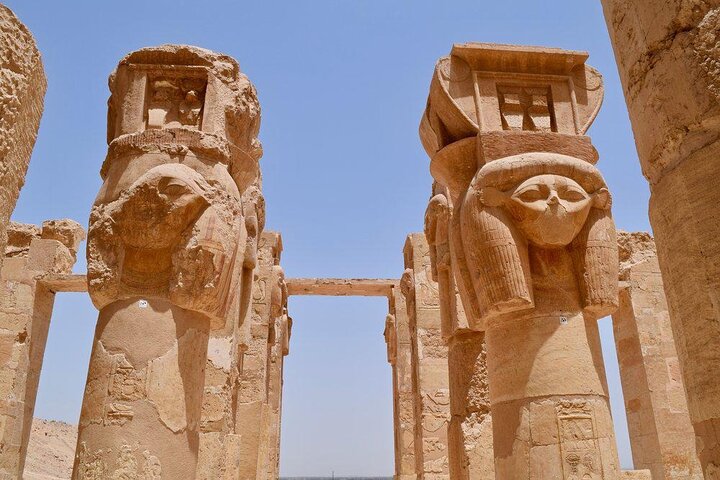
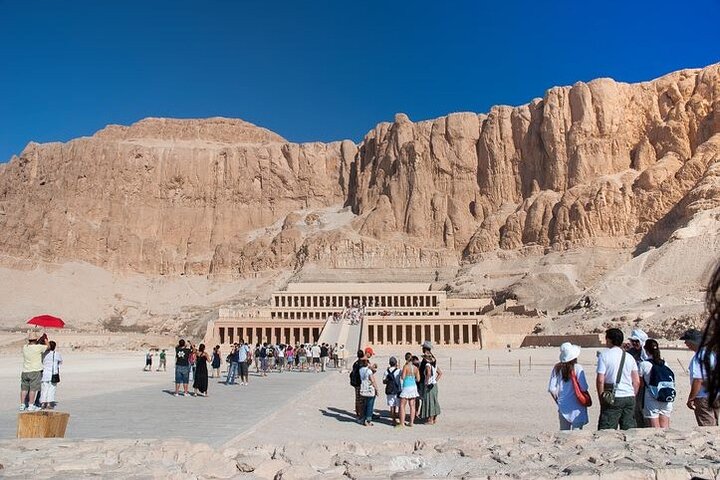
Top-ranked sights in Luxor: Valley of the Kings, Temple of Hatshepsut (at Deir el-Bahari), Colossi of Memnon.
السعر قبل الخصم وبعده من المشغّل، لا منّا.
ابتداءً من21 US$18 US$
ابتداءً من101 US$91 US$
ابتداءً من46 US$41 US$
ابتداءً من120 US$84 US$
ابتداءً من458 US$412 US$
ابتداءً من60 US$
ابتداءً من110 US$
ابتداءً من55 US$
ابتداءً من102 US$
أضف Ticket Hall إلى الشاشة الرئيسية
تذاكر وأدلة مدن على بُعد نقرة واحدة، حتى دون اتصال.
Ticket Hall