خصم 5%إلغاء مجاني
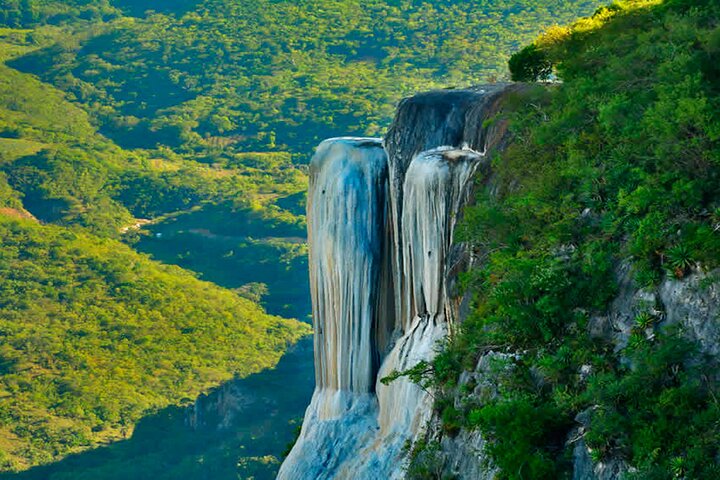
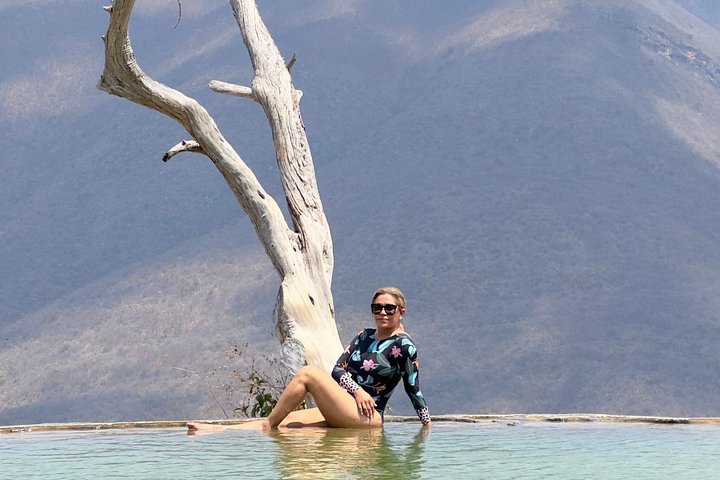
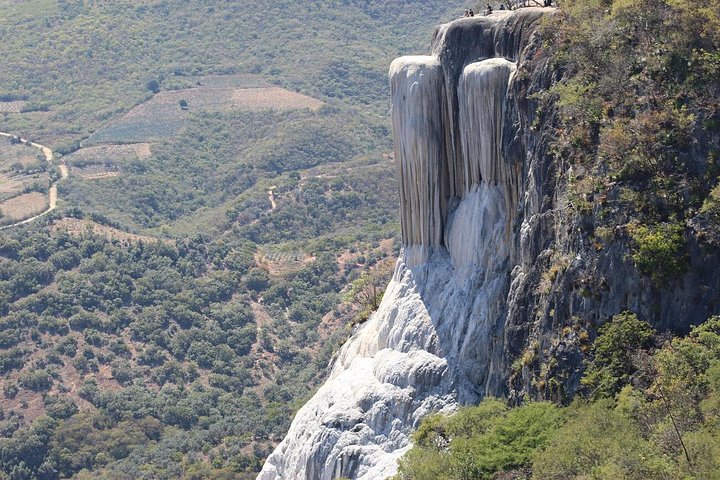
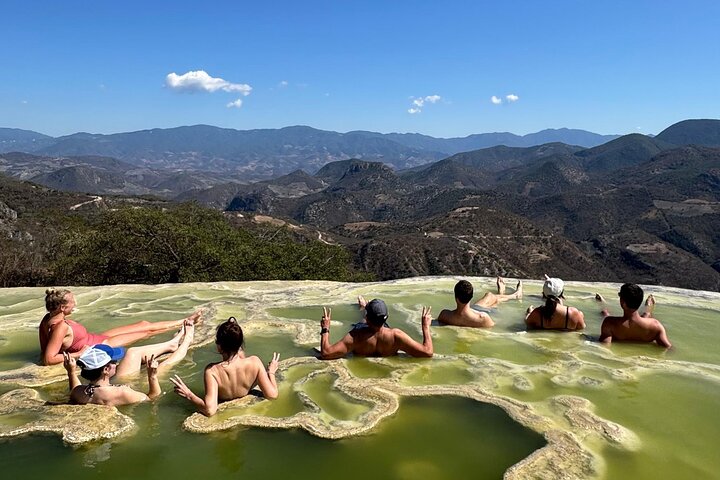
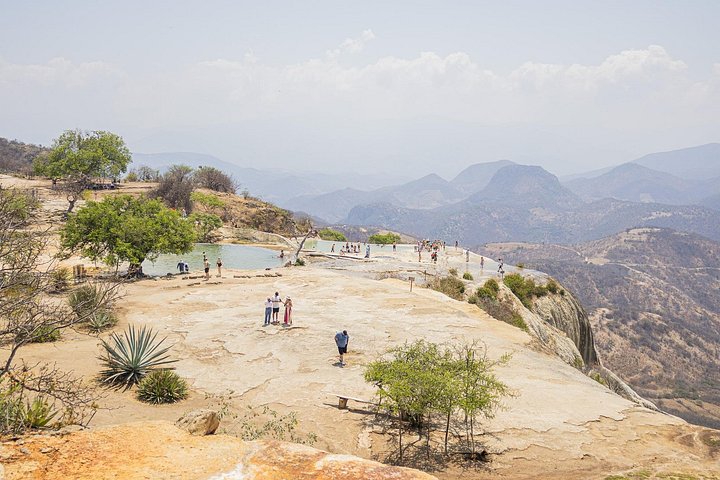
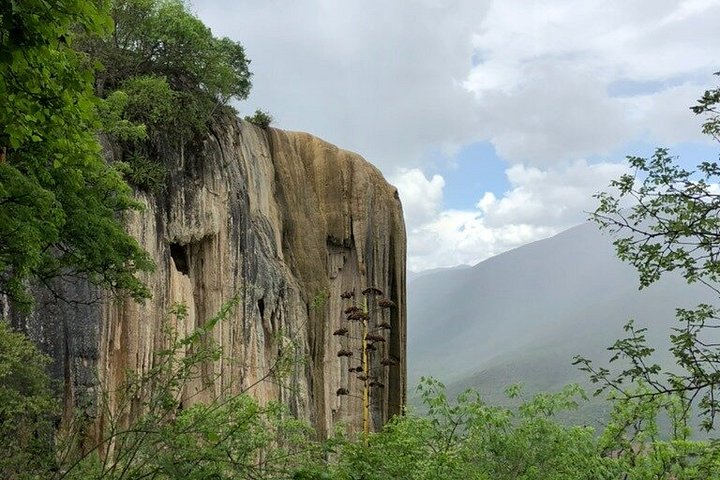
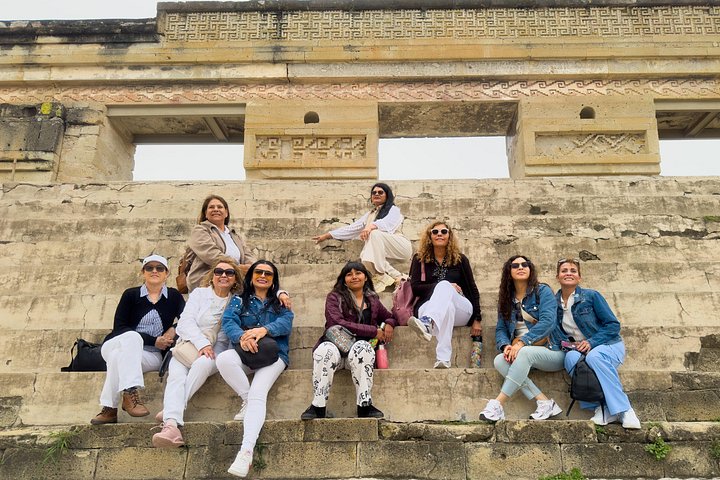
full day tour : Hierve el Agua, Teotitlan, Mezcal, el tule and Mitla
ابتداءً من44 US$42 US$
الأوصاف معروضة بالإنجليزية.
الأوصاف مقدَّمة من المشغّل ومترجمة آليًا.
San Jacinto Amilpas and Santa María Atzompa transform into scenes of absolute mysticism during the Day of the Dead festival. This experience allows visitors to tour pantheons lit by thousands of candles and participate in the traditional vigils where local families honor their ancestors among cempasúchil flowers and copal, this event takes place on October 31, November 1 and 2 every year in Oaxaca. By joining this tour, travelers will gain firsthand knowledge of Zapotec cosmogony and the role of glazed pottery in ritual offerings. The activity offers memorable encounters with the community and the opportunity to witness the "alumbra" in an authentic setting, guaranteeing a deep and respectful cultural immersion. This experience is aimed at culture enthusiasts, photographers, and curious travelers who seek to connect with the roots of Oaxaca outside of the conventional routes.
**Visit to the Marigold Field (Cempasúchil)** This visit to the *cempasúchil* (marigold) flower field offers a professional perspective on the ethnobotany and profound ritual symbolism of the "Flower of the Dead." We will analyse its cultivation, its ceremonial use in the Day of the Dead *ofrendas* (altars), and its role as the "path" that guides ancestors. An opportunity to understand the tangible link between the land, material culture, and the worldview of one of Mexico's most iconic celebrations.
**Visit to the Bakery** We'll analyse the history of the ***pan de muerto*** (bread of the dead), exploring its pre-Hispanic origin and its evolution into a central element of the Day of the Dead *ofrendas* (altars). This bakery session isn't just a tasting; it's an analysis of the ritual symbolism and material culture that defines Mexico's relationship with memory and life.
This experience focuses on the preparation of the season's ritual foods (mole, *atole*, rice, and *tamales*), which are essential for the Day of the Dead table and *ofrenda* (offering). Using a professional approach, we will explore the ritual symbolism of each ingredient and technique, understanding how these recipes represent Mexico's heritage, *mestizaje* (cultural mixing), and profound gastronomic tradition. This is an opportunity to master the culinary practice and comprehend the material culture and corpus of knowledge transmitted through food.
This session will guide you through the preparation and decoration of the Altar of the Dead (*Altar de Muertos*), step by step. We shall analyse the ritual symbolism and material culture behind every level, element, and object placed: from the use of the *cempasúchil* flower and the *pan de muerto* (bread of the dead), to the arrangement of photographs and favourite foods. Gain a deep understanding of this Mexican tradition as a complex belief system and a tangible offering to memory. A professional perspective to unravel the authentic meaning of the celebration.
This lunchtime goes beyond mere tasting: it's an analysis of the **material culture** that converges in fundamental dishes such as *tamales*, *mole*, and rice with chicken, hot chocolate, and seasonal bread. We'll explore the **ritual symbolism** and heritage of each ingredient, understanding how this selection of foods forms a **corpus of knowledge** and a pillar of gastronomic tradition. A professional session to comprehend the historical and emotional significance of the flavours that define ancestral cuisine and community life in Mexico.
إلغاء مجاني حتى 24 ساعة قبل بدء التجربة، مع استرداد كامل.
5.0
التقييمات مبنية على 2 مراجعة جمعها شريك الحجز لدينا. وهي كلمات المسافرين أنفسهم بالترتيب الذي كُتبت به، ولا يُعاد ترتيبها لتجميل التجربة.
Oaxaca City is the colonial capital of Oaxaca state, a stone-built highland city of markets, mole, mezcal and Zapotec ruins nearby.
Oaxaca de Juárez sits in a high valley at about 1,500 metres, its centre built of pale green stone around a shaded zócalo. The baroque church of Santo Domingo, with its gilded interior, and the attached former convent, now a cultural museum, are the grandest sights. Streets run with market stalls, painted walls and courtyard cafés, and the historic centre is a UNESCO World Heritage Site.
السعر قبل الخصم وبعده من المشغّل، لا منّا.
ابتداءً من44 US$42 US$

ابتداءً من39 US$37 US$
ابتداءً من29 US$26 US$
ابتداءً من29 US$26 US$
ابتداءً من22 US$20 US$
ابتداءً من44 US$42 US$
ابتداءً من39 US$37 US$
أضف Ticket Hall إلى الشاشة الرئيسية
تذاكر وأدلة مدن على بُعد نقرة واحدة، حتى دون اتصال.
Ticket Hall