خصم 10%إلغاء مجاني
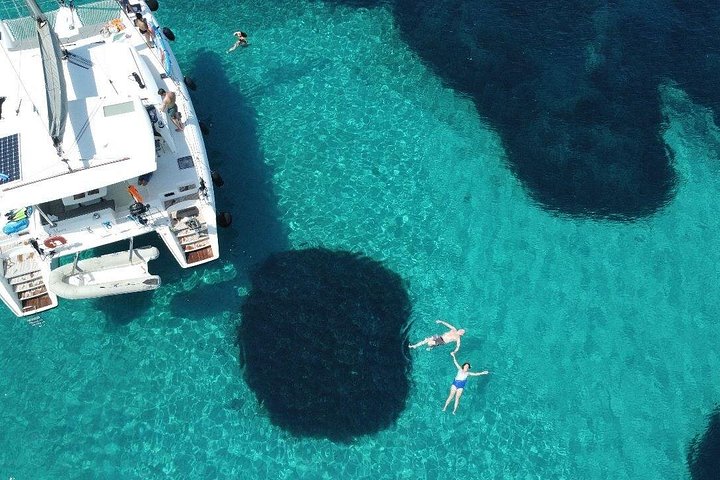
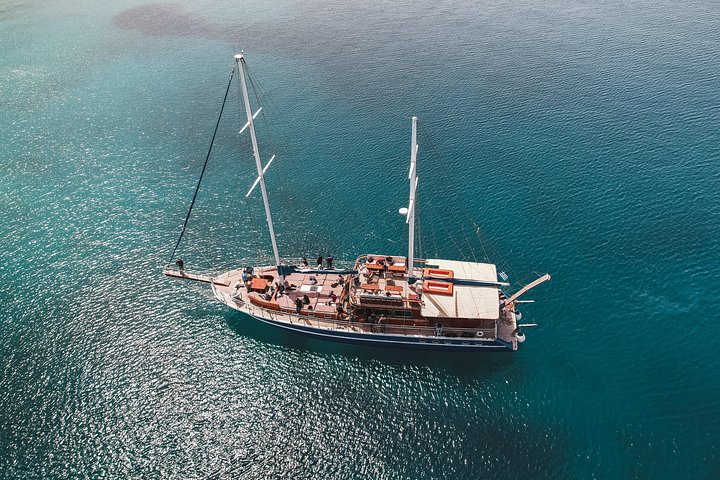
All Day Cruise -3 Islands to Agistri,Moni, Aegina with lunch and drinks included
ابتداءً من171 US$153 US$
الأوصاف معروضة بالإنجليزية.
A great suggestion if you have an extra day in Athens! This full day private tour of Argolis is a trip to some of the most important archaeological sites of Greece! In the most characteristic Greek-Mediterranean scenery of Peloponesse!
The Corinth Canal is one of the oldest man-made canals in the world and a very important navigational route in Greece, connecting the Gulf of Corinth with the Saronic Gulf. The canal’s position, thereby also separates the peninsula of Peloponnese – conveniently converting it into an island – with the Greek mainland. And, while the Greece canal is quite narrow, it is a fact that the canal is a vital lifeline for ships wanting to enter the Aegean Sea. Spanning a distance of 6.3 kilometres, the Corinth Canal has a depth of 26 feet and its width alters between a minimum of 69 feet and a maximum of 82 feet at the bottom and at the surface respectively. Surrounded by walls standing at a height of 170 feet, the canal helps a ship to save a journey of 185 nautical miles.
UNESCO World Heritage List The theatre of Epidaurus represents the finest and best-preserved example of a classical Greek theatre. It was built in 330-20 BC and enlarged in the mid-2nd century AD. The overall 55 rows of seats rest on a natural slope and face the stage area set against a backdrop of lush landscape. The theatre is famous for its fantastic acoustics. Any sound on the open-air stage, whether a stentorian voice or a whisper, a deep breath or the sound of a match struck is perfectly audible to all spectators, even in the topmost row of seats, that is, nearly 60 m away!!
UNESCO World Heritage List In the peaceful hinterland of Epidaurus, with its mild climate and abundant mineral springs, is the sanctuary of the god-physician Asklepios, the most famous healing centre of the Greek and Roman world. The sanctuary belonged to the small coastal town of Epidaurus, but its fame and recognition quickly spread beyond the limits of the Argolid. It is considered the birthplace of medicine and is thought to have had more than two hundred dependent spas in the eastern Mediterranean. Its monuments, true masterpieces of ancient Greek art, are a precious testimony to the practice of medicine in antiquity. Indeed they illustrate the development of medicine from the time when healing depended solely on the god until systematic description of cases and the gradual accumulation of knowledge and experience turned it into a science.
The museum is located in the archaeological site of the sanctuary of Asclepius. It hosts architectural parts from the temple and the buildings of the shrine, as well as inscribed columns and pedestals, altars, bronze medical equipment, sculpted votive offerings and tablets, representations of the Asclepius temple (4th c. BC), and sections of the Tholos.
One of the most beautiful towns in the area of Argolis (in eastern Peloponnese) as well as one of the most romantic cities all over Greece, Nafplio was the first capital of the newly born Greek state between 1823 and 1834. According to mythology, the town was founded by Nafplios, the son of god Poseidon and the daughter of Danaus (Danaida) Ancient walls, medieval castles, monuments and statues, Ottoman fountains and Venetian or neoclassical buildings mesmerize the visitor with their unique architecture and beauty!
Mycenae, the legendary kingdom of the Atreides, is situated upon a small hill-top on the road leading from the Argolic Gulf to the north (Corinth, Athens, etc.). The site was inhabited since the Neolithic times (about 4000 BC) but reached its peak during the Late Bronze Age (1350-1200 BC), giving its name to a civilization which spread throughout the Greek world. During that period, the acropolis was surrounded by massive "cyclopean walls", built in three stages (ca.1350, 1250 and 1225 BC), with the exception of the SE flank where a steep ravine provided natural defense. A palace was built on the summit of the hill, while towards the Argolic plain lay the wall-painted "Cult Center", the main gate or "Lion Gate" and the "Grave Circle A", the burial ground of the Mycenaean royalty. On the NE side, a tunnel leading to a subterranean fountain was built in "cyclopean" masonry in around 1225 BC.
The Treasury of Atreus or Tomb of Agamemnon is a large tholos or beehive tomb on Panagitsa Hill at Mycenae, Greece, constructed during the Bronze Age around 1250 BC. The stone lintel above the doorway weighs 120 tons, with approximate dimensions 8.3 x 5.2 x 1.2m, the largest in the world.
The Museum is actually built in the archaeological site of Mycenae and can be easily visited after a tour of the archaeological site.
إلغاء مجاني حتى 24 ساعة قبل بدء التجربة، مع استرداد كامل.
5.0
التقييمات مبنية على 53 مراجعة جمعها شريك الحجز لدينا. وهي كلمات المسافرين أنفسهم بالترتيب الذي كُتبت به، ولا يُعاد ترتيبها لتجميل التجربة.
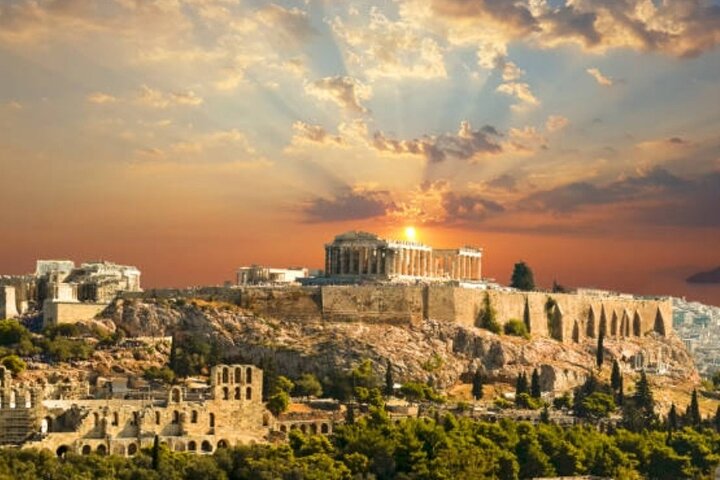
Athens sets the Acropolis above a sprawling modern capital, where ancient ruins, hillside lanes and long taverna evenings sit side by side.
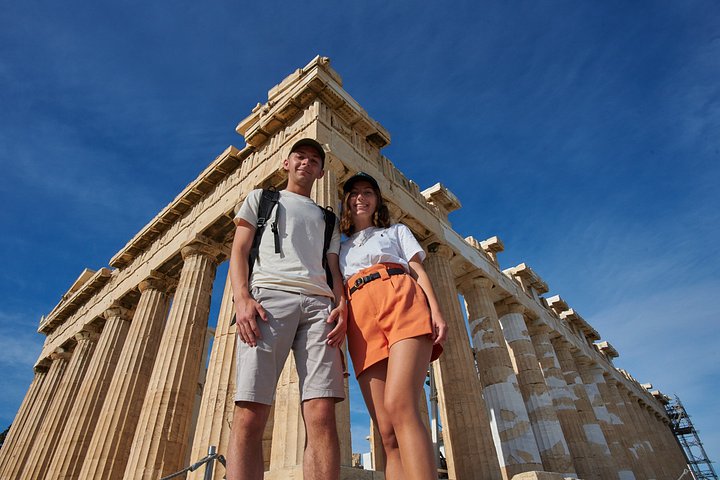
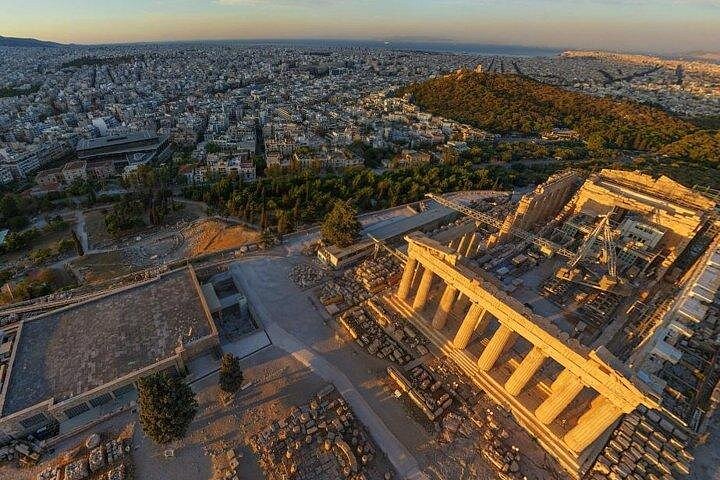
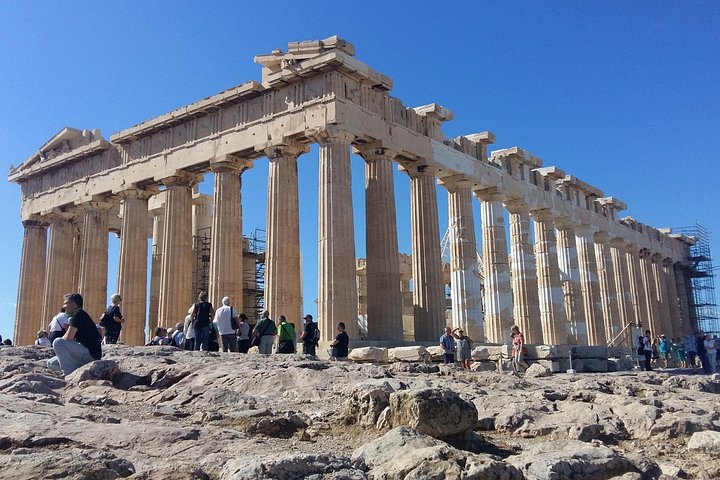
The Parthenon crowns the Acropolis, flanked by the Erechtheion and its porch of caryatids, and the Acropolis Museum at the foot of the hill displays sculpture found on the rock. Around it, the Ancient Agora, the Temple of Olympian Zeus, Hadrian's Arch and the marble Panathenaic Stadium make the classical city easy to walk through.
Top-ranked sights in Athens: Acropolis, Parthenon, Acropolis Museum.
السعر قبل الخصم وبعده من المشغّل، لا منّا.
ابتداءً من171 US$153 US$
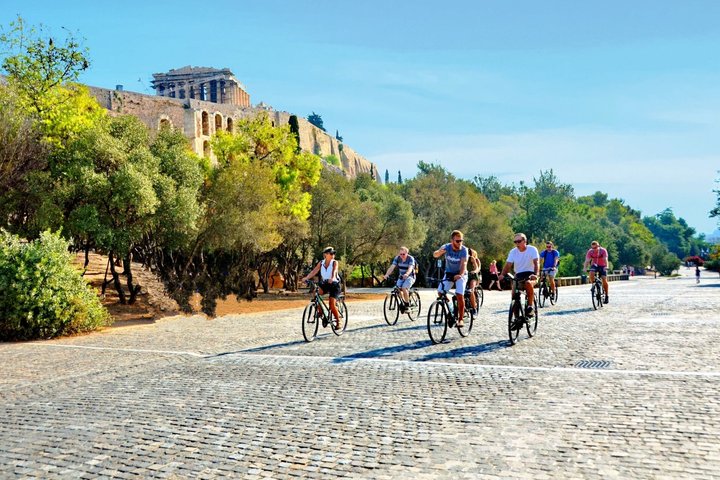
ابتداءً من37 US$33 US$
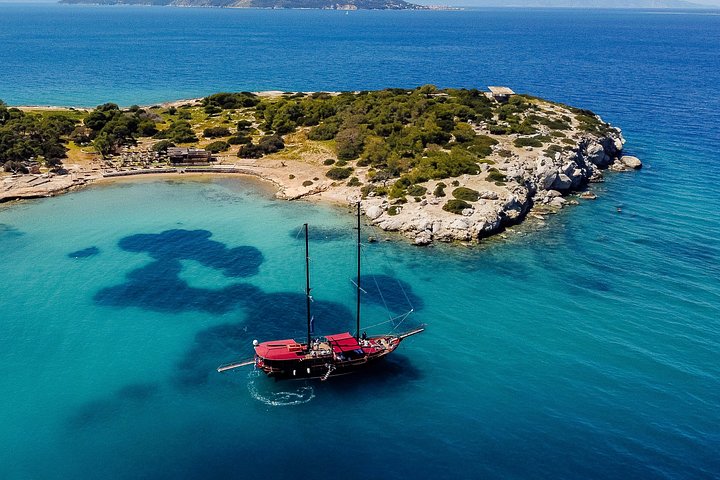
ابتداءً من151 US$144 US$
ابتداءً من154 US$138 US$
ابتداءً من149 US$134 US$
ابتداءً من171 US$153 US$
ابتداءً من37 US$33 US$
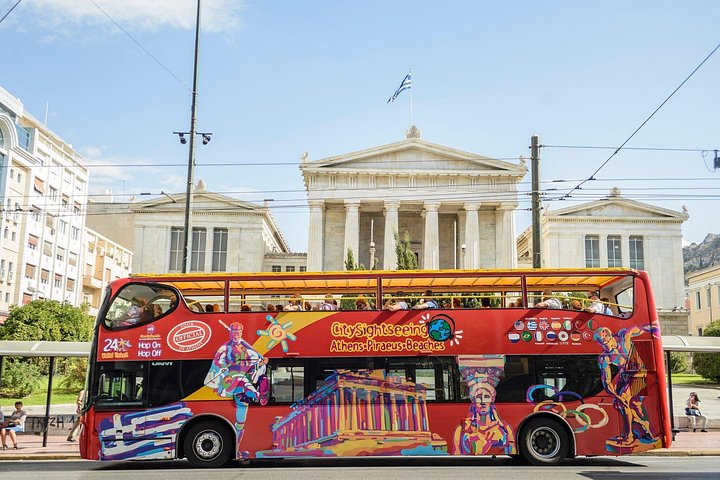
ابتداءً من2,277 US$
أضف Ticket Hall إلى الشاشة الرئيسية
تذاكر وأدلة مدن على بُعد نقرة واحدة، حتى دون اتصال.
Ticket Hall