خصم 10%إلغاء مجاني
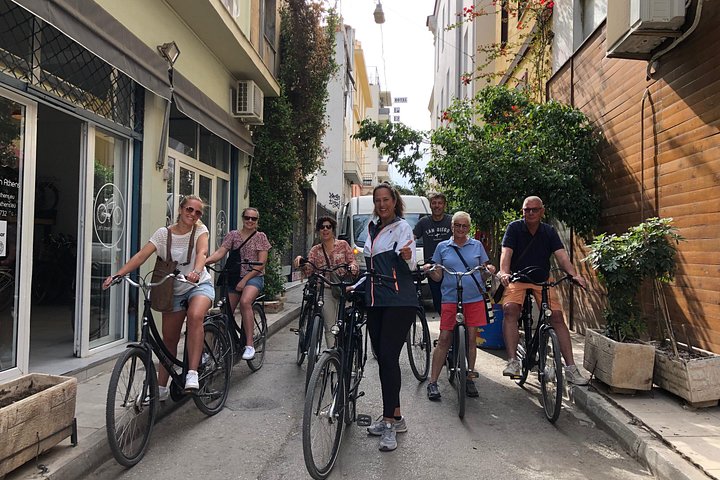
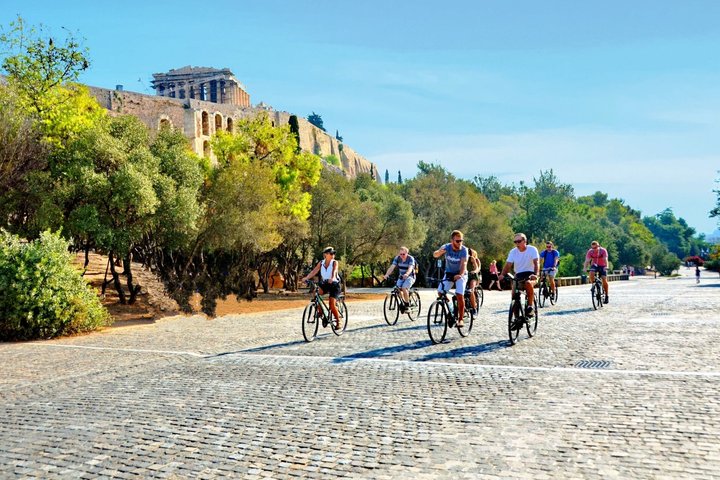
Athens Scenic Bike Tour with Regular or Electric Bike + Acropolis
ابتداءً من37 US$33 US$
الأوصاف معروضة بالإنجليزية.
The audio guide is your convenient mobile companion for a self-guided tour of Athens. This tour is specially designed for exploring the city in a relatively short timespan of 2–2.5 hours. Follow the route on the map in the app to walk around the Acropolis, passing by the city's main attractions. Tour highlights include: Propylaea of the Acropolis and the Temple of Athena Nike, Acropolis Museum, Zappeion Hall, Socrates' Prison, The oldest church in Athens, Numerous ruins from Antiquity. The tour includes 25 points of interest. All stories are crafted by professional journalists and historians, with a touch of humor and a passion for travel. Once the tour is downloaded, you can access it offline. We recommend using headphones for better sound quality. Enjoy engaging stories and legends at your own pace, without a need to keep up with a group. Feel free to pause anytime to take a break at a café or wander down a picturesque alley before continuing your exploration.
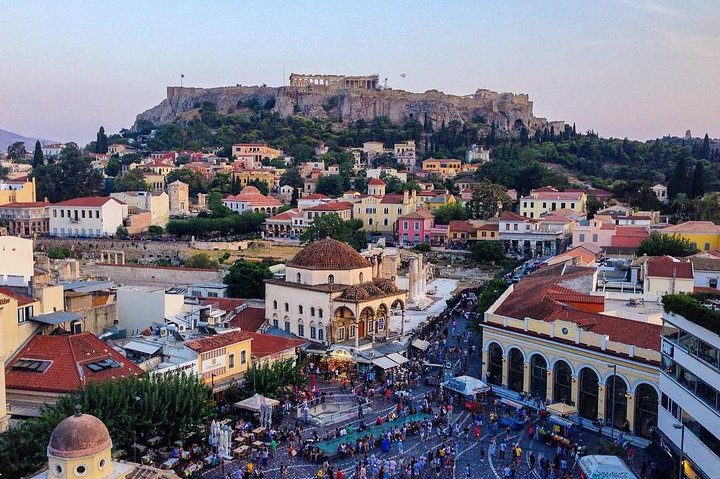
Monastiraki Square, known locally in Greek as Πλατεία Μοναστηρακίου (Plateia Monastirakiou), is one of the busiest historic squares in Athens. Its name comes from the “little monastery” that once stood here. Surrounded by the metro station, the flea market, Ottoman-era monuments, and views of the Acropolis, the square reflects the layered history and everyday energy of the city.
The Temple of Hephaestus, known locally in Greek as Ναός του Ηφαίστου (Naos tou Ifaistou), is one of the best-preserved ancient temples in Greece. Built in the 5th century BC in the Ancient Agora of Athens, it was dedicated to Hephaestus, god of metalworking and craftsmanship. Its Doric columns and sculpted decoration reflect the power, skill, and civic life of Classical Athens.
The Stoa of Attalos, known locally in Greek as Στοά του Αττάλου (Stoa tou Attalou), is a reconstructed ancient colonnade in the Agora of Athens. Originally built in the 2nd century BC by King Attalos II of Pergamon, it served as a covered commercial and social space. Today, it houses the Museum of the Ancient Agora and reflects the public life of Classical and Hellenistic Athens.
Hadrian’s Library, known locally in Greek as Βιβλιοθήκη του Αδριανού (Vivliothiki tou Adrianou), was built in the 2nd century AD by the Roman emperor Hadrian. Located near Monastiraki, it once formed a grand complex with reading rooms, lecture halls, gardens, and a central courtyard. Its surviving columns and walls reflect Athens’ role within the Roman Empire.
The Roman Agora, known locally in Greek as Ρωμαϊκή Αγορά (Romaiki Agora), was the commercial and civic centre of Roman Athens. Built in the 1st century BC with support from Julius Caesar and Augustus, it replaced parts of the older Greek Agora. Its gates, columns, shops, and monuments reflect the city’s transformation under Roman rule.
Benizelos Mansion, known locally in Greek as Αρχοντικό Μπενιζέλου (Archontiko Benizelou), is one of the oldest surviving houses in Athens. Dating from the Ottoman period, it belonged to the Benizelos family and is linked with Saint Philothei, a 16th-century Athenian noblewoman and philanthropist. Its courtyard, wooden galleries, and domestic rooms preserve a rare image of pre-modern Athenian life.
Mitropoleos Street, known locally in Greek as Οδός Μητροπόλεως (Odos Mitropoleos), is one of the central streets of historic Athens. It links Syntagma Square with Monastiraki and takes its name from the Metropolitan Cathedral of Athens. Lined with shops, churches, cafés, and neoclassical façades, the street reflects the city’s mix of religious, civic, and commercial life.
The Tomb of the Unknown Soldier, known locally in Greek as Μνημείο του Άγνωστου Στρατιώτη (Mnimeio tou Agnostou Stratioti), stands in front of the Hellenic Parliament on Syntagma Square. Created in the 1930s, it honours Greek soldiers who died in war. The monument’s relief figure, inscriptions, and ceremonial guard reflect national memory, sacrifice, and the symbolic centre of modern Athens.
The sundial, known locally in Greek as ηλιακό ρολόι (iliako roloi), reflects the ancient use of sunlight to measure time. In Athens, such instruments are closely linked with the scientific culture of the Greek and Roman periods. Their markings, shadows, and alignment show how astronomy, daily rhythm, and public life were connected in the ancient city.
The Zappeio Roman Baths, known locally in Greek as Ρωμαϊκά Λουτρά Ζαππείου (Romaika Loutra Zappeiou), are remains of a bath complex from Roman Athens. Located near the National Garden and the Zappeion, they reveal part of the city’s daily life under Roman rule. Their walls, rooms, and heating system traces reflect ancient habits of hygiene, leisure, and social gathering.
The Zappeion, known locally in Greek as Ζάππειον Μέγαρο (Zappeion Megaro), is a grand neoclassical building beside the National Garden of Athens. Completed in the late 19th century, it was created as part of Greece’s modern Olympic vision. Its columned façade, circular atrium, and ceremonial halls reflect the revival of ancient ideals in the modern Greek state.
The Panathenaic Stadium, known locally in Greek as Παναθηναϊκό Στάδιο (Panathinaiko Stadio) or Καλλιμάρμαρο (Kallimarmaro), is one of Athens’ most iconic ancient sites. Built on the place of an earlier stadium and rebuilt in marble in the 2nd century AD, it hosted the first modern Olympic Games in 1896. Its white marble tiers connect ancient athletic traditions with the revival of the Olympics.
إلغاء مجاني حتى 24 ساعة قبل بدء التجربة، مع استرداد كامل.
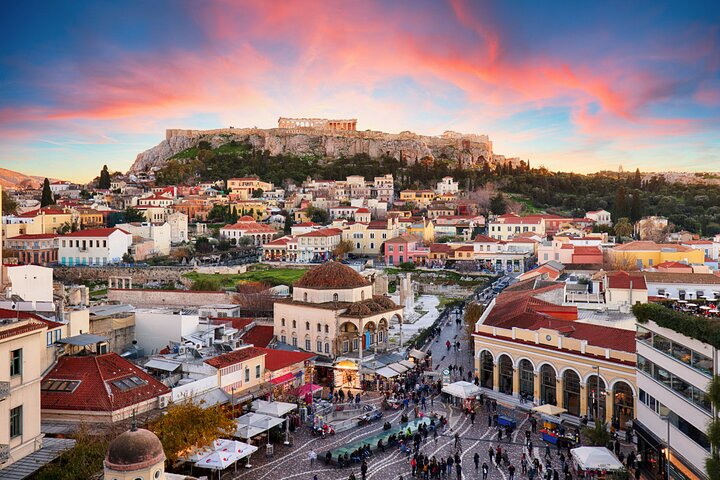
Athens sets the Acropolis above a sprawling modern capital, where ancient ruins, hillside lanes and long taverna evenings sit side by side.
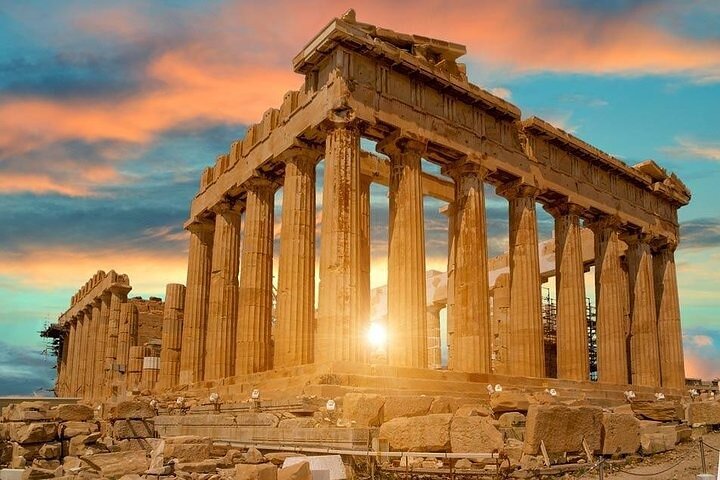
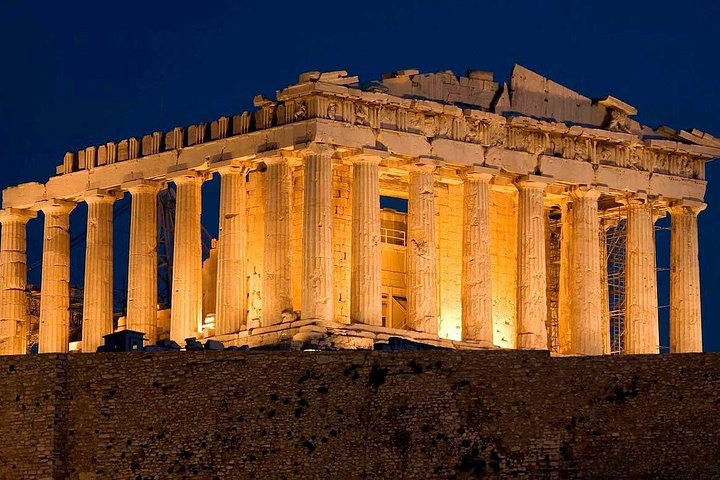
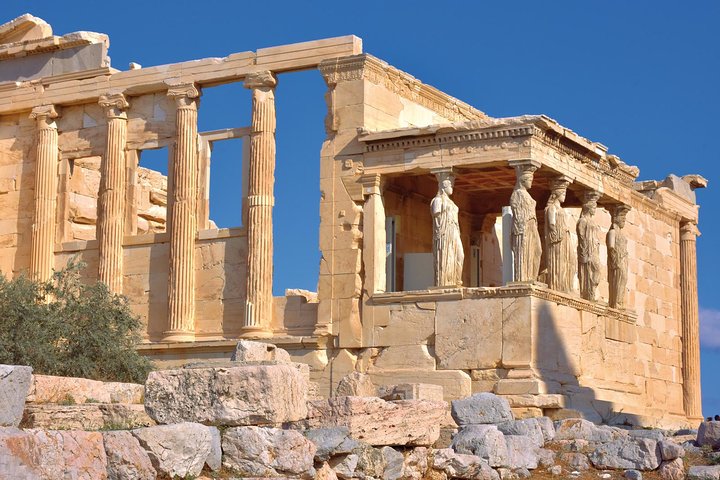
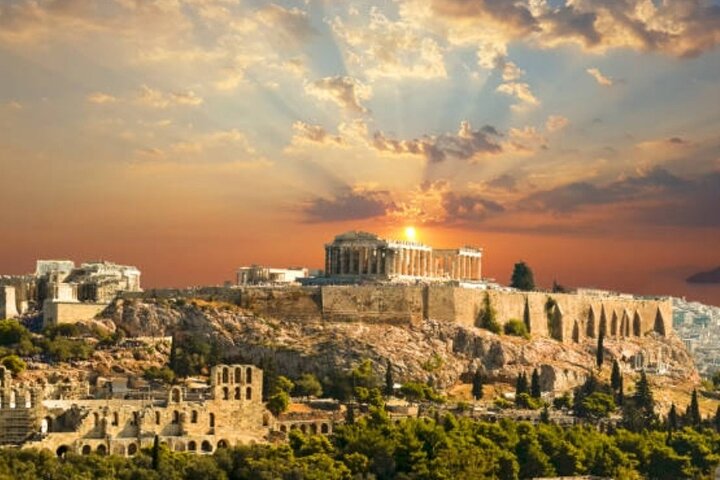
The Parthenon crowns the Acropolis, flanked by the Erechtheion and its porch of caryatids, and the Acropolis Museum at the foot of the hill displays sculpture found on the rock. Around it, the Ancient Agora, the Temple of Olympian Zeus, Hadrian's Arch and the marble Panathenaic Stadium make the classical city easy to walk through.
Top-ranked sights in Athens: Acropolis, Parthenon, Acropolis Museum.
السعر قبل الخصم وبعده من المشغّل، لا منّا.
ابتداءً من37 US$33 US$
ابتداءً من498 US$418 US$
ابتداءً من77 US$

ابتداءً من2,277 US$
أضف Ticket Hall إلى الشاشة الرئيسية
تذاكر وأدلة مدن على بُعد نقرة واحدة، حتى دون اتصال.
Ticket Hall