Tokyo "Discover all about samurai" half-day guided tour
描述以英文顯示。
- 4 小時
- 開始前 24 小時可免費取消
- 英文導覽
- 即時確認
亮點
Understanding the samurai is key to grasping Japan’s history and culture. They ruled for 700 years, and their values still shape modern Japanese society. This tour highlights both the sword—seen as the soul of the samurai—and their enduring ideals. You'll experience swordsmanship firsthand, watch a master’s live demonstration, and, if you opt for it, try cutting a rolled tatami mat with a real sword. At the sword museum, admire the artistry of Japanese swords, and at a sword shop, explore or purchase one with help from a guide. You’ll also visit a samurai-related site to learn about their values and legacy.
費用包含
包含項目
- Visit to a samurai related landmark
- Visit to a sword shop
- Admission ticket to the sword museum
- Swordsmanship experience at a dojo
不包含
- City train fare for about JPY500
行程
Experience Iaido, a dominant art of swordsmanship practiced by samurai. If you can imagine a samurai swiftly and deftly slicing a roll of straw mat, that is Iaido. After arriving at the Iaido dojo, change into a samurai attire with a sword. Learn from a master what Iaido is about, flow of experience, and actually slash a cardboard with a sword; not a roll of straw mat for your safety. You will have an option to buy a samurai attire and / or sword used in the experience. Observe solo demonstration of the master up close to marvel at his skill, which is especially impressive after your own experience. You will receive a certificate of completion at the end. We can arrange purchase of a sword or samurai attire used in the experience for those interested. All necessary arrangements can be made on the spot.
We will visit a former residence of one of feudal lords, subordinates to the shogun. Each feudal lord was in charge of ruling various regions of Japan as top-notch samurai. They typically had three residences in Edo, current Tokyo; then, the obvious question you would have is why they had three residences in Edo despite the fact that they governed rural areas. Using the question as the starting point, the guide will start demystifying who samurai was. The very first point, which is closely related to their having had residences in Edo, is the shogunate regime of which they were part. You will learn from the guide what they valued, ethical constraints they had, their daily regimen, and their life style thereby making your understanding of samurai wholistic rather than being mere swordsmen. The residence is a traditional Japanese garden; learn from the guide how the garden replicates the nature and its beauty just like others in Japan and what the top-notch samurai sought in them.
A Japanese sword has been venerated since ancient times as far more than just a weapon. In this museum located adjacent to the garden we have just visited, swords are displayed including ones designated as national treasures by the government. At the entrance of the museum, learn from the guide the traditional method to produce steel as a raw material for swords which has been used for over 1000 years. The technique is apparently "primitive and inefficient." The guide will ask you why the swordsmiths have adhered to it adamantly. It is totally counter-intuitive that the steel made that way transforms into works of art appreciated for generations and now globally. The guide will unlock the mystery before you step into the museum and marvel at their beauty as works of art. See the works of each age and school as well as those by best contemporary swordsmiths.
We will take you to a sword shop. The shop carries authentic Japanese swords and daggers; they are not souvenirs but real ones made to the traditional standards. You may want to buy a real sword there to take back home. Otherwise, you can just look around in the shop. In either case, the guide will help you as an interpreter in the shop. Note: In some rare cases, the sword shop attendants are not available due to travelling for purchase, etc. Then, we will do whatever is possible to make up for it including taking you to a substitute sword shop, setting up an appointment with the shop for your later visit, etc.
取消政策
體驗開始前 24 小時可免費取消,全額退款。
評價
5.0
- 55
- 40
- 30
- 20
- 10
評分來自我們的預訂合作夥伴所收集的 5 則評價。這些是旅客自己寫的話,依寫下的先後排列,絕不會為了好看而重新排序。
出發前須知
- 集合地點
- The meeting point is Exit A4 of Toei Asakusa Line Kuramae station (A17). Please step outside when you reach Exit A4. Your guide will be holding a sign reading, Arumachi. Toei Oedo Line has a station carrying the same name, Kuramae. You should get on Toei Asakusa Line but NOT on Toei Oedo Line
- 接送
- 所有人在出發地點集合,不提供接送。
- 票種
- Mobile or paper ticket accepted
- 團體人數
- 最多 10 人
- 營運業者
- Arumachi
- Infants are required to sit on an adult’s lap
- Not recommended for travelers with spinal injuries
- Not recommended for pregnant travelers
- Not recommended for travelers with poor cardiovascular health
- Travelers should have at least a moderate level of physical fitness
How it compares in Tokyo
- Its from-price is 76% above the median of the 4374 experiences we list in Tokyo.
- It is longer than most of them.
- By number of reviews it ranks 1380 of 4374.
- The operator lists free cancellation on it.
About Tokyo
Neon-lit districts, quiet shrines, superb food and distinct neighbourhoods make up Tokyo, a vast, orderly metropolis linked by punctual trains.
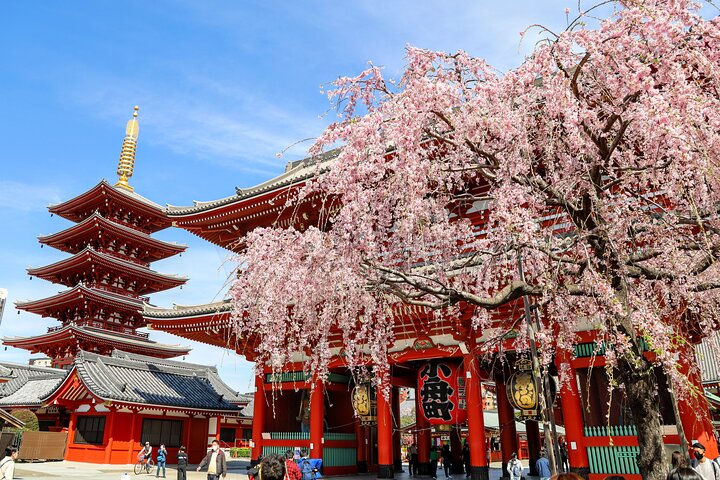
Every district feels like its own city. Shibuya's famous scramble crossing and Shinjuku's towers, bars and Golden Gai alleys pulse with energy, while Harajuku mixes youth fashion with the forested calm of the Meiji Jingu shrine. In Asakusa, the Sensō-ji temple and its market street keep an older Tokyo alive, and Ginza offers polished department stores and galleries.
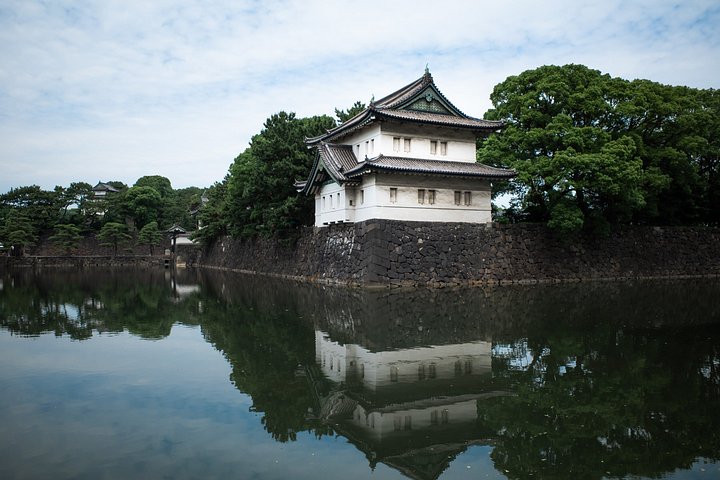
Top-ranked sights in Tokyo: Senso-ji Temple (Asakusa Temple), Tokyo Imperial Palace, Meiji Shrine (Meiji Jingu).
Tokyo的特價優惠
原價與特價由業者提供,不是我們標的。