Jodensavanne Tour in Paramaribo
描述以英文顯示。
- 4–5 小時
- 開始前 24 小時可免費取消
- 2 種語言
- 即時確認
亮點
About 50 kilometers south of Paramaribo, on the right bank of the Suriname River, lies Jodensavanne, a former Jewish settlement. The site is named after Jews who fled the Inquisition around 1650 and settled in this savanna area. The location was favorable, with a hill overlooking plantations and access to two water sources, one believed to have medicinal qualities. For many years, Jodensavanne was the center of the Jewish community in Suriname. The settlers owned plantations where crops like sugarcane were cultivated, often named after Biblical places such as Hebron and Bersaba. In 1832, a major fire destroyed much of the settlement, after which the population moved to Paramaribo. Today, the ruins of the oldest Jewish synagogue in the Americas and the cemetery can still be seen. During the tour, a guide shares the rich history of this once-thriving community, followed by a traditional Surinamese lunch before returning to Paramaribo.
費用包含
包含項目
- Een ervaren tour guide
- Soda/Pop
- Bottled water
- Entrance fee
- Snacks
- Lunch
不包含
- Alcoholic Beverages
行程
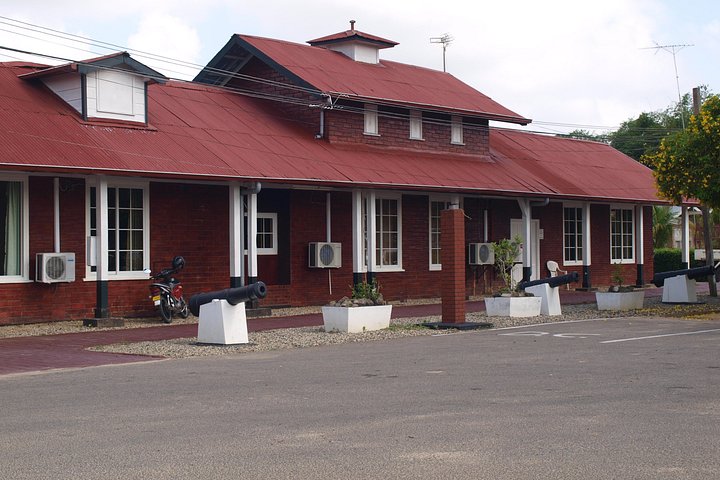
Suralco was a Surinamese producer of bauxite and alumina.
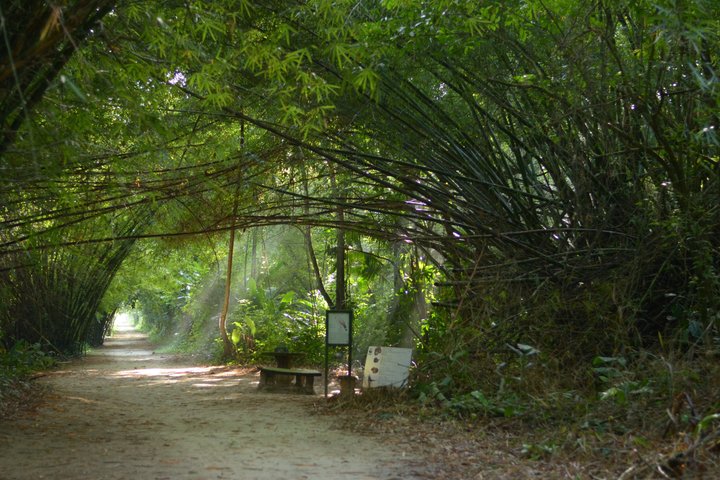
The landscape and Maroon community
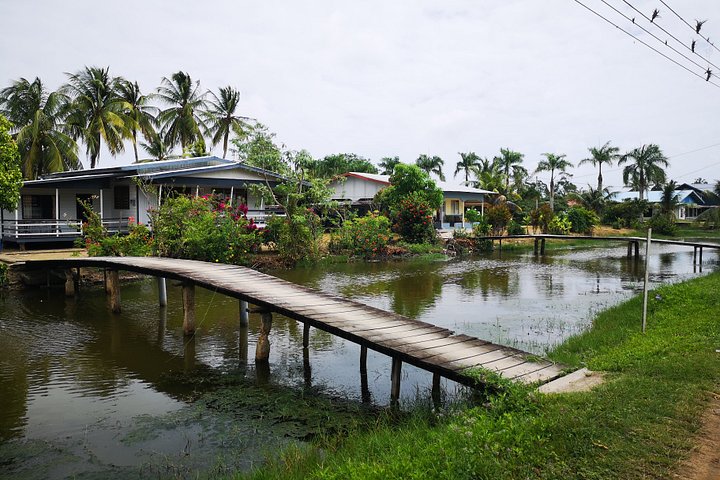
Landscape and Indigenous community
Hiking on the trail
Landscape
The cemetery and Indigenous community
The ruin of the Jewish synagogue
取消政策
體驗開始前 24 小時可免費取消,全額退款。
出發前須知
- 集合地點
- Meeting point in the lobby of the hotel
- 接送
- 所有人在出發地點集合,不提供接送。
- 票種
- Mobile or paper ticket accepted
- 團體人數
- 最多 50 人
- Service animals allowed
- Travelers should have at least a moderate level of physical fitness
How it compares in Paramaribo
- Its from-price is 15% above the median of the 28 experiences we list in Paramaribo.
- Its length is typical for the group.
- The operator lists free cancellation on it.
About Paramaribo
Paramaribo is the capital of Suriname, a river city of white wooden colonial buildings on the Suriname River, with a World Heritage historic centre.
Paramaribo lies on the Suriname River in the north of South America's smallest independent country, and its historic inner city, a World Heritage site, is a grid of white wooden buildings with shutters and high roofs from the Dutch colonial period. Fort Zeelandia dates from the 1600s, and the Cathedral of Saints Peter and Paul, a wooden building of the nineteenth century, is among the largest wooden churches in the Americas.