Split War Bombing and Yugoslavia 20th Century Tour Local Guide
描述以英文显示。
- 1 小时 30 分
- 开始前 24 小时可免费取消
- 英语导览
- 即时确认
亮点
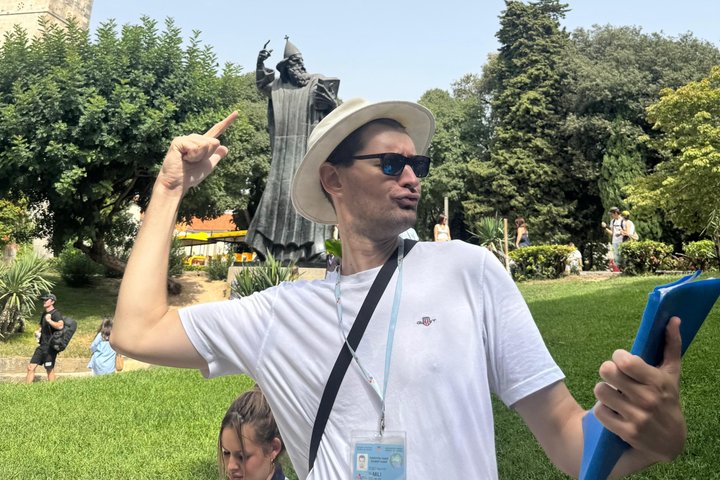
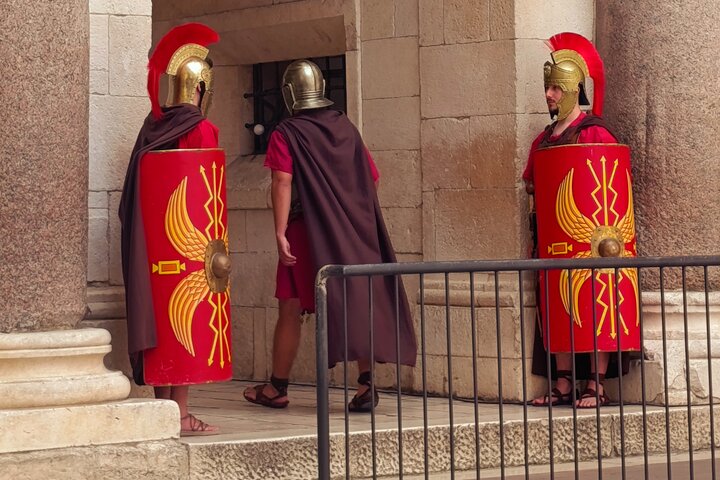
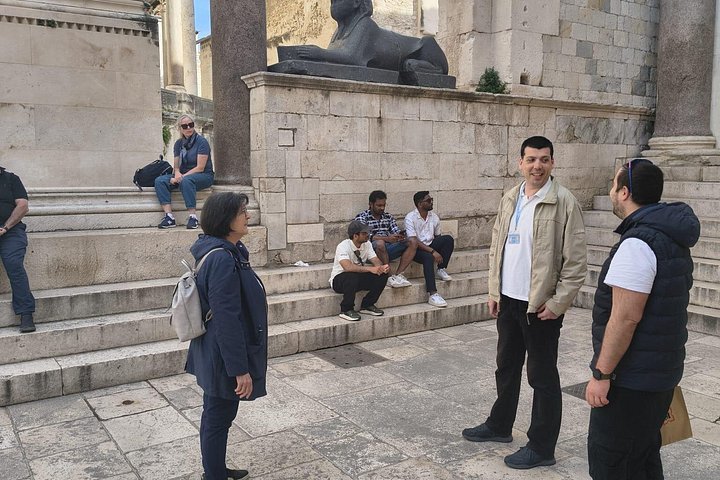
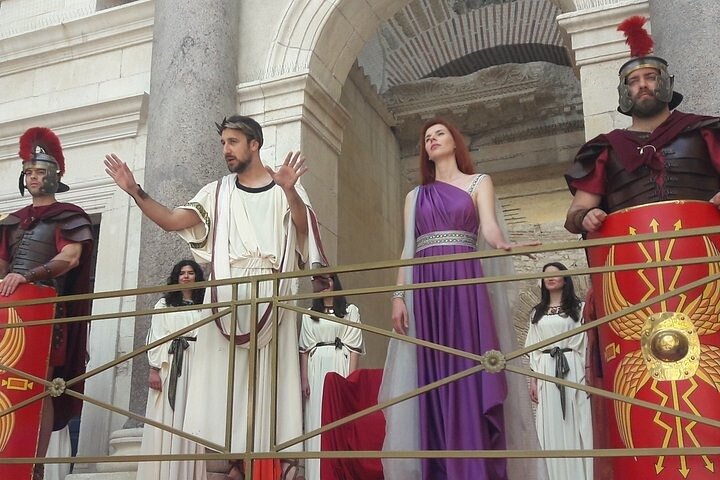
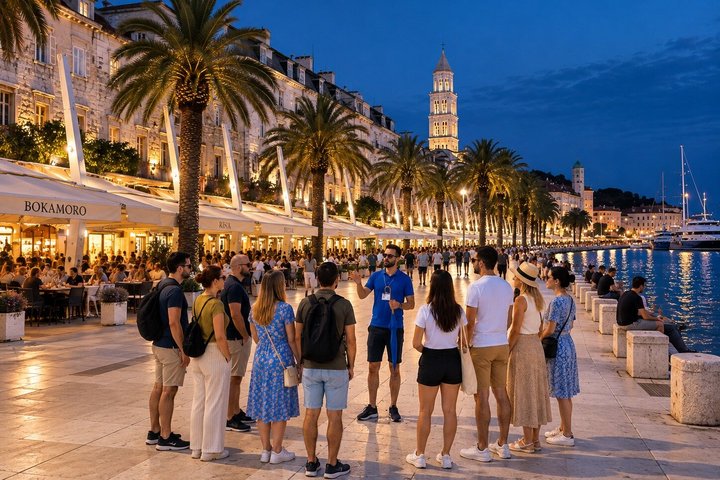
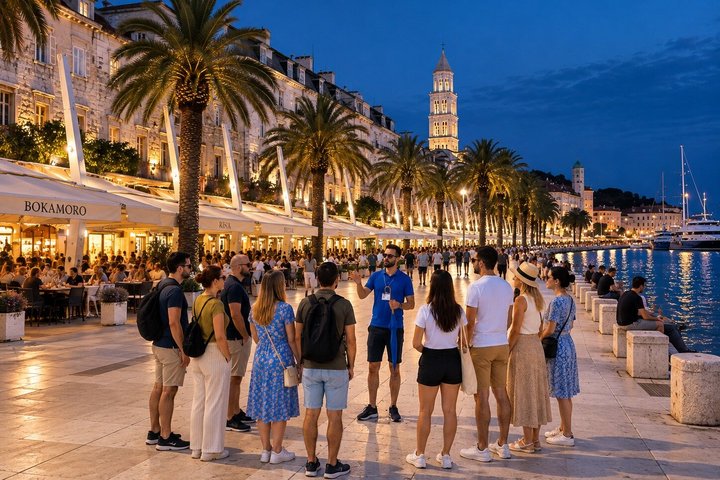
Join a local guide from Split on a walk through Diocletian's Palace, the retirement residence of the Roman Emperor Diocletian and the birthplace of the modern city. Discover how the Cold War, Yugoslavia, and the Yugoslav Wars shaped life in Croatia as it is today. Learn the fascinating story of how the Croats lost their last native king, the legend of the "thousand-year curse," and how that story became intertwined with the bloody breakup of Yugoslavia. Discover how both World War I and World War II transformed Split, from the once-poor neighborhoods within the palace walls to the city's social and political development. Explore the history of Yugoslavia, Josip Broz Tito, the Cold War, and communism, and understand how they influenced Croatia's economy, society, and everyday life. This unique walking tour connects over 2,000 years of history, from the Roman Empire to modern Croatia, helping you understand not only Split's past, but also the country and its people today
费用包含
包含内容
- Walking tour of Split with the Local Licensed Guide
- Old photos of Split from guide's private collection
- Historical insights into Croatia's past
- Visit to Diocletian's Palace
- Local recommendations on what to see, eat, and do
行程
Learn about the arrival of the Croats, the new political order established at the end of World War I, why Yugoslavia was created, and why the Balkans have been marked by recurring conflict.
Who ruled Split during World War II, why the Allies bombed the city, and who the actual targets of the attacks were.
What life in the city was like during the war, which buildings were destroyed and which were later rebuilt in the 2,000-year old square.
What happened to Split’s Jewish community during the occupation, what remained of the old library, and how the records and memories of the Jewish community in Split were burned.
The occupiers’ entry into the city did not go unopposed, as the Partisans launched a guerrilla resistance and eventually liberated Split. Let us explore historical photographs from the period of occupation and resistance.
Life in Yugoslavia was complex and often contradictory, depending on citizens’ political loyalty and ideological conformity. Learn about its economy and the political repression imposed by the totalitarian regime.
How did the political and social developments of the 20th century lead to the breakup of Yugoslavia, the bloody wars in Croatia, Slovenia, and Bosnia and Herzegovina, and the creation of an independent Croatian state?
取消政策
体验开始前 24 小时可免费取消,全额退款。
评价
5.0
- 53
- 40
- 30
- 20
- 10
评分来自我们的预订合作伙伴收集的 3 条评价。这些是旅客自己的话,按写下的先后排列,绝不为了好看而重新排序。
出行须知
- 集合地点
- The guide will be holding the black umbrella
- 接送
- 所有人在出发地点集合,不提供接送。
- 票种
- Mobile or paper ticket accepted
- 团队人数
- 最多 25 人
- 运营方
- Hi-story hiSTORY
- Wheelchair accessible
- Service animals allowed
- Public transportation options are available nearby
- Suitable for all physical fitness levels
How it compares in Split
- Its from-price is 91% below the median of the 96 城市游览 we list in Split.
- It is shorter than most of them.
- By number of reviews it ranks 41 of 96.
- The operator lists free cancellation on it.
About Split
Split is a busy Dalmatian port built within and around a Roman emperor's palace, with ferries to some of Croatia's loveliest islands.
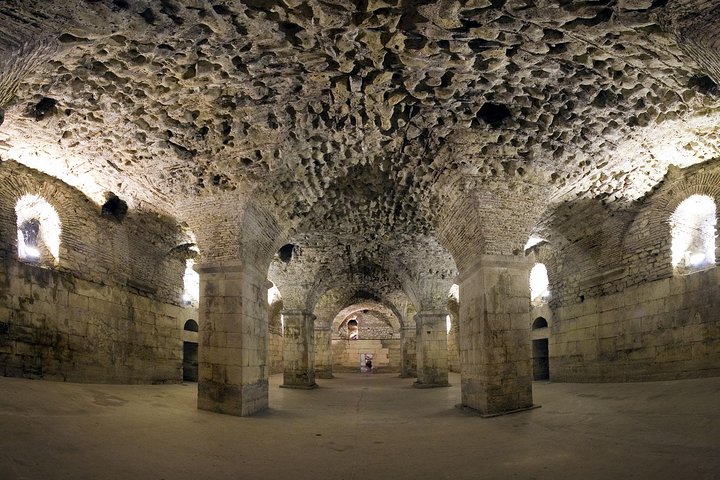
Diocletian's Palace, built around the turn of the fourth century as the emperor's retirement home, is the old town itself: its walls, cellars and courtyards hold homes, shops and cafés. The Peristyle, the colonnaded heart, leads to the Cathedral of St Domnius, once the emperor's mausoleum, and its bell tower gives views over the rooftops.
Top-ranked sights in Split: Budikovac Island (Veliki Budikovac), Blue Lagoon Croatia (Krknjasi Bay), Peristyle Square (Peristil).
Split的特价优惠
原价与现价来自运营商,不是我们标注的。