Pasta-making class at a local's home with tasting in Aosta
描述以英文显示。
- 3 小时
- 开始前 24 小时可免费取消
- 2 种语言
- 即时确认
亮点
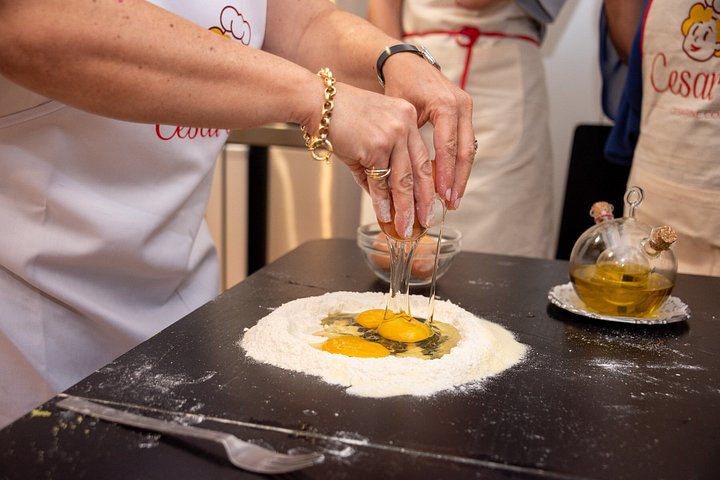
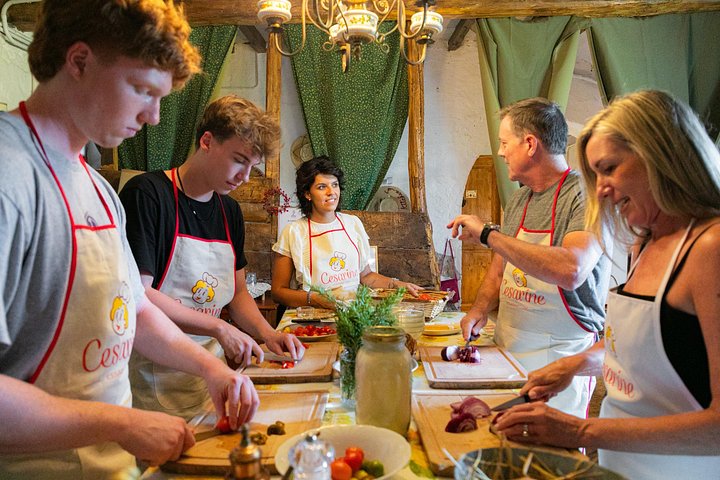
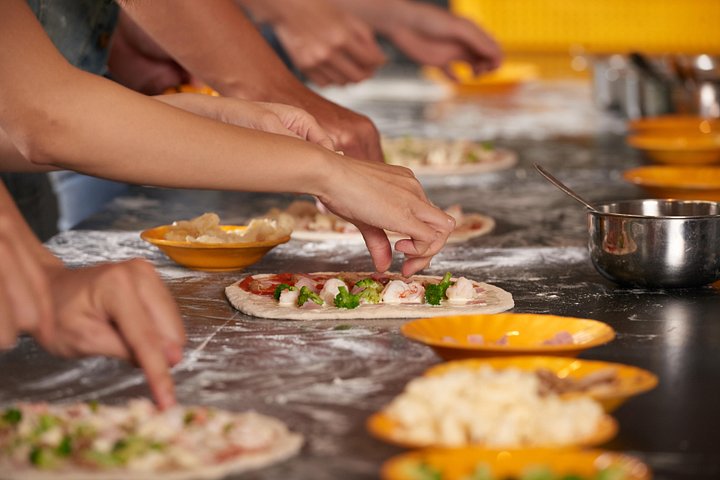
Immerse yourself in a private pasta-making class at a local's home, learn the secrets of the region's most famous pasta dishes and taste the fruit of your labour accompanied by a selection of local wine. During the lesson, the local home cook will reveal the tricks of the trade of 3 authentic regional pasta recipes. Have fun putting your cooking skills to the test. Each participant will have a workstation equipped with utensils and all the ingredients to make the dishes. Then, taste everything you have prepared accompanied by a selection of red and white local wines. This experience is held by Cesarine: Italy’s oldest network of 1000+ home cooks all over the country in more than 500 cities. They are passionate and welcoming hosts that open the doors of their own homes to curious travellers for immersive culinary experiences.
费用包含
包含内容
- Beverages (water, wines and coffee)
- Tasting of the 3 pasta recipes
- Private Pasta-making Class
- Local taxes
取消政策
体验开始前 24 小时可免费取消,全额退款。
评价
5.0
- 51
- 40
- 30
- 20
- 10
评分来自我们的预订合作伙伴收集的 1 条评价。这些是旅客自己的话,按写下的先后排列,绝不为了好看而重新排序。
出行须知
- 集合地点
- This experience will be held in a local's home. For privacy reasons, you will receive the full address of your Cesarina host after you have booked. We will contact you by e-mail after you've booked to match you up with your ideal host based on what you are looking for.
- 接送
- 所有人在出发地点集合,不提供接送。
- 票种
- Mobile or paper ticket accepted
- 运营方
- Cesarine: Cooking Class
- Public transportation options are available nearby
How it compares in Aosta
- Its from-price is 19% above the median of the 12 experiences we list in Aosta.
- Its length is typical for the group.
- By number of reviews it ranks 8 of 12.
- The operator lists free cancellation on it.
About Aosta
Aosta, the small capital of the Valle d'Aosta, keeps its Roman arch, theatre and gates in a valley ringed by high Alpine peaks.
Aosta was founded by the Romans in 25 BC as Augusta Praetoria, and its grid of streets still follows their plan. The Arch of Augustus, the Praetorian Gate, the tall façade of the Roman theatre and the underground cryptoporticus survive in or beside the old centre, earning it the nickname Rome of the Alps. Later layers include the cathedral and the collegiate church of Sant'Orso with its Romanesque cloister.