Discover Kosice Walking Tour with Cathedral Stop
描述以英文显示。
- 2 小时
- 开始前 24 小时可免费取消
- 2 种语言
- 即时确认
亮点
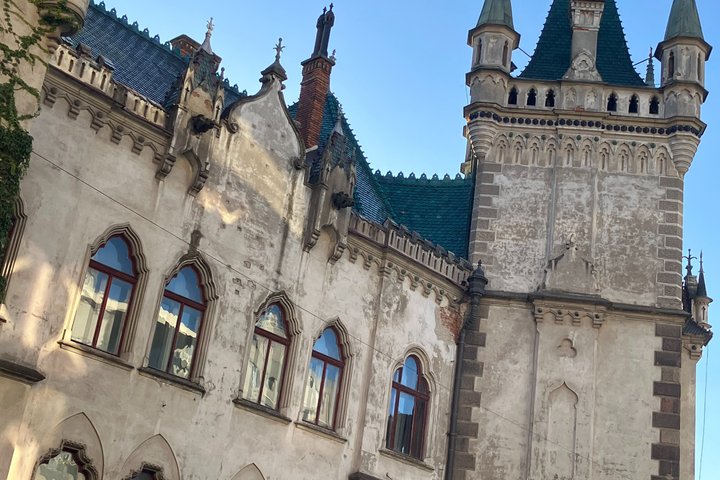
Explore the rich heritage of Slovakia's second-largest city on this guided walking tour. Start your journey at St. Elizabeth’s Cathedral, the largest Gothic cathedral in Slovakia, and wander through iconic landmarks like the Urban Tower and the Singing Fountain. Stroll along Main Street, lined with charming cafés and cultural treasures, while your guide shares stories of the city's dramatic history. Don’t miss the enchanting Jakab Palace and the remnants of medieval fortifications, discovering hidden courtyards and local hotspots along the way. - Guided tour of Košice's historic sites, including St. Elizabeth’s Cathedral - Visit iconic landmarks like the Urban Tower and Singing Fountain - Learn about the city's culture and history from an expert guide - Discover hidden gems and local dining recommendations along the route
费用包含
包含内容
- Admission fee
行程
-
-
-
-
-
取消政策
体验开始前 24 小时可免费取消,全额退款。
评价
5.0
- 51
- 40
- 30
- 20
- 10
评分来自我们的预订合作伙伴收集的 1 条评价。这些是旅客自己的话,按写下的先后排列,绝不为了好看而重新排序。
出行须知
- 接送
- 所有人在出发地点集合,不提供接送。
- 票种
- Mobile or paper ticket accepted
- 运营方
- Renter Car Rental
- Service animals allowed
- Public transportation options are available nearby
- Suitable for all physical fitness levels
How it compares in Košice
- Its from-price is 60% below the median of the 10 experiences we list in Košice.
- It is shorter than most of them.
- By number of reviews it ranks 2 of 10.
- The operator lists free cancellation on it.
About Košice
Košice is the second-largest city in Slovakia, an eastern city with a Gothic cathedral, a wide main street and a long history as a trading town.
Košice stands in the Hornád valley in eastern Slovakia, close to the Hungarian border. Its old town is built around a long, wide main street, Hlavná, lined with pastel-coloured townhouses, cafés and fountains. At its centre stands the Cathedral of St Elisabeth, the largest church in Slovakia and often described as the easternmost Gothic cathedral in Europe, begun in the fourteenth century.