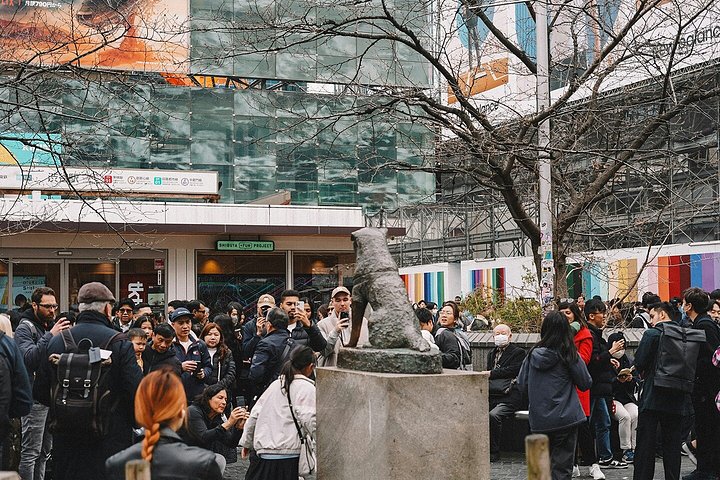
Tokyo WW2 Historical Walking Tour
Beskrivelsene vises på engelsk.
- 2 timer
- Gratis avbestilling inntil 24 t før
- Guiding på engelsk
- Bekreftes med en gang
Høydepunkter
Explore one of Tokyo’s most historically significant and debated sites on this World War II–focused tour of Yasukuni Shrine. Located in central Tokyo, the shrine commemorates those who died in Japan’s modern conflicts and remains a place of remembrance and reflection. With your guide, you’ll walk the shrine grounds to understand its origins in the Meiji era and its connection to Japan’s wartime history. Inside the Yushukan Museum, you’ll see wartime artifacts, personal letters, uniforms, and major exhibits that present Japan’s perspective on 20th-century conflicts. This tour goes beyond headlines to provide context. You’ll learn how World War II is remembered in Japan, why Yasukuni draws international attention, and how history and memory continue to shape contemporary society. Ideal for travelers seeking deeper insight into modern Japan.
Inkludert
Dette er inkludert
- Entrance fee
Ikke inkludert
- Gratuities
Rute
Visit Nippon Budokan, Tokyo’s iconic arena beside the Imperial Palace. Built for the 1964 Olympics, it is the spiritual home of Japanese martial arts and a legendary concert venue. Learn how judo and kendo shaped its identity and how performing here became a milestone for global artists. Surrounded by the calm of Kitanomaru Park, this stop connects Olympic history, martial arts tradition, and modern music culture in one remarkable setting.
Kitanomaru Park is a spacious public park located on the former northern grounds of Edo Castle, just beside the Imperial Palace. Today, it offers a quiet escape from central Tokyo’s busy streets, with wide walking paths, seasonal flowers, and views of the historic castle moat. The park is especially popular during cherry blossom season in spring and for colorful foliage in autumn. It is also home to important cultural venues, including Nippon Budokan and The National Museum of Modern Art, Tokyo, making it a place where history, nature, and culture come together in one peaceful setting.
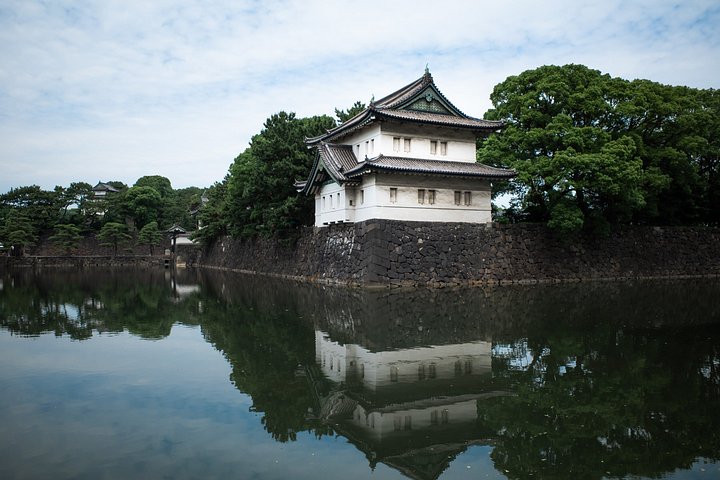
Chidorigafuchi is a scenic stretch of the Imperial Palace moat, known for its beautiful waterside path and seasonal views. The name refers to the curve of the moat, said to resemble the shape of plover birds (chidori). It is especially famous in spring, when hundreds of cherry trees bloom along the water, creating one of Tokyo’s most iconic sakura landscapes. Visitors can walk the peaceful path or rent small rowboats to glide along the moat, enjoying a unique perspective of the historic stone walls and greenery. Throughout the year, Chidorigafuchi offers a calm, picturesque setting in the heart of the city.
The Statue of Ōmura Masujirō stands near Yasukuni Shrine in Tokyo and honors one of the key figures in Japan’s modernization during the Meiji period. Ōmura Masujirō is often called the “father of the modern Japanese army” for his role in transforming the samurai-based military into a national conscript army. Erected in 1893, this bronze statue is considered Japan’s first Western-style public sculpture. Dressed in military uniform and standing confidently with a sword at his side, the monument reflects Japan’s rapid shift toward modernization in the late 19th century and serves as a reminder of the country’s dramatic transition from feudal rule to a modern nation-state.
The Somei Yoshino sample tree at Yasukuni Shrine is the official reference tree used to announce the start of cherry blossom season in Tokyo. Each spring, the Japan Meteorological Agency observes this specific tree, and when a set number of blossoms open, Tokyo’s sakura season is officially declared. This tree has become a symbolic marker of spring for the city. When it blooms, news spreads quickly across Japan, signaling the beginning of hanami season. Visitors can see the tree within the shrine grounds and witness the moment that marks one of Tokyo’s most anticipated seasonal traditions.
Yasukuni Shrine is a Shinto shrine in central Tokyo dedicated to those who died in service to Japan from the mid-19th century onward. Established in 1869 during the early Meiji period, it was created to honor the spirits of soldiers and others who lost their lives in conflicts that shaped modern Japan. Visitors pass through a large torii gate and walk along a wide, tree-lined approach leading to the main hall. The shrine grounds also include a museum that presents Japan’s modern military history. Today, Yasukuni Shrine is both a place of remembrance and reflection, as well as a site that continues to spark debate due to its complex historical associations.
The Yushukan Museum is the military and history museum located within the grounds of Yasukuni Shrine in Tokyo. Opened in 1882, it is one of Japan’s oldest museums and presents materials related to the individuals enshrined at Yasukuni and the conflicts in which they were involved. Inside, visitors will find historical documents, personal letters, uniforms, weapons, and large-scale artifacts, including a restored World War II Zero fighter plane. The museum offers insight into Japan’s modern military history from the late 19th century onward, providing context to the shrine’s role and the era of rapid change that shaped the nation.
Avbestilling
Gratis avbestilling inntil 24 timer før opplevelsen starter, med full refusjon.
Greit å vite
- Møtested
- In front of Chiyoda City Tourism Association
- Henting
- Alle møtes ved startstedet; det er ingen henting.
- Billettype
- Mobile or paper ticket accepted
- Gruppestørrelse
- Inntil 15 reisende
- Arrangeres av
- Localized Walking & Food Tours
- Infants and small children can ride in a pram or stroller
- Service animals allowed
- Public transportation options are available nearby
- Suitable for all physical fitness levels
How it compares in Tokyo
- Its from-price is 71% below the median of the 4374 experiences we list in Tokyo.
- It is shorter than most of them.
- The operator lists free cancellation on it.
About Tokyo
Neonbelyste bydeler, stille helligdommer, fantastisk mat og særpregede nabolag utgjør Tokyo, en enorm, velordnet storby forbundet av punktlige tog.
Hver bydel føles som sin egen by. Shibuyas berømte fotgjengerkryss og Shinjukus tårn, barer og smug i Golden Gai pulserer av energi, mens Harajuku blander ungdomsmote med skogkledd ro ved Meiji Jingu-helligdommen. I Asakusa holder Sensō-ji-tempelet og dets markedsgate et eldre Tokyo i live, og Ginza byr på elegante varehus og gallerier.
Top-ranked sights in Tokyo: Senso-ji Temple (Asakusa Temple), Tokyo Imperial Palace, Meiji Shrine (Meiji Jingu).
Spesialtilbud i Tokyo
Før/nå-priser kommer fra arrangøren, aldri fra oss.
 15% rabattGratis avbestilling
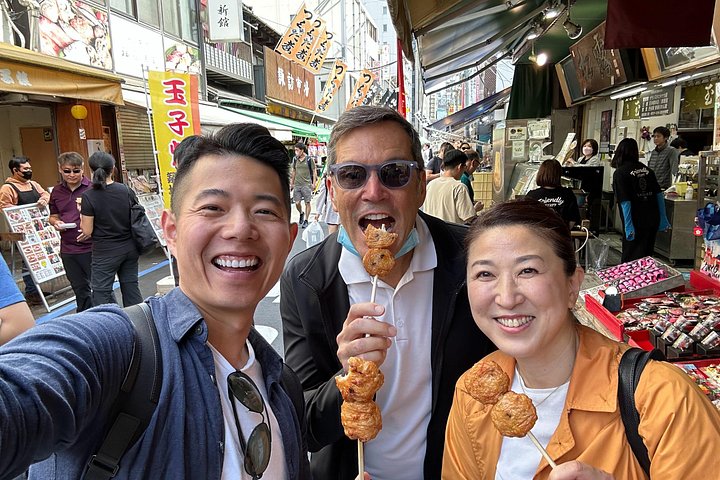
Beste av Tokyo Private Custom Tour: Tsukiji, Asakusa og Meiji-jingu
fra
158 USD134 USD


Lignende opplevelser
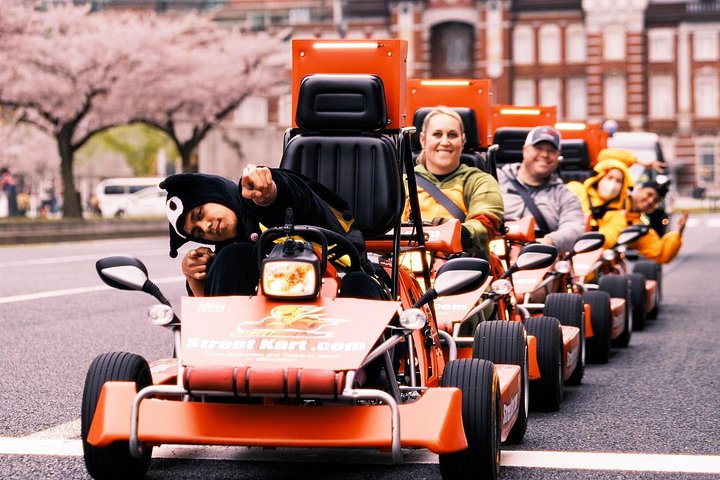
![Flagship 2-Hours Official Street Go-Kart Tour - Tokyo Bay Shop]() Blir trolig utsolgtGratis avbestilling