15% rabattGratis avbestilling
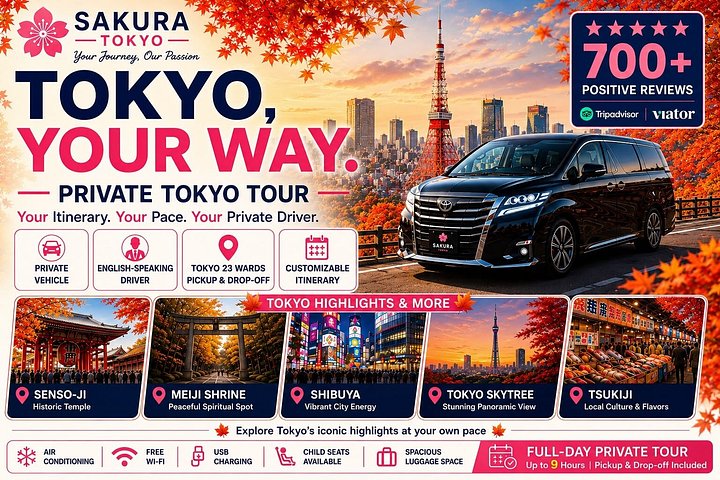
Beste av Tokyo Private Custom Tour: Tsukiji, Asakusa og Meiji-jingu
fra158 USD134 USD
Kategorier i Tokyo
Beskrivelsene vises på engelsk.
Shrines and street art. Classical and eccentric beauty. Pop culture and traditions. All of these come together to make Tokyo a truly photogenic city. Grab your camera and check out the most Instagrammable places in Tokyo! Popular hotspots for this tour include: Harajuku’s Takeshita street: Explore Lolita and other eccentric fashions! Shibuya Scramble Crossing: Get some great shots of what is called the busiest crossing in the world. Senso-ji Temple: Explore this famous temple in Tokyo with its ornate entrance and interesting retro shopping streets. Make some time to enjoy super cute dango (mochi balls) from Soratsuki! Once your reservation is made, a guide will be in touch to plan your personalized tour. Choose 4 to 5 spots that you wish to visit and your guide will plan an itinerary. If you do not know where to visit, ask the guide to send you their recommended itinerary. Enjoy the ease of being with a guide to navigate Tokyo and let your creativity soar through photography.
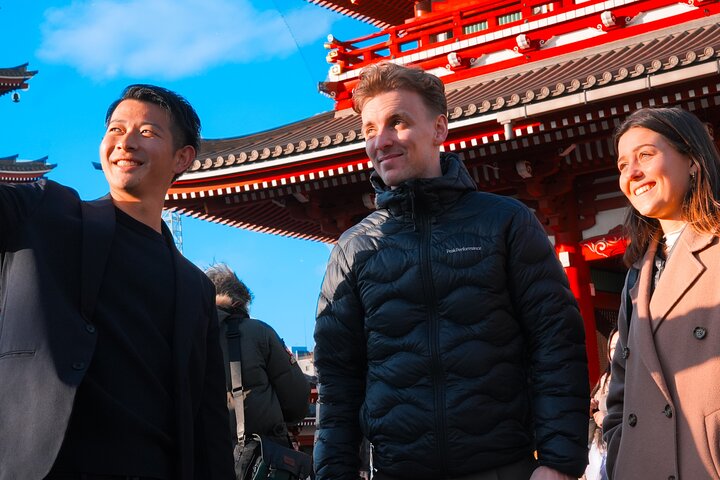
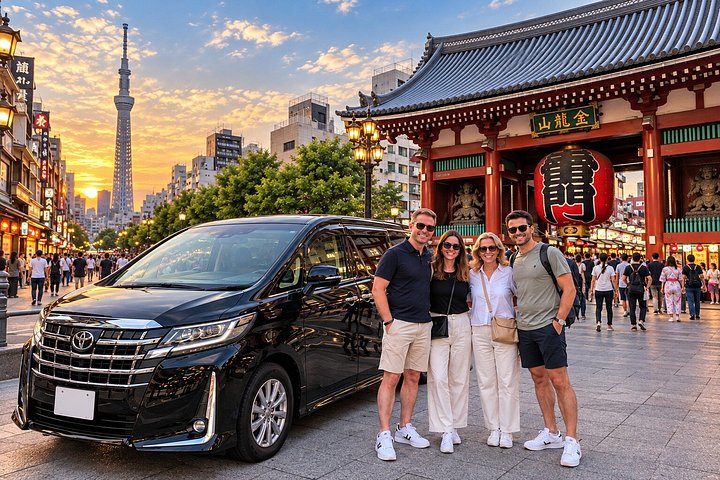
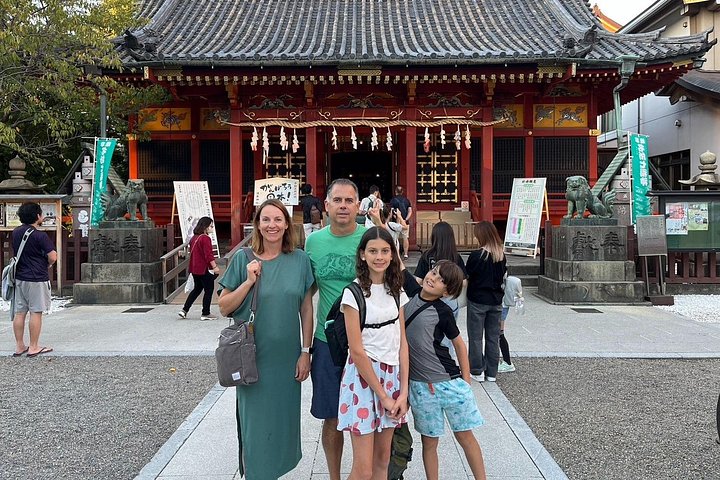
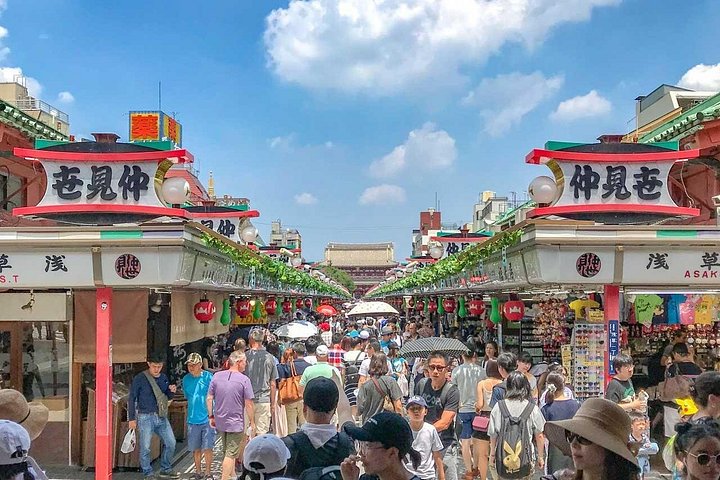
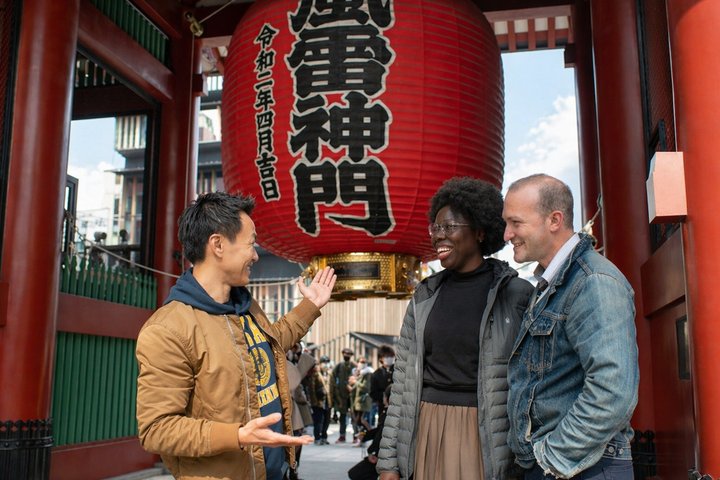
Sensō-ji is a Buddhist temple located in Asakusa. The colourful and popular temple features the Kaminarimon Gate (Thunder Gate) at the entrance. From this gate, locals and tourists walk along Nakamise-Dori, a historic street lined with souvenir shops until they reach the second gate, the Hozomon. Outside the main hall and pagoda of Tokyo’s oldest temple, there is a fountain for washing hands, small stalls selling charms and rows of drawers for visitors to read their fortune for the day. The temple grounds offer ample photo opportunities around the trading hours of Nakamise-Dori when there are no crowds. If you decide to visit early in the morning, be wary of the shadows cast on some of the temple buildings from the surrounding skyscrapers. The main hall is open daily from 6am – 5pm, the temple grounds are always open and entrance is free.
If you cannot make it to Kyoto to visit the famous Fushimi Inari-taisha Torii gates, don’t despair. There’s a tunnel of 90 red torii gates in the middle of Tokyo. If you didn’t know about the shrines in the city, then you are likely to miss this spot altogether and one of the secret photography spots in Tokyo. Hie Shrine is a major shrine in Tokyo and is also the starting point of Sannō Matsuri, one of the three great Japanese festivals from the Edo period. Positioned on a tree covered hilltop, Hie Shrine is a serene place where locals come to worship.
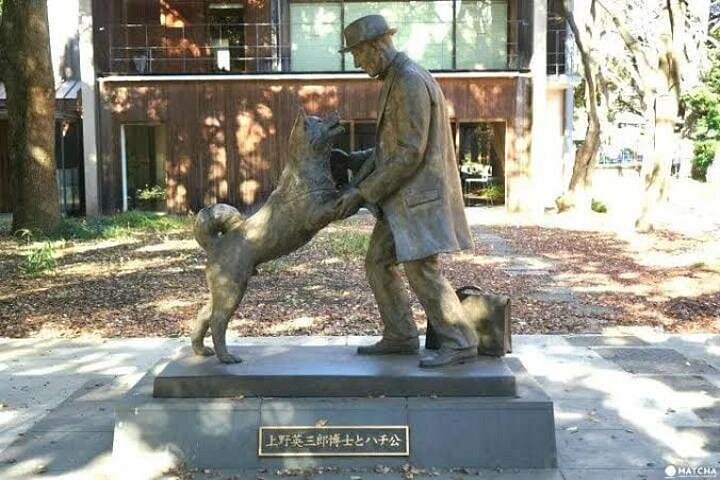
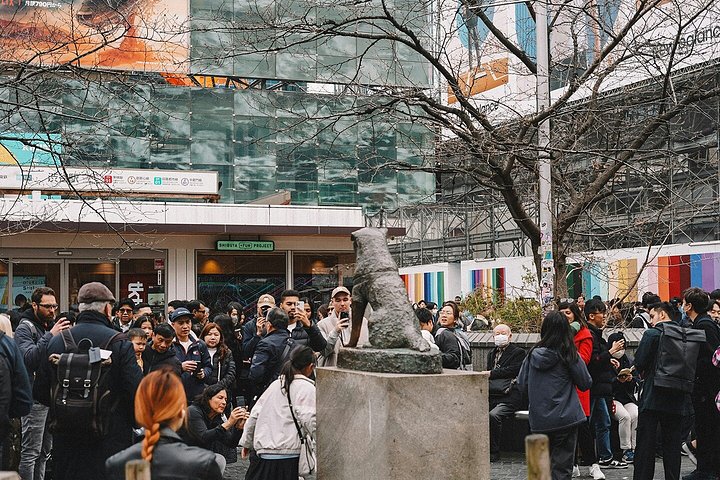
Did you really visit Tokyo if you didn’t take a photo at Shibuya Crossing? Thought to be the world’s busiest pedestrian crosswalk, Shibuya crossing is also home to the bronze statue of Hachikō. The Japanese Akita dog is remembered for his remarkable loyalty and fidelity to his owner, for whom he continued to wait at Shibuya Station every day for nine years following his master’s unfortunate death. A popular spot to watch the organised chaos is from the second floor of Tsutaya Starbucks. The best time to visit Shibuya Crossing is around dusk or later as thousands of locals and tourists flock to the area to meet up for food or shopping. Try to snap a long exposure photo of all the people crossing the intersection against the buildings’ neon lights.
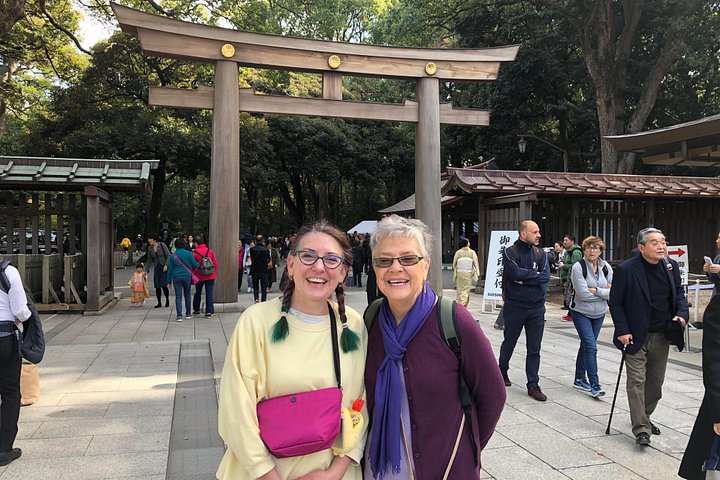
Sake Barrels @ Meiji Shrine, The Meiji Jingu (Meiji Shrine) is Tokyo’s largest and most famous Shinto Shrine. Located on an area that covers 175 acres on the edge of Shibuya, the precinct holds a huge collection of decorative sake barrels called kazaridaru. Traditionally, sake has been a means to connect the people of Japan and the gods and each year, sake breweries donate sake barrels to the enshrined deities and the sake is used in ceremonies and festivals. The Meiji Shrine is approximately 10 minutes walk from Harajuku Station. It is open daily from sunrise to sunset and admission to the shrine precinct is free. Please don’t be a douchebag; stay in front of the rope for your photo.
Known as “the cutest street in Tokyo,” Takeshita Street is located in Harajuku. You’ll find cuteness galore, from kawaii clothing shops to pink crepe shops and rainbow cotton candy vendors. The crepe shops are among the most popular local selfie hot spots.
Omoide Yokocho, is a narrow lane made up of small restaurants, bars, and shops. It’s a small slice of Japanese back alley culture. For such a small space, there’s a lot going on. It’s chaotic in the best way possible. The lanes look like they’re from a bygone era, and contrasted sharply from the modernity of the surrounding Shinjuku District. Omoide Yokocho actually has a second nickname, “Memory Lane”. This is a reference to the fact that the alley has changed very little over time. The heavenly smell of street food and brightly lit lanterns will draw you in. This is a great place to capture some old-timey Tokyo Instagram shots, as well as some tasty Japanese food!
Shinjuku Golden Gai is a small area in Tokyo with a lot of character. It has a unique and alluring nightlife scene. Small bars are clustered together and weave through narrow alleys and passageways. The lanes are only wide enough for a single person to pass-through. Because of this compact size, it’s the perfect place to take some pics of Tokyo’s city streets. You’ll easily be able to capture all the unique elements in one frame. At night, when the lights go out, and the lanterns and neon signs turn on, this area is especially magical.
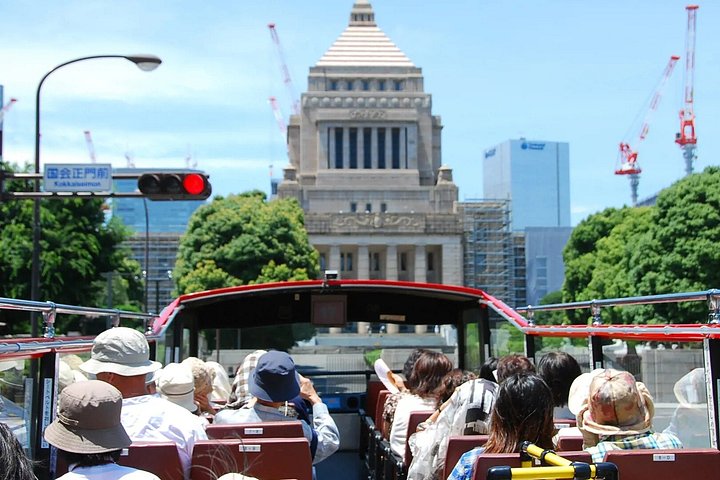
**This tour does not include access to the inside of the Imperial Palace** The current Imperial Palace (皇居, Kōkyo) is located on the former site of Edo Castle, a large park area surrounded by moats and massive stone walls in the center of Tokyo, a short walk from Tokyo Station. It is the residence of Japan's Imperial Family.
Adults \500 (Group discount \400) Seniors (65 and over) \250 ※Valid ID required. Please purchase a ticket at a staffed counter. Students \250 ※Valid Student ID required. Please purchase a ticket at a staffed counter. Children (junior high school students /15 and under) FREE
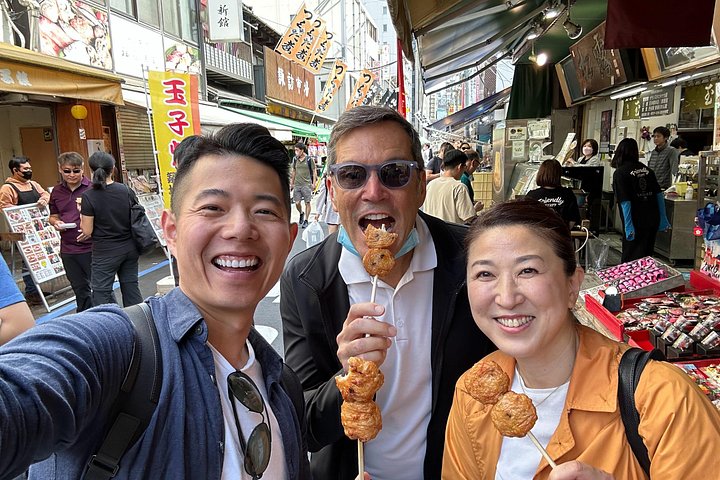
Explore the old fish market in Tokyo!
kihabara (秋葉原), also called Akiba after a former local shrine, is a district in central Tokyo that is famous for its many electronics shops. In more recent years, Akihabara has gained recognition as the center of Japan's otaku (diehard fan) culture, and many shops and establishments devoted to anime and manga are now dispersed among the electronic stores in the district. On Sundays, Chuo Dori, the main street through the district, is closed to car traffic from 13:00 to 18:00 (until 17:00 from October through March).
Koishikawa Korakuen (小石川後楽園, Koishikawa Kōrakuen) is one of Tokyo's oldest and best Japanese gardens. It was built in the early Edo Period (1600-1867) at the Tokyo residence of the Mito branch of the ruling Tokugawa family. Like its namesake in Okayama, the garden was named Korakuen after a poem encouraging a ruler to enjoy pleasure only after achieving happiness for his people. Koishikawa is the district in which the garden is located in.
Gratis avbestilling inntil 24 timer før opplevelsen starter, med full refusjon.
5,0
Vurderingene kommer fra 50 anmeldelser som bookingpartneren vår har samlet inn. Det er de reisendes egne ord, i den rekkefølgen de ble skrevet — aldri stokket om for å pynte på opplevelsen.
Neonbelyste bydeler, stille helligdommer, fantastisk mat og særpregede nabolag utgjør Tokyo, en enorm, velordnet storby forbundet av punktlige tog.
Hver bydel føles som sin egen by. Shibuyas berømte fotgjengerkryss og Shinjukus tårn, barer og smug i Golden Gai pulserer av energi, mens Harajuku blander ungdomsmote med skogkledd ro ved Meiji Jingu-helligdommen. I Asakusa holder Sensō-ji-tempelet og dets markedsgate et eldre Tokyo i live, og Ginza byr på elegante varehus og gallerier.
Top-ranked sights in Tokyo: Senso-ji Temple (Asakusa Temple), Tokyo Imperial Palace, Meiji Shrine (Meiji Jingu).
Før/nå-priser kommer fra arrangøren, aldri fra oss.
fra158 USD134 USD
fra452 USD407 USD
fra278 USD255 USD
fra199 USD189 USD

Legg Ticket Hall til på hjem-skjermen
Billetter og byguider ett trykk unna, også uten nett.
Ticket Hall