Tokyo Private 6 Hour Tour Sumo Experience with Lunch and Guide
설명은 영어로 표시됩니다.
- 6시간
- 시작 24시간 전까지 무료 취소
- 2개 언어
- 즉시 확정
하이라이트
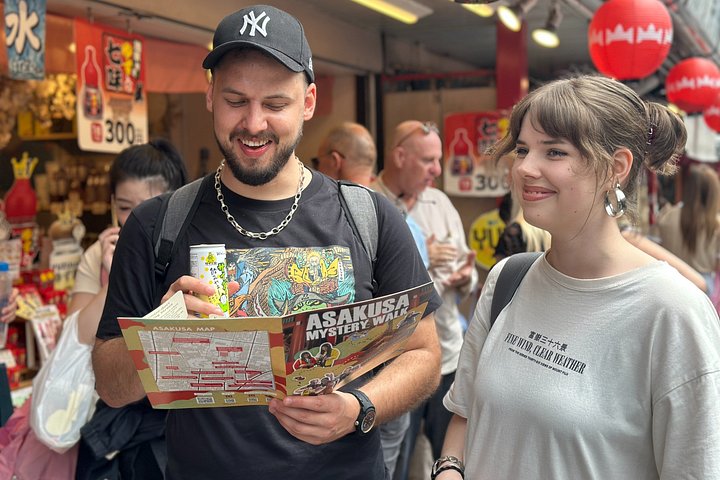
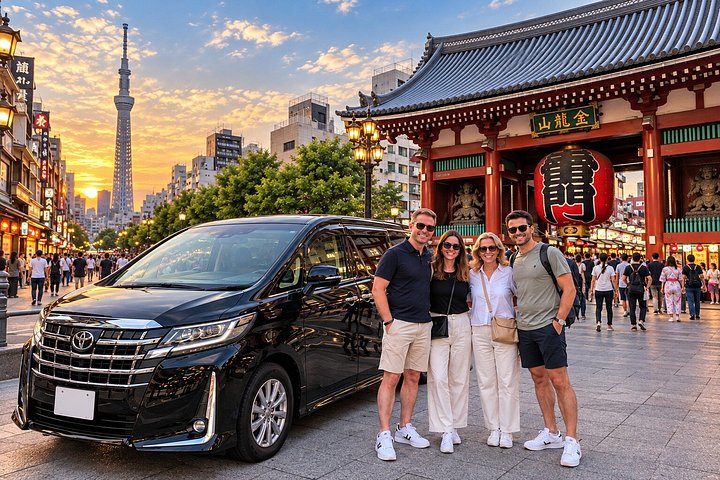
Experience the perfect blend of Tokyo culture, history, and entertainment on this unforgettable 6-hour private walking tour with a Sumo Show Lunch in Asakusa. Your journey begins with a 4-hour guided walking tour led by a licensed local guide, who will introduce you to Tokyo’s most fascinating sights, hidden corners, and cultural highlights. This immersive walk allows you to truly experience the city beyond the typical tourist routes. After exploring the city, your guide will escort you to the famous Asakusa Sumo Club, where the highlight of the day awaits — a 2-hour live Sumo show paired with a traditional Japanese lunch. Watch professional sumo wrestlers up close, learn about the history and rituals of sumo, and enjoy a lively, authentic atmosphere you won’t find anywhere else.
포함 사항
포함되는 것
- Hotel Pick up
- Licensed Local English Speaking Guide in designated Tokyo area
- Lunch at Asakusa sumo club
- Customizable Walking Tour of your choice of 2-3 sites from 'What to expect' list'
포함되지 않는 것
- Tipping
일정
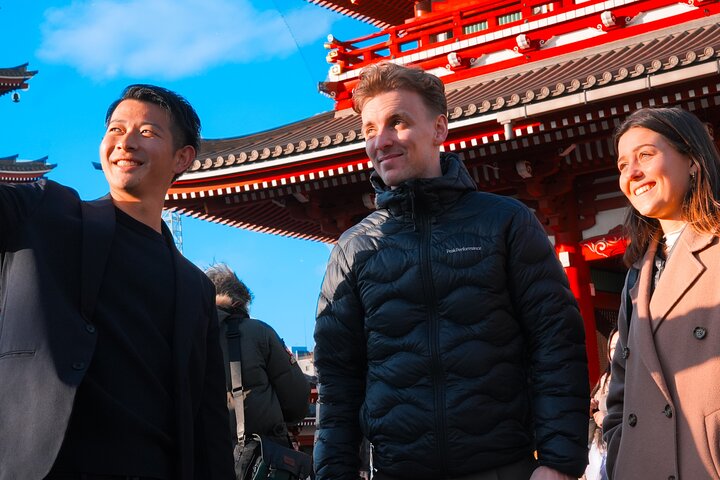
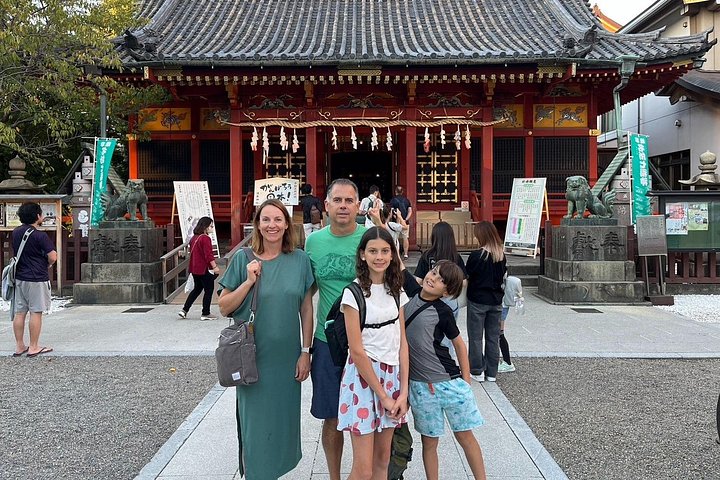
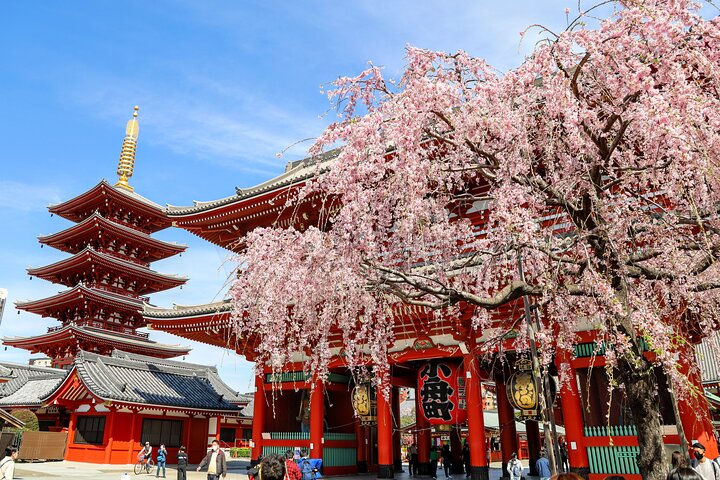
Sensoji (浅草寺, Sensōji, also known as Asakusa Kannon Temple) is a Buddhist temple located in Asakusa. It is one of Tokyo's most colorful and popular temples. The legend says that in the year 628, two brothers fished a statue of Kannon, the goddess of mercy, out of the Sumida River, and even though they put the statue back into the river, it always returned to them. Consequently, Sensoji was built nearby for the goddess of Kannon. The temple was completed in 645, making it Tokyo's oldest temple
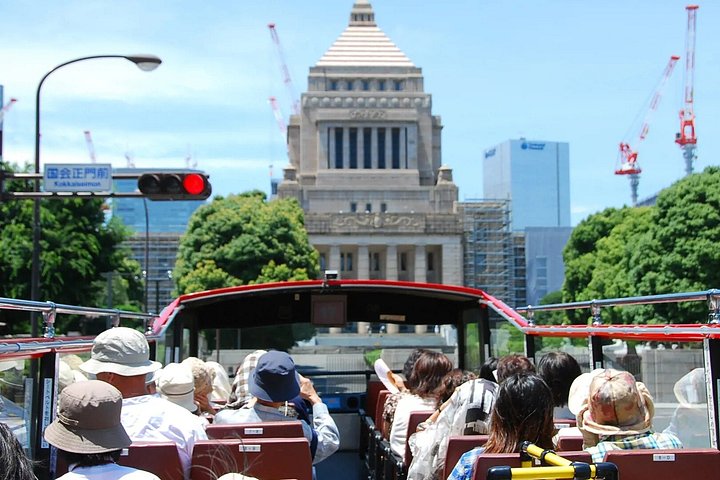
the former site of Edo Castle, a large park area surrounded by moats and massive stone walls in the center of Tokyo, a short walk from Tokyo Station. It is the residence of Japan's Imperial Family. Edo Castle used to be the seat of the Tokugawa shogun who ruled Japan from 1603 until 1867. In 1868, the shogunate was overthrown, and the country's capital and imperial residence were moved from Kyoto to Tokyo. In 1888 construction of a new Imperial Palace was completed. The palace was once destroyed during World War Two, and rebuilt in the same style, afterwards.
This tour will allow you to explore Tokyo more efficiently in one day. Meet at your hotel, then move to anywhere you want.
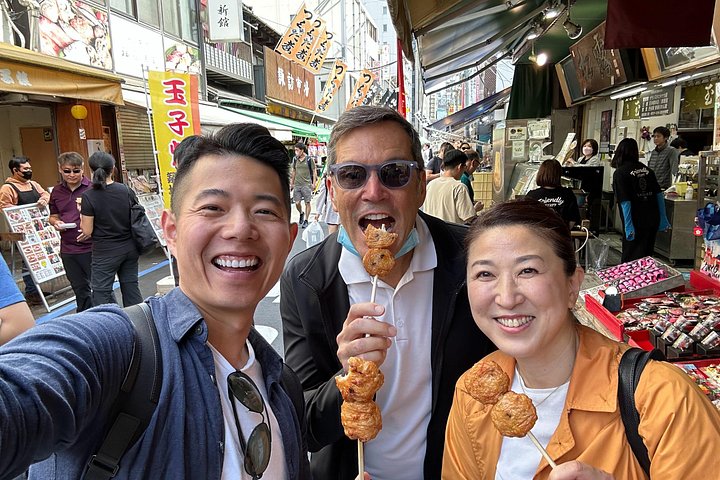
Explore the old fish market in Tokyo!
Akihabara , also called Akiba after a former local shrine, is a district in central Tokyo that is famous for its many electronics shops. In more recent years, Akihabara has gained recognition as the center of Japan's otaku (diehard fan) culture, and many shops and establishments devoted to anime and manga are now dispersed among the electronic stores in the district. On Sundays, Chuo Dori, the main street through the district,
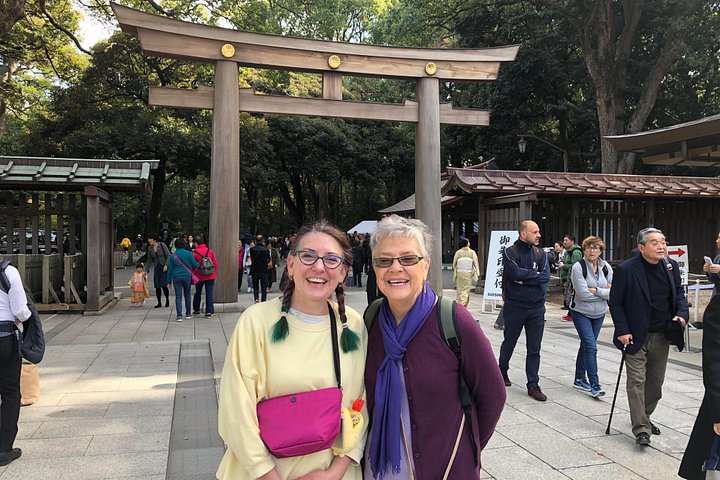
Harajuku refers to the area around Tokyo's Harajuku Station, which is between Shinjuku and Shibuya on the Yamanote Line. It is the center of Japan's most extreme teenage cultures and fashion styles, but also offers shopping for adults and some historic sights. The focal point of Harajuku's teenage culture is Takeshita Dori (Takeshita Street) and its side streets, which are lined by many trendy shops, fashion boutiques, used clothes stores, crepe stands and fast food outlets geared towards the fashion and trend conscious teens.
Golden Gai is said to have started around 1950 when the black market that had arisen in front of Shinjuku Station moved and, in this new area, a number of eating and drinking establishments set up shop. Although Shinjuku has undergone considerable modernization since then, Golden Gai seems to have remained largely unchanged. The alley is narrow and cramped with countless signs advertising the various establishments that line the way. Many of the buildings themselves are made of wood, remnants hanging on from the Showa Era. Most measure only around thirteen square meters (one hundred forty-two square feet). It's a dim, boisterous place filled with the aromatic smoke of grilling meats. Yet despite the nearly endless number of slick new restaurants available in Shinjuku, this little alley continues to draw the attention of foreign tourists. Golden Gai is a popular “un-touristy” tourist spot.
취소 규정
체험 시작 24시간 전까지 무료로 취소하고 전액 환불받을 수 있습니다.
후기
5.0
- 52
- 40
- 30
- 20
- 10
평점은 저희 예약 파트너가 모은 후기 2개를 바탕으로 합니다. 여행자가 직접 쓴 글을 쓰인 순서 그대로 보여주며, 체험을 좋아 보이게 하려고 순서를 바꾸지 않습니다.
출발 전 알아둘 점
- 픽업
- 모든 인원 픽업이 포함됩니다.
- 티켓 종류
- Mobile or paper ticket accepted
- 운영사
- The Washoku Club Culture and Food Tours
- Public transportation options are available nearby
- Infants are required to sit on an adult’s lap
- Suitable for all physical fitness levels
How it compares in Tokyo
- Its from-price is 27% above the median of the 893 당일치기 여행 we list in Tokyo.
- It is shorter than most of them.
- By number of reviews it ranks 331 of 893.
- The operator lists free cancellation on it.
About Tokyo
Neon-lit districts, quiet shrines, superb food and distinct neighbourhoods make up Tokyo, a vast, orderly metropolis linked by punctual trains.
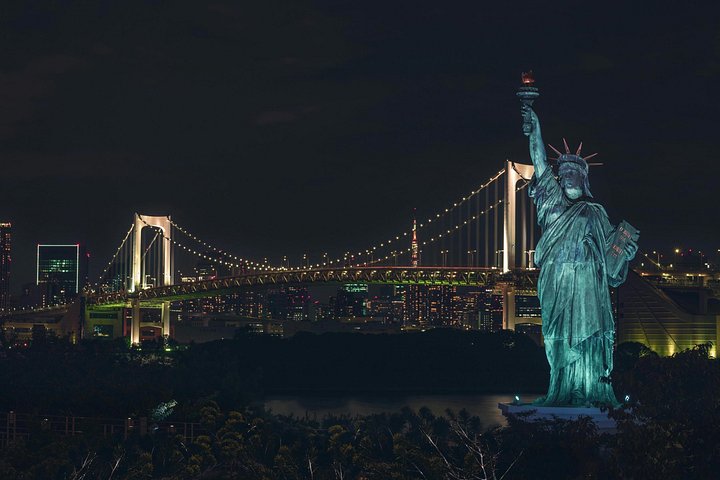
Every district feels like its own city. Shibuya's famous scramble crossing and Shinjuku's towers, bars and Golden Gai alleys pulse with energy, while Harajuku mixes youth fashion with the forested calm of the Meiji Jingu shrine. In Asakusa, the Sensō-ji temple and its market street keep an older Tokyo alive, and Ginza offers polished department stores and galleries.
Top-ranked sights in Tokyo: Senso-ji Temple (Asakusa Temple), Tokyo Imperial Palace, Meiji Shrine (Meiji Jingu).
Tokyo 특가
할인 전후 가격은 운영사가 정한 것이며, 저희가 붙인 것이 아닙니다.