Tokyo Landmarks by Water Bus Private Tour, Licensed Guide
설명은 영어로 표시됩니다.
- 6시간
- 시작 24시간 전까지 무료 취소
- 2개 언어
- 즉시 확정
하이라이트
With a government-licensed and experienced multilingual guide, catch a unique perspective of Tokyo, riding aboard a comfortable water bus. Cruise through narrow canals and open sea, venturing from an old historic center all the way to a modern reclaimed island. Some of the best views of Tokyo are from the water. This extended Sumida river cruise goes all the way around old and modern Tokyo from Asakusa to Odaiba district. Tokyo’s landmarks are iconic masterpieces. See the city’s best sights on this relaxing sightseeing cruise. Let us know what you would like to experience, and we will customize a six-hour tour that's best for you! Note*1: Please select your must-see spots from a list in the tour information to create your customized itinerary. Note*2: The National Government Licensed Guide Interpreter certification is issued by the Japanese government requires a good knowledge and understanding of Japanese culture and history.
포함 사항
포함되는 것
- Customizable Walking Tour of your choice of 3-4 sites from 'Itinerary' list
- Meet up with guide on foot within designated area of Tokyo
- Licensed Local English Speaking Guide
포함되지 않는 것
- Transportation fees, Entrance fees, Lunch, and Other personal expenses
- Private transportation
- You cannot combine multiple tour groups.
- Guide Entry fees are only covered for sights listed under 'Itinerary' list.
- The Tokyo Cruise Bus ticket
일정
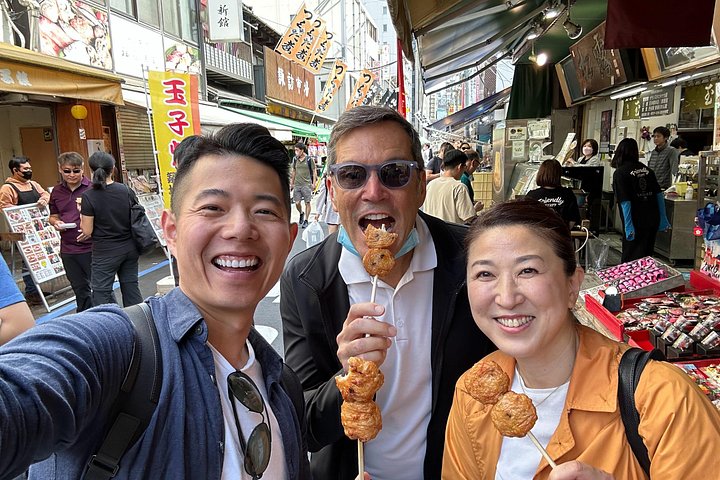
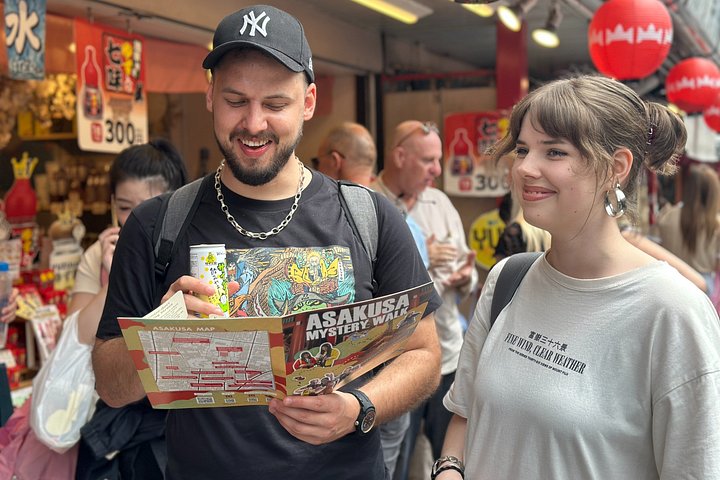
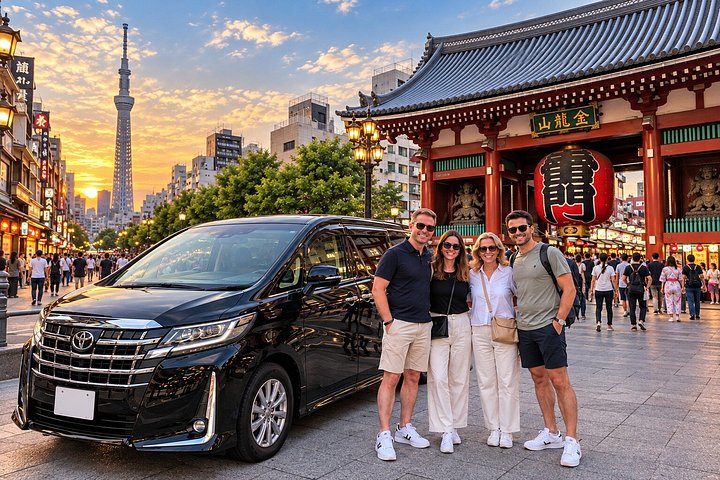
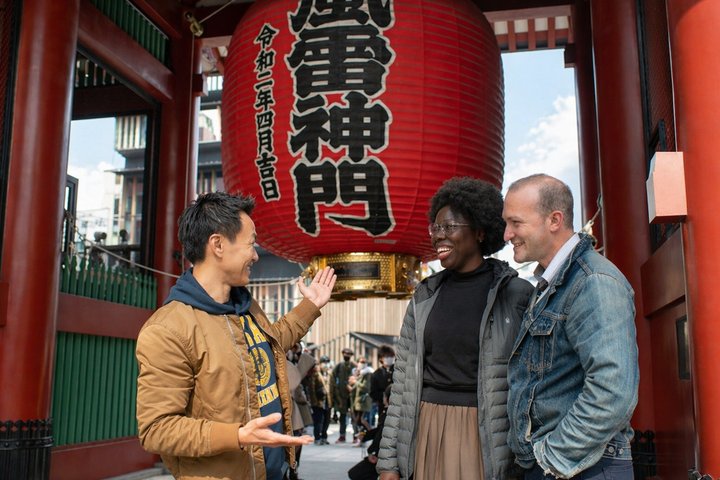
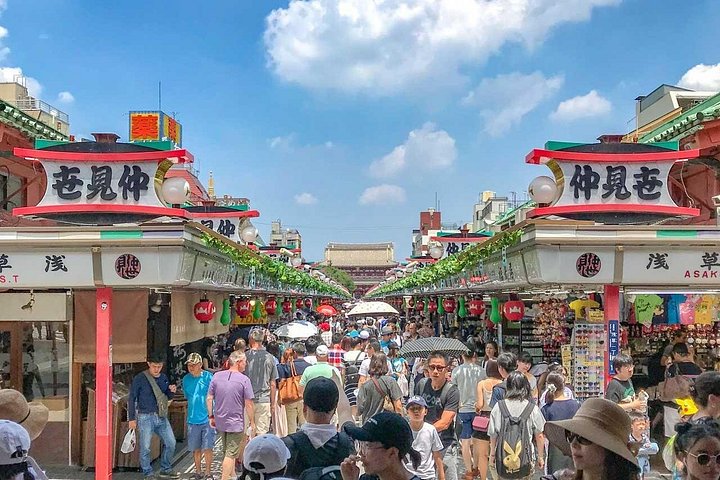
Asakusa (浅草) is the center of Tokyo's shitamachi (literally "low city"), one of Tokyo's districts, where an atmosphere of the Tokyo of past decades survives. Asakusa's main attraction is Sensoji, a very popular Buddhist temple, built in the 7th century. The temple is approached via the Nakamise, a shopping street that has been providing temple visitors with a variety of traditional, local snacks and tourist souvenirs for centuries.
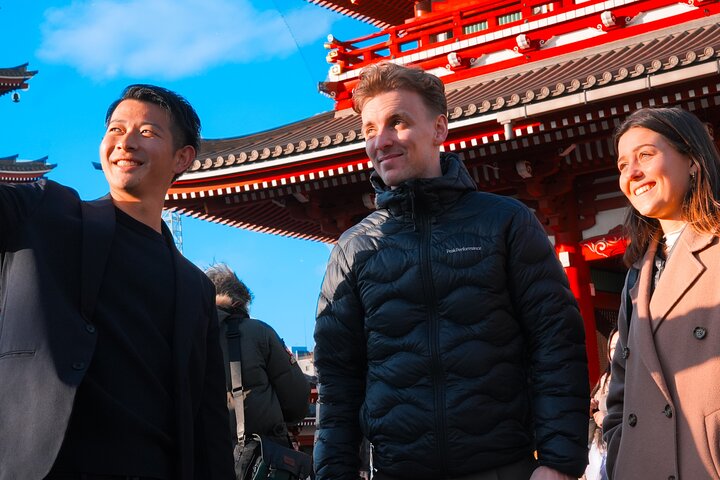
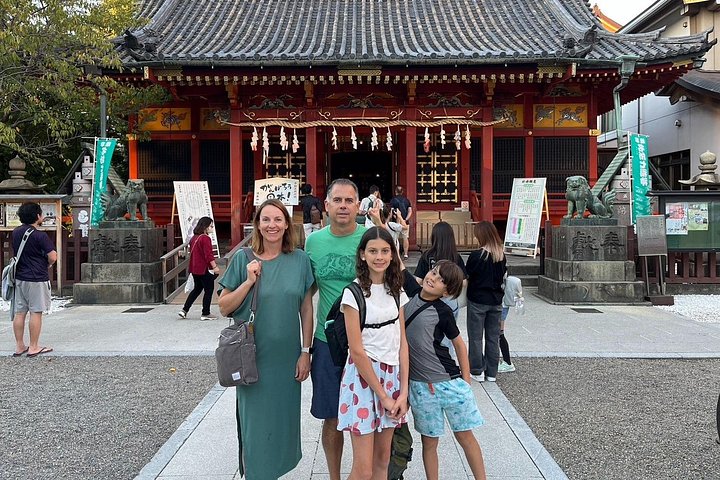
Sensoji (浅草寺, Sensōji, also known as Asakusa Kannon Temple) is a Buddhist temple located in Asakusa. It is one of Tokyo's most colorful and popular temples. The legend says that in the year 628, two brothers fished a statue of Kannon, the goddess of mercy, out of the Sumida River, and even though they put the statue back into the river, it always returned to them. Consequently, Sensoji was built nearby for the goddess of Kannon. The temple was completed in 645, making it Tokyo's oldest temple.
Kappabashi Street (かっぱ橋道具街, Kappabashi Dōgugai) is a shopping street between Ueno and Asakusa, which is lined with several dozens of stores selling everything needed by restaurant operators, with the exception of fresh food. You will find specialized stores for dishes, pots, pans, cooking utensils, stoves, tables, chairs, signs, lanterns and more. There are also a few stores which sell plastic and wax food samples, used by many restaurants in their show windows.
Home of the heavyweights—sumo's main stadium The huge stadium known as Ryogoku Kokugikan dominates the sumo-obsessed neighborhood of Ryogoku , and is the focus of big excitement during the tournament season.
Hama Rikyu (浜離宮, Hama Rikyū), is a large, attractive landscape garden in central Tokyo. Located alongside Tokyo Bay, Hama Rikyu features seawater ponds which change level with the tides, and a teahouse on an island where visitors can rest and enjoy the scenery. The traditionally styled garden stands in stark contrast to the skyscrapers of the adjacent Shiodome district.
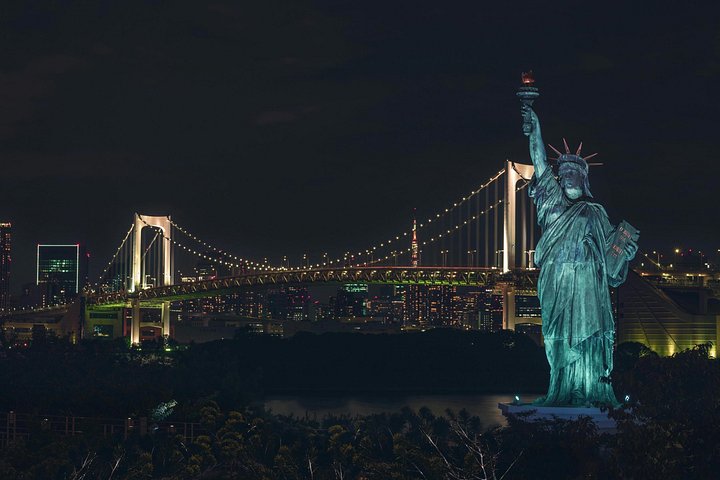
Odaiba (お台場) is a popular shopping and entertainment district on a man made island in Tokyo Bay. It originated as a set of small man made fort islands (daiba literally means "fort"), which were built towards the end of the Edo Period (1603-1868) to protect Tokyo against possible attacks from the sea and specifically in response to the gunboat diplomacy of Commodore Perry. More than a century later, the small islands were joined into larger islands by massive landfills, and Tokyo began a spectacular development project aimed to turn the islands into a futuristic residential and business district during the extravagant 1980s. But development was critically slowed after the burst of the "bubble economy" in the early 1990s, leaving Odaiba nearly vacant.
취소 규정
체험 시작 24시간 전까지 무료로 취소하고 전액 환불받을 수 있습니다.
후기
5.0
- 58
- 40
- 30
- 20
- 10
평점은 저희 예약 파트너가 모은 후기 8개를 바탕으로 합니다. 여행자가 직접 쓴 글을 쓰인 순서 그대로 보여주며, 체험을 좋아 보이게 하려고 순서를 바꾸지 않습니다.
출발 전 알아둘 점
- 픽업
- 모든 인원 픽업이 포함됩니다.
- 티켓 종류
- Mobile or paper ticket accepted
- 운영사
- Japan Guide Agency
- Service animals allowed
- Public transportation options are available nearby
- Infants and small children can ride in a pram or stroller
- All areas and surfaces are wheelchair accessible
- Transportation options are wheelchair accessible
- Wheelchair accessible
- Suitable for all physical fitness levels
- This is a walking tour. Pick up is on foot.
How it compares in Tokyo
- Its from-price is 27% below the median of the 731 시티 투어 we list in Tokyo.
- Its length is typical for the group.
- By number of reviews it ranks 181 of 731.
- The operator lists free cancellation on it.
About Tokyo
Neon-lit districts, quiet shrines, superb food and distinct neighbourhoods make up Tokyo, a vast, orderly metropolis linked by punctual trains.
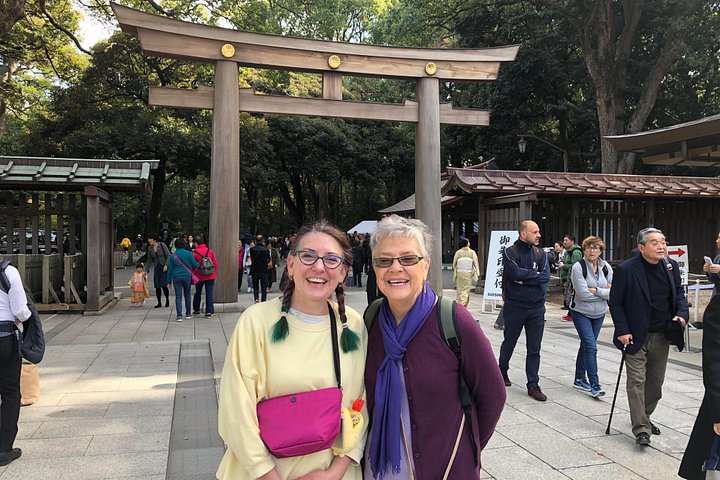
Every district feels like its own city. Shibuya's famous scramble crossing and Shinjuku's towers, bars and Golden Gai alleys pulse with energy, while Harajuku mixes youth fashion with the forested calm of the Meiji Jingu shrine. In Asakusa, the Sensō-ji temple and its market street keep an older Tokyo alive, and Ginza offers polished department stores and galleries.
Top-ranked sights in Tokyo: Senso-ji Temple (Asakusa Temple), Tokyo Imperial Palace, Meiji Shrine (Meiji Jingu).
Tokyo 특가
할인 전후 가격은 운영사가 정한 것이며, 저희가 붙인 것이 아닙니다.