Nazca Lines Flight from Pisco | Ancient Secrets from the Sky
설명은 영어로 표시됩니다.
- 13–14시간
- 빠른 입장
- 6개 언어
- 즉시 확정
하이라이트
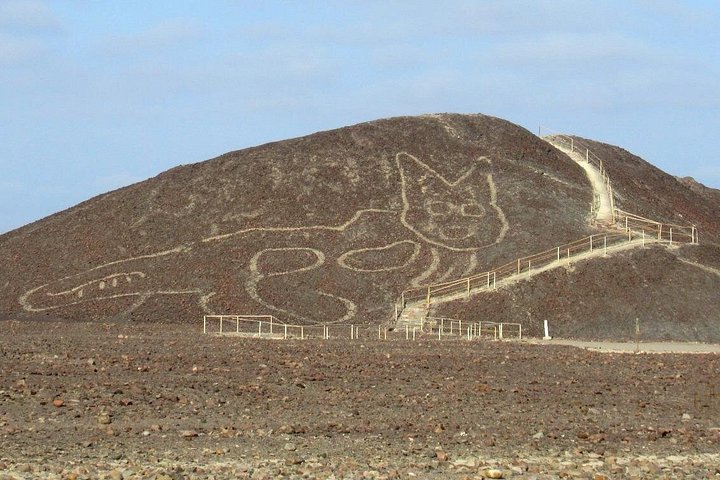
Nasca Lines – The Sacred Landscape The lines are known as geoglyphs – drawings on the ground made by removing rocks and earth to create a “negative” image. The rocks which cover the desert have oxidized and weathered to a deep rust color, and when the top 12-15 inches of rock is removed, a light-colored, high contrasting sand is exposed. Because there’s so little rain, wind and erosion, the exposed designs have stayed largely intact for 500 to 2000 years. Scientists believe that the majority of lines were made by the Nasca people who flourished from around A.D. 1 to 700. Certain areas of the pampa look like a well-used chalk board, with lines overlapping other lines, and designs cut through with straight lines of both ancient and more modern origin.
포함 사항
포함되는 것
- • Premium transportation - Air-conditioned vehicle | support 24/7
- • Priority access - No waiting in lines | • Hassle-free service - Hotel transfers included
- Ballestas Island Boat Tour | Bodega 1615 Pisco Demostration
- Professional bilingual guide - Stories & insights included
- • Complete package - All fees, taxes, and Admission tickets covered
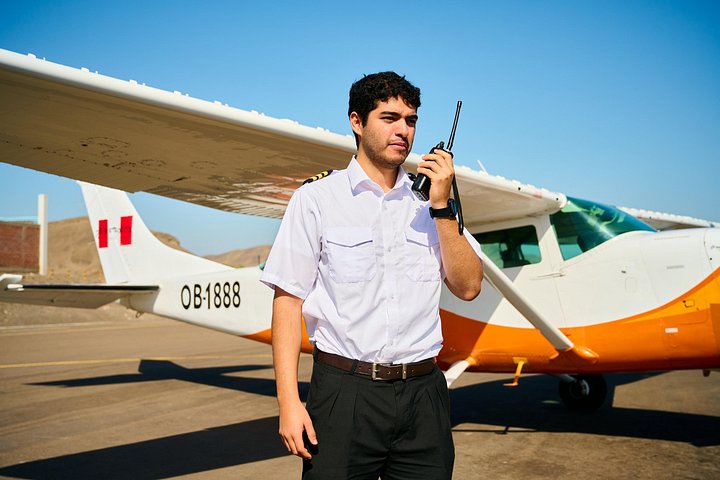
- Flight to Nazca Lines 1H 35M (Cessna Gran Caravan)
포함되지 않는 것
- “Meals and beverages are not part of the tour package.”
- Travel insurance
- International and domestic flights | Hotel stays and accommodations
일정
The Nazca Lines, in southern Peru, are a group of pre-Columbian geoglyphs that extend into the desert sands. They cover an area of almost 1,000 square kilometers and there are around 300 different figures, which include animals and plants. They are composed of more than 10,000 lines, some of them 30 meters wide and more than 9 kilometers long. It is easier to see the figures from the air or from nearby mountains.
Early inhabitants used the islands as a source of guano, a natural fertilizer, which was exported worldwide during the 19th century. This lucrative industry brought wealth and prosperity to the region, but it also led to the exploitation of the islands' natural resources.
The town of Santa Maria Magdalena, which was founded in 1572, had a port named Pisco, after the name of the valley in which it was located. This port became an important route for distribution of the liqueur throughout Peru.
Bodega San Nicolás, the producer of “1615” pisco, uses its own vineyards to get its musts or grape juices. Their vineyards have their own history as they are located on the same ancient hacienda belonging to the Jesuits who were in charge of the bodegas and where the first piscos were distilled in the XVII's century.
Huacachina dates back centuries, when it was a resting place for travelers crossing the desert. Over time, its fame grew, and it became a premier tourist destination. Today, it combines the tranquility of its natural surroundings with a vibrant array of activities for adventure lovers.
취소 규정
All sales are final. No refund is available for cancellations.
출발 전 알아둘 점
- 픽업
- 모든 인원 픽업이 포함됩니다.
- 티켓 종류
- Mobile or paper ticket accepted
- 운영사
- Peru4Fun Servicios Turísticos EIRL
- Suitable for all physical fitness levels
- Passport name, number, expiry and country is required at time of booking for all participants
- The duration of transfers are approximate, the exact duration will depend on the time of day and traffic conditions
How it compares in Nazca
- Its from-price is 809% above the median of the 53 experiences we list in Nazca.
- It is longer than most of them.
About Nazca
Nazca is a desert town on Peru's south coast, famous for giant ancient lines and figures etched into the plain, best seen from the air or a viewing tower.
Nazca lies in a coastal valley in southern Peru, at the foot of the Andes, in one of the driest stretches of the country. On the plains nearby, the Nazca Lines, giant figures of a hummingbird, a monkey, a spider and a condor, together with straight lines and geometric shapes, were etched in the stony ground between about 500 BC and AD 500. UNESCO lists them as a World Heritage site, and the German mathematician Maria Reiche spent decades mapping them.
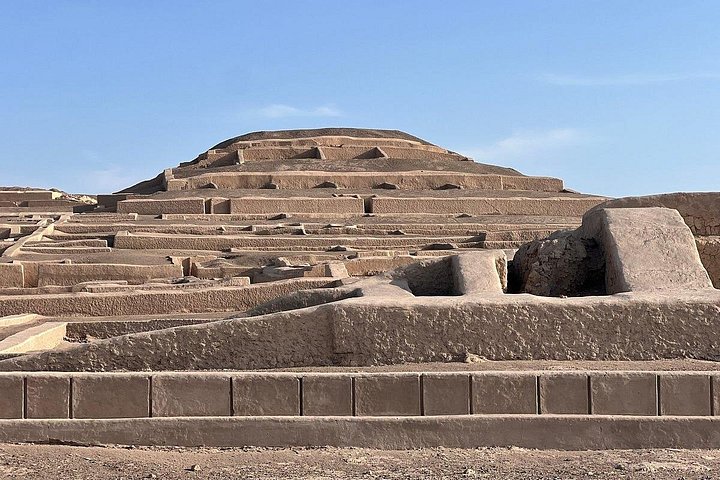
Top-ranked sights in Nazca: Cantalloc Aqueducts (Acueductos de Cantalloc).