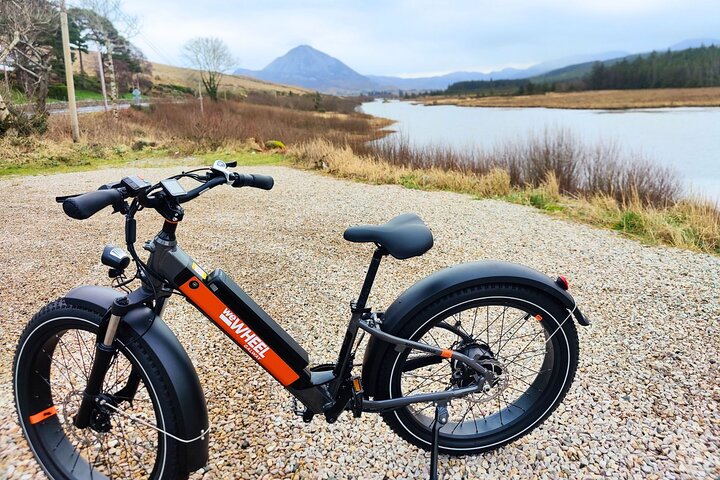
eBiking Glenveagh National Park. Donegal. Self guided. 3 hours.
설명은 영어로 표시됩니다.
- 3시간
- 시작 24시간 전까지 무료 취소
- 영어 가이드
- 즉시 확정
하이라이트
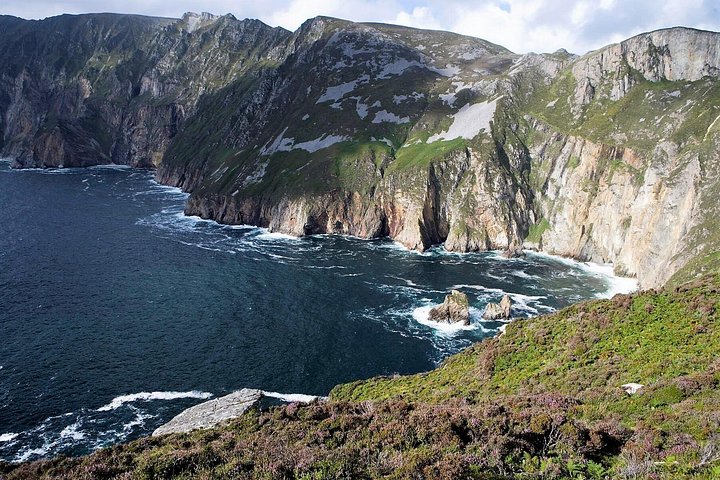
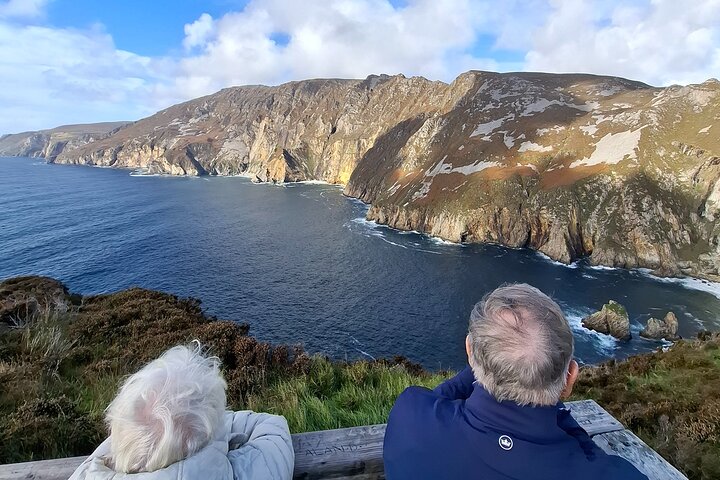
Easy to find collection and drop off point. Situated in the beautiful grounds of Donegal’s Glenveagh National Park. Stunning natural scenery. As a special area of conservation it contains unique flora and fauna. A rare opportunity to see Ireland’s re-introduced Golden eagles.
포함 사항
포함되는 것
- Suggested routes with a list of attractions and things to do along each route.
- Breakdown support.
- Helmets and High Viz jackets.
포함되지 않는 것
- No food or drink.
- Gratuities
취소 규정
체험 시작 24시간 전까지 무료로 취소하고 전액 환불받을 수 있습니다.
후기
5.0
- 52
- 40
- 30
- 20
- 10
평점은 저희 예약 파트너가 모은 후기 2개를 바탕으로 합니다. 여행자가 직접 쓴 글을 쓰인 순서 그대로 보여주며, 체험을 좋아 보이게 하려고 순서를 바꾸지 않습니다.
출발 전 알아둘 점
- 미팅 장소
- eBikes are available in the Visitors car park of Glenveagh National Park.
- 픽업
- 모두 출발 장소에서 모이며, 픽업은 없습니다.
- 티켓 종류
- Mobile or paper ticket accepted
- 운영사
- Ireland Wild Escapes
- Specialized infant seats are available
- Not recommended for travelers with spinal injuries
- Not recommended for travelers with poor cardiovascular health
- Not recommended for pregnant travelers
- Service animals allowed
- Infants and small children can ride in a pram or stroller
- Suitable for all physical fitness levels
- Wheelchair accessible
How it compares in Donegal
- Its from-price is 89% below the median of the 48 experiences we list in Donegal.
- Its length is typical for the group.
- By number of reviews it ranks 18 of 48.
- The operator lists free cancellation on it.
About Donegal
Donegal is a harbour town at the head of Donegal Bay in north-west Ireland, with a fifteenth-century castle and wild Atlantic coast around it.
Donegal town stands where the River Eske meets Donegal Bay, in the far north-west of Ireland. The Diamond, a triangular market square with an obelisk, is the centre, and Donegal Castle, a fifteenth-century O'Donnell stronghold with a seventeenth-century wing, stands beside the river. Nearby, the ruins of a Franciscan friary recall the Four Masters, who compiled Irish annals in the 1630s.