Ancient Egypt Uncovered: Memphis, Sakkara & Dahshur Pyramids
설명은 영어로 표시됩니다.
- 5시간
- 빠른 입장
- 시작 24시간 전까지 무료 취소
- 3개 언어
하이라이트
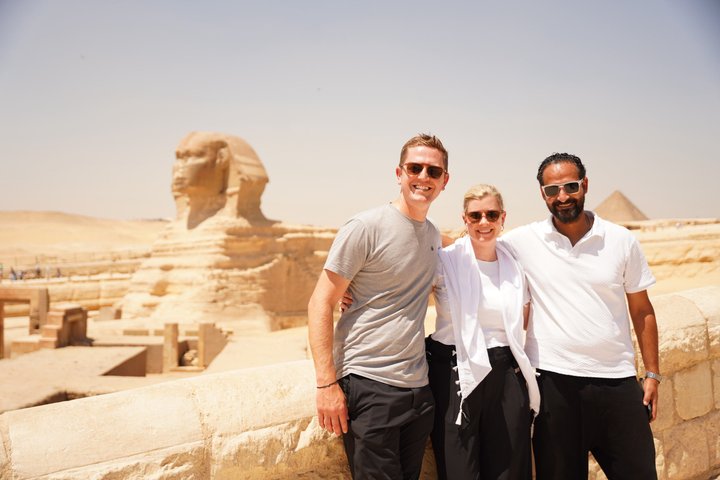
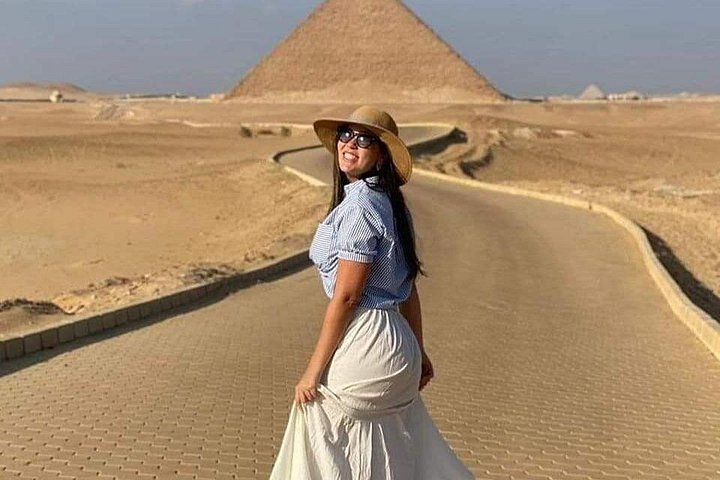
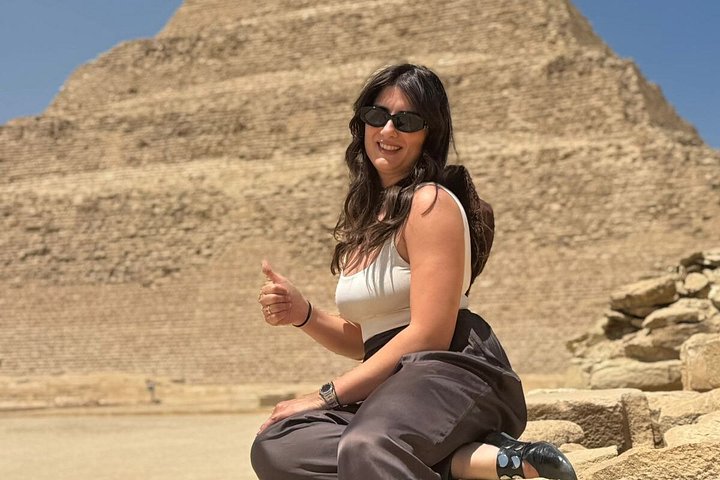
Embark on an extraordinary journey through the ancient wonders of Egypt with our exclusive tour package, Ancient Egypt Uncovered: Memphis, Sakkara & Dahshur Pyramids. Discover the secrets of the past as you visit the renowned pyramids of Memphis, explore the intricate tombs of Sakkara, and marvel at the impressive structures of Dahshur. Uncover the mysteries of the pharaohs and experience the allure of Ancient Egypt like never before.
포함 사항
포함되는 것
- Private transportation
- Guide on site
- Bottled water
- Entry Fees
- Air-conditioned vehicle
포함되지 않는 것
- Tipping
- Lunch
일정
The Serapeum of Saqqara was the ancient Egyptian burial place for sacred bulls of the Apis cult at Memphis. It was believed that the bulls were incarnations of the god Ptah, which would become immortal after death as Osiris-Apis. a name which evolved to Serapis (Σέραπις) in the Hellenistic period, and Userhapi (ⲟⲩⲥⲉⲣϩⲁⲡⲓ) in Coptic. It is part of the Saqqara necropolis, which includes several other animal catacombs, notably the burial vaults of the mother cows of the Apis. Over a timespan of approximately 1400 years, from the New Kingdom of Egypt to the end of the Ptolemaic Period, at least sixty Apis are attested to have been interred at the Serapeum. For the earliest burials, isolated tombs were constructed. As the cult gained importance, underground galleries were dug that connected subsequent burial chambers. Above ground, the main temple enclosure was supplemented by shrines, workshops, housing and administrative quarters.
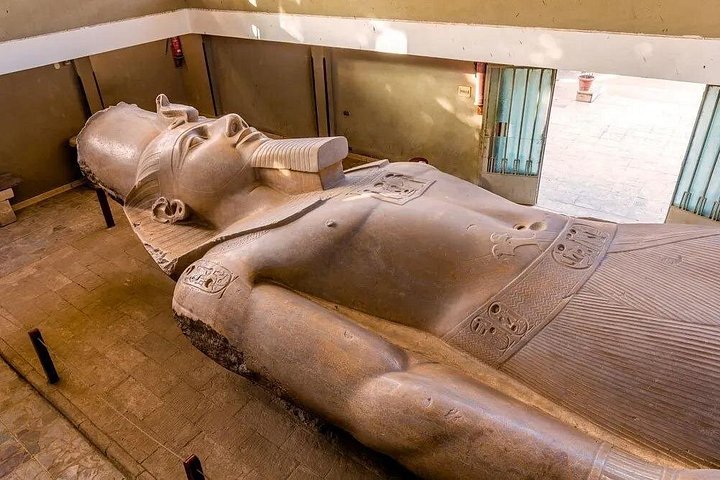
Memphis (Arabic: مَنْف, romanized: Manf, pronounced [mænf]; Bohairic Coptic: ⲙⲉⲙϥⲓ; Greek: Μέμφις), or Men-nefer, was the ancient capital of Inebu-hedj, the first nome of Lower Egypt that was known as mḥw ("North").[3] Its ruins are located in the vicinity of the present-day village of Mit Rahina (Arabic: ميت رهينة), in markaz (county) Badrashin, Giza, Egypt.[4]
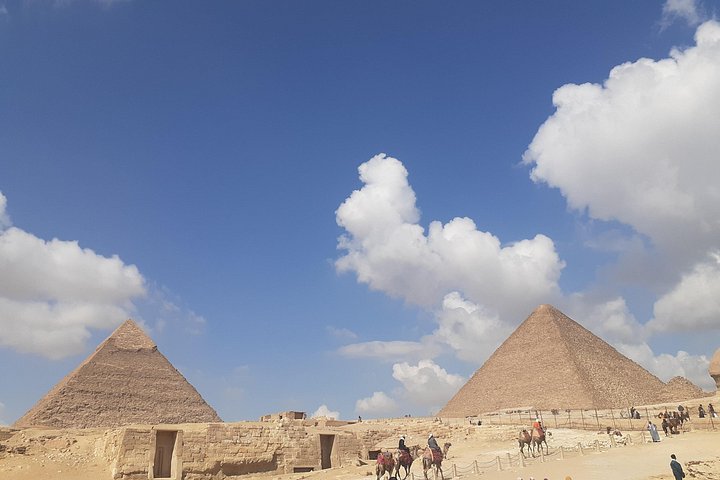
Dahshur[transliteration 1] (in English often called Dashur; Arabic: دهشور Dahšūr pronounced [dɑhˈʃuːɾ], Coptic: ⲧⲁϩϭⲟⲩⲣ Dahchur[1]) is an ancient Egyptian pyramid complex and necropolis and shares the name of the nearby village of Manshiyyat Dahshur (Arabic: منشأة دهشور) in markaz Badrashin, Giza.[2]
취소 규정
체험 시작 24시간 전까지 무료로 취소하고 전액 환불받을 수 있습니다.
출발 전 알아둘 점
- 픽업
- 픽업을 제공하며, 출발 장소에서 직접 만나도 됩니다.
- 티켓 종류
- Mobile or paper ticket accepted
- 운영사
- Egipto Excursiones
- Public transportation options are available nearby
- Specialized infant seats are available
- Not recommended for travelers with spinal injuries
- Not recommended for pregnant travelers
- Not recommended for travelers with poor cardiovascular health
- Suitable for all physical fitness levels
- Enjoy tour with 20-minute stops at each location: explore natural oils and soft Egyptian cotton at Paradise Perfumes & Flower Cotton, watch papyrus making and view traditional artwork at Key of Life Papyrus, and see skilled artisans hand-weaving rugs at local school Handmade Carpets. enjoy government stops where to find high quality souvenirs granteed by Egyptian government
How it compares in Giza
- Its from-price is close to the median of the 86 관광명소 & 박물관 we list in Giza.
- Its length is typical for the group.
- The operator lists free cancellation on it.
About Giza
Giza, on the edge of Cairo, is home to the Great Pyramid, the Sphinx and a desert plateau that has drawn travellers for thousands of years.
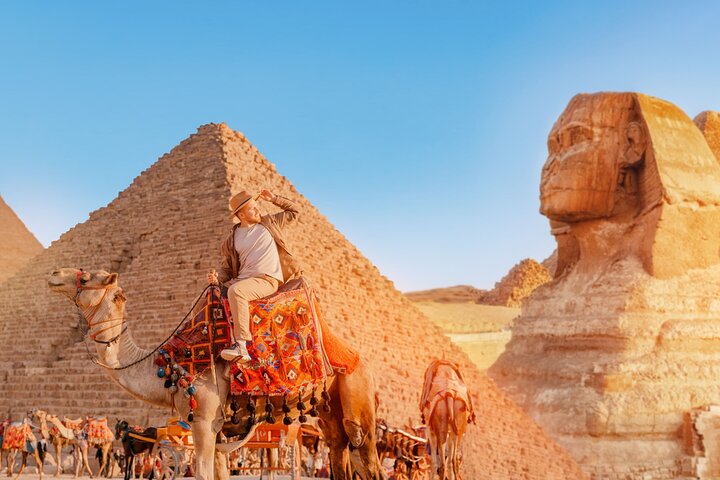
The plateau holds three great pyramids, built for the pharaohs Khufu, Khafre and Menkaure, along with smaller queens' pyramids and rows of nobles' tombs. The Great Pyramid of Khufu is the last of the Seven Wonders of the Ancient World still standing, and the Great Sphinx keeps watch below, carved from the bedrock beside Khafre's valley temple.
Top-ranked sights in Giza: Sphinx (Great Sphinx of Giza), Giza Pyramids, Great Pyramid of Giza (Khufu Pyramid).
Giza 특가
할인 전후 가격은 운영사가 정한 것이며, 저희가 붙인 것이 아닙니다.