Tokyo Customized Private Tour Explore Your Way in 1 Day
説明は英語で表示されます。
- 4〜8時間
- 24時間前まで無料キャンセル
- 2言語
- 即時確定
見どころ
This tour is private and fully customized to your interests and needs. Before the tour, you’ll be asked to complete a short questionnaire about not only the places you would like to visit, but also your hobbies, preferred pace, and the kinds of experiences you would like to have. Our Tokyo experts will then design your ideal itinerary just for you. Whether you’re looking for a plan that the whole family can enjoy, a tour focused on your personal hobbies, or a shopping route to find the items you want in Japan — we can tailor it all to your requests. Perfect for both first-time visitors and repeat travelers, this tour lets you explore Tokyo through a route designed uniquely for you, experiencing its charm in the most personal way. Learn about Tokyo from a professional and friendly local guide, and discover this vast city without getting lost. You’ll also gain insider local tips directly from your private guide. Please note that meals and admission fees are not included.
含まれるもの
料金に含まれるもの
- Customizable Walking Tour
- Professional Local English Speaking Guide
含まれないもの
- Private Vehicle
- Meals & Drinks (for you & guide)
- All Transport Fares (for you & guide)
- Optional, additional fee applies
- Personal expenses
行程
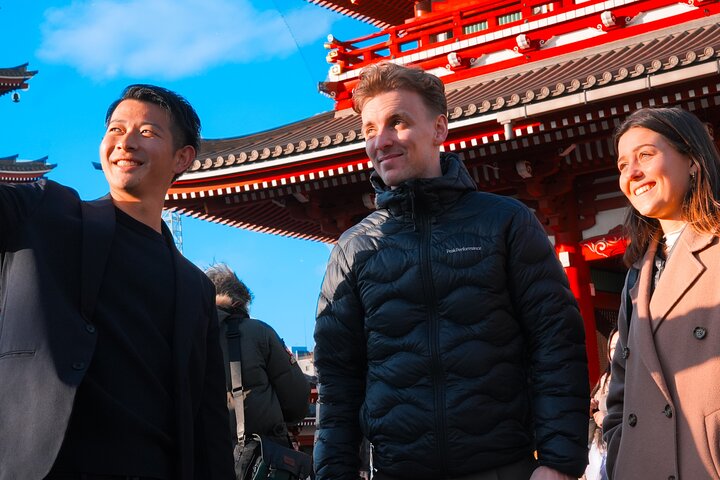
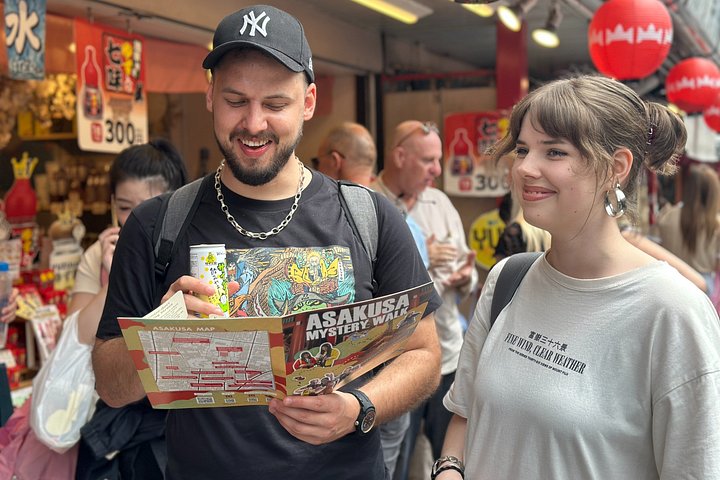
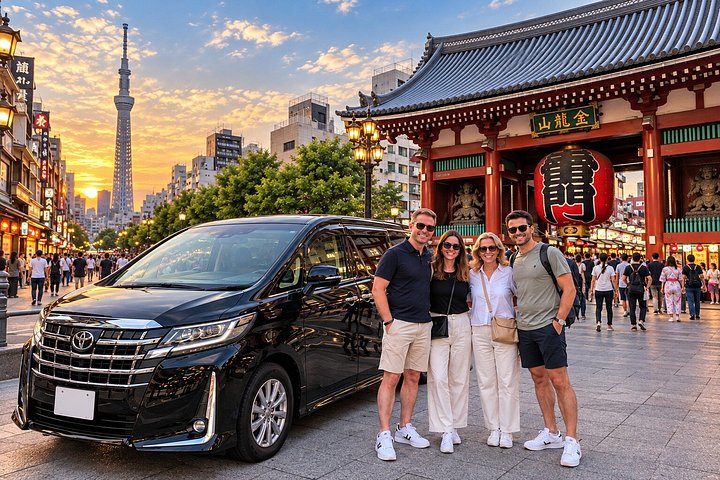
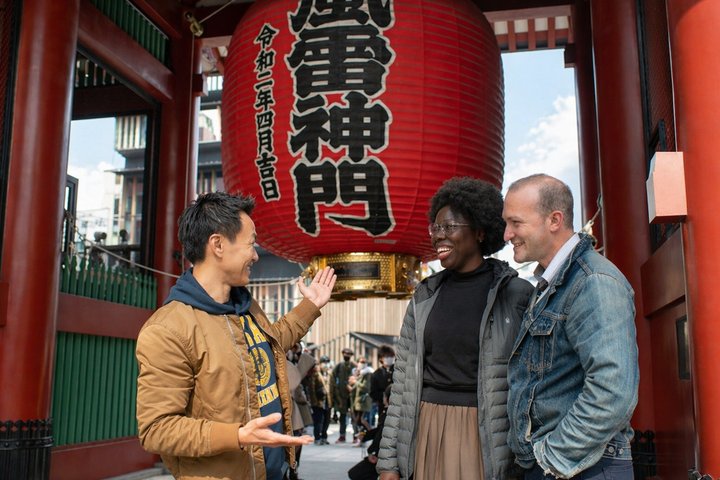
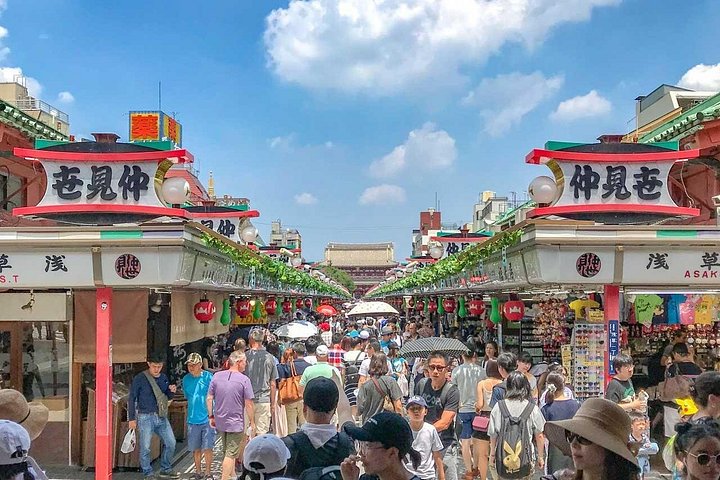
The locations below are just examples of what you can explore. Your itinerary will be fully customized around your interests, preferences, and tour duration. Your guide can combine some of the places listed below with other destinations across Tokyo to create an experience tailored to you. Asakusa (浅草) is the center of Tokyo's shitamachi (literally "low city"), one of Tokyo's districts, where an atmosphere of the Tokyo of past decades survives. Asakusa's main attraction is Sensoji, a very popular Buddhist temple, built in the 7th century. The temple is approached via the Nakamise, a shopping street that has been providing temple visitors with a variety of traditional, local snacks and tourist souvenirs for centuries.
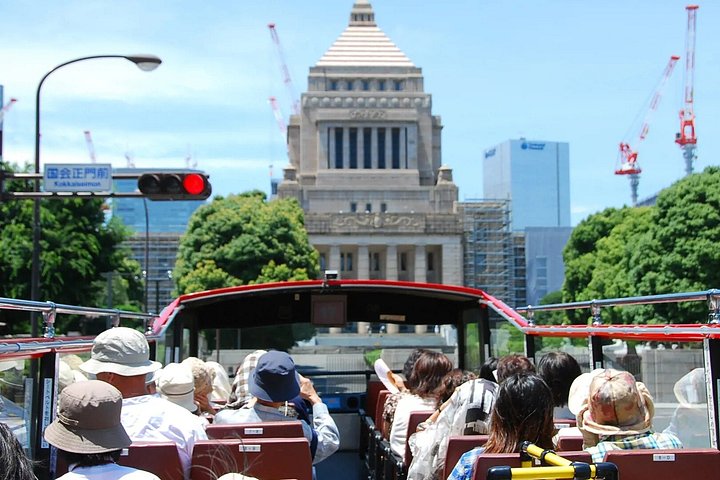
This tour does not include access to the inside of the Imperial Palace** The current Imperial Palace is located on the former site of Edo Castle, a large park area surrounded by moats and massive stone walls in the center of Tokyo, a short walk from Tokyo Station. It is the residence of Japan's Imperial Family. Edo Castle used to be the seat of the Tokugawa shogun who ruled Japan from 1603 until 1867. In 1868, the shogunate was overthrown, and the country's capital and imperial residence were moved from Kyoto to Tokyo. In 1888 construction of a new Imperial Palace was completed. The palace was once destroyed during World War Two, and rebuilt in the same style, afterwards.
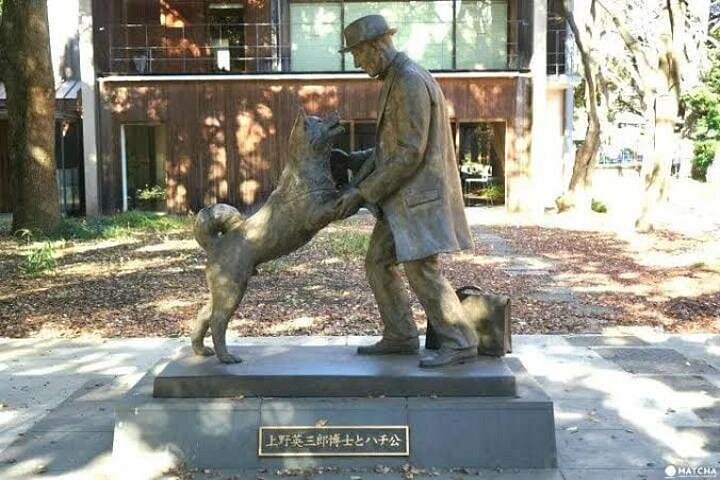
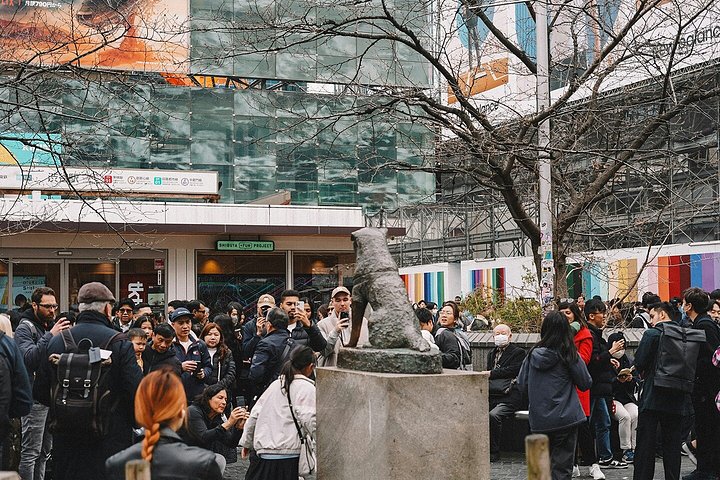
Said to be the busiest crossing in the world, Shibuya Scramble is a marvel of modern cities. You can also visit the loyal Hachiko dog statue here!
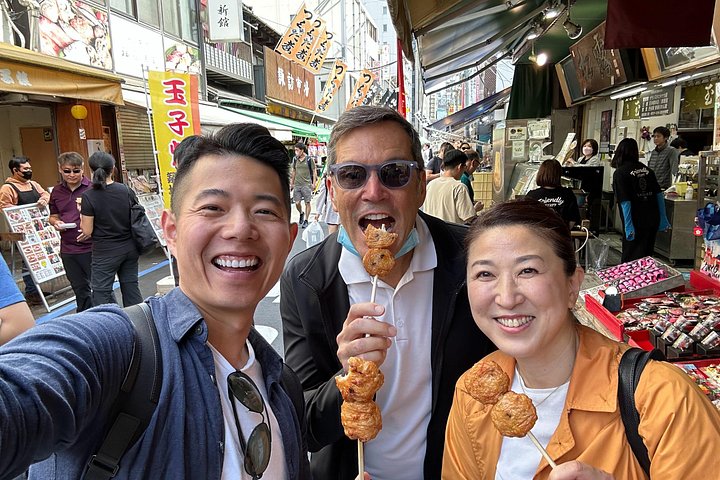
Explore the old fish market in Tokyo!
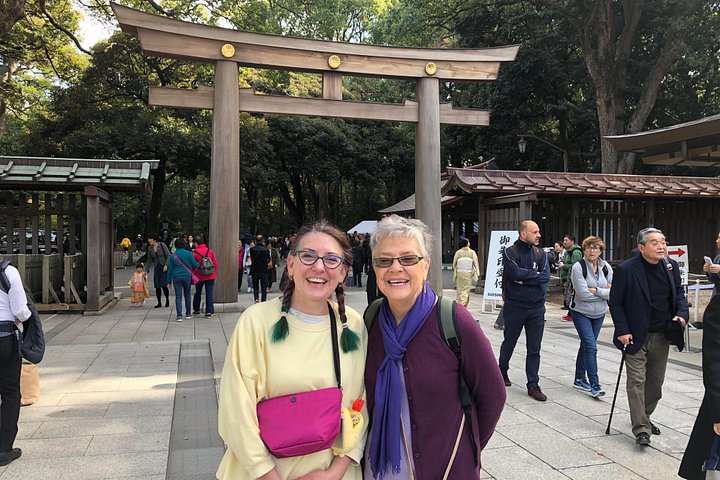
Meiji Shrine (明治神宮, Meiji Jingū) is a shrine dedicated to the deified spirits of Emperor Meiji and his consort, Empress Shoken. Located just beside the JR Yamanote Line's busy Harajuku Station, Meiji Shrine and the adjacent Yoyogi Park make up a large forested area within the densely built-up city. The spacious shrine grounds offer walking paths that are great for a relaxing stroll. The shrine was completed and dedicated to the Emperor Meiji and the Empress Shoken in 1920, eight years after the passing of the emperor and six years after the passing of the empress. The shrine was destroyed during the Second World War but was rebuilt shortly thereafter.
Akihabara (秋葉原), also called Akiba after a former local shrine, is a district in central Tokyo that is famous for its many electronics shops. In more recent years, Akihabara has gained recognition as the center of Japan's otaku (diehard fan) culture, and many shops and establishments devoted to anime and manga are now dispersed among the electronic stores in the district. On Sundays, Chuo Dori, the main street through the district, is closed to car traffic from 13:00 to 18:00 (until 17:00 from October through March).
Koishikawa Korakuen (小石川後楽園, Koishikawa Kōrakuen) is one of Tokyo's oldest and best Japanese gardens. It was built in the early Edo Period (1600-1867) at the Tokyo residence of the Mito branch of the ruling Tokugawa family. Like its namesake in Okayama, the garden was named Korakuen after a poem encouraging a ruler to enjoy pleasure only after achieving happiness for his people. Koishikawa is the district in which the garden is located in.
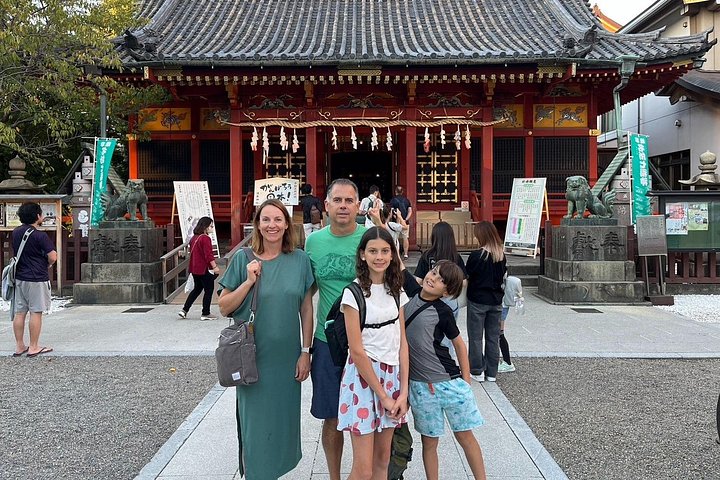
Sensoji (浅草寺, Sensōji, also known as Asakusa Kannon Temple) is a Buddhist temple located in Asakusa. It is one of Tokyo's most colorful and popular temples. The legend says that in the year 628, two brothers fished a statue of Kannon, the goddess of mercy, out of the Sumida River, and even though they put the statue back into the river, it always returned to them. Consequently, Sensoji was built nearby for the goddess of Kannon. The temple was completed in 645, making it Tokyo's oldest temple.
Yoyogi Park (代々木公園, Yoyogi Kōen) is one of Tokyo's largest city parks, featuring wide lawns, ponds and forested areas. It is a great place for jogging, picnicking and other outdoor activities. Although Yoyogi Park has relatively few cherry trees compared to other sites in Tokyo, it makes for a nice cherry blossom viewing spot in spring. Furthermore, it is known for its ginko tree forest, which turns intensely golden in autumn.
Harajuku (原宿) refers to the area around Tokyo's Harajuku Station, which is between Shinjuku and Shibuya on the Yamanote Line. It is the center of Japan's most extreme teenage cultures and fashion styles, but also offers shopping for adults and some historic sights. The focal point of Harajuku's teenage culture is Takeshita Dori (Takeshita Street) and its side streets, which are lined by many trendy shops, fashion boutiques, used clothes stores, crepe stands and fast food outlets geared towards the fashion and trend conscious teens.
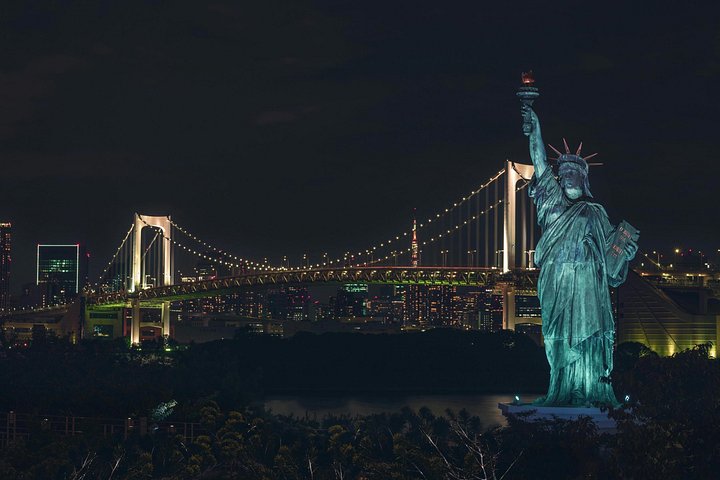
Odaiba (お台場) is a popular shopping and entertainment district on a man made island in Tokyo Bay. It originated as a set of small man made fort islands (daiba literally means "fort"), which were built towards the end of the Edo Period (1603-1868) to protect Tokyo against possible attacks from the sea and specifically in response to the gunboat diplomacy of Commodore Perry. More than a century later, the small islands were joined into larger islands by massive landfills, and Tokyo began a spectacular development project aimed to turn the islands into a futuristic residential and business district during the extravagant 1980s. But development was critically slowed after the burst of the "bubble economy" in the early 1990s, leaving Odaiba nearly vacant.
Shibamata (柴又) is a neighborhood on the eastern end of Tokyo, not far from the Edogawa River which is the natural border between Tokyo and Chiba Prefecture. The town retains its old-school charm from yesteryear and is a perfect break away from modern Tokyo. One of the main attractions to see is the Shibamata Taishakuten Temple not far from the station.
キャンセル
開始24時間前まで無料でキャンセルでき、全額返金されます。
口コミ
5.0
- 528
- 40
- 30
- 20
- 10
評価は予約パートナーが集めた28件の口コミによるものです。旅行者自身の言葉を書かれた順に掲載しており、体験をよく見せるために並べ替えることはありません。
英語で書かれた口コミを表示しています。
5Awesome tour with Meg
Meg was a great guide. She took us all around Tokyo and gave us a ton of advice for the rest of the days we are here. Would highly recommend her!
5Meglio experience tour
Very good time in Tokyo. We will visit Akihabara, Asakusa and Shibuya. Good experience and and very fast to change mind for our idea and need. Thanks 😊
5Perfect for families with children
The tour offered a satisfying experience even in a short time, making it perfect for young children. We efficiently walked while experiencing the condensed charm of Tokyo.
5Peace of mind
Since I was a bit tired from walking, they kindly changed our plans to a cafe instead of our original destination. Their service was attentive, and I felt anyone would enjoy it.
5English support is reassuring
I participated with friends from overseas, and they were thrilled with the flawless English explanations. The tour was very smooth, with thoughtful consideration for cultural differences.
5can be explored in depth
They accommodated even our niche requests, allowing us to discover a side of Tokyo we wouldn't normally notice. I was amazed by guide Mariko's wealth of knowledge.
参加前に知っておくこと
- 送迎
- 送迎は全員に含まれます。
- チケットの種類
- Mobile or paper ticket accepted
- 催行会社
- Fuji Tour
- Wheelchair accessible
- Infants and small children can ride in a pram or stroller
- Service animals allowed
- Public transportation options are available nearby
- Specialized infant seats are available
- Transportation options are wheelchair accessible
- Suitable for all physical fitness levels
- Please contact us if you are running late. If we are unable to reach you within 15 minutes after the scheduled start time, the booking may be considered a no-show.
How it compares in 東京
- Its from-price is 35% below the median of the 731 シティツアー we list in 東京.
- Its length is typical for the group.
- By number of reviews it ranks 99 of 731.
- The operator lists free cancellation on it.
About 東京
ネオンの輝く繁華街、静かな神社、すばらしい食、個性的な街区が集まる東京は、時間に正確な電車で結ばれた広大で秩序ある大都市です。
どの地区もそれぞれが独立した街のようです。渋谷の有名なスクランブル交差点と新宿の高層ビル、バー、ゴールデン街の路地は活気にあふれ、原宿は若者のファッションと、森に包まれた明治神宮の静けさが同居します。浅草では浅草寺と仲見世通りが古い東京を今に伝え、銀座には洗練された百貨店とギャラリーが並びます。
Top-ranked sights in 東京: Senso-ji Temple (Asakusa Temple), Tokyo Imperial Palace, Meiji Shrine (Meiji Jingu).
東京の特別価格
割引前と割引後の価格は事業者が示すもので、当サイトが付けたものではありません。