Tokyo City Tour & Tea Ceremony Experience, Licensed Guide
説明は英語で表示されます。
- 5時間
- 24時間前まで無料キャンセル
- 2言語
- 即時確定
見どころ
This 5 hour walking tour includes 1 hour tea ceremony experience with Kimono at HiSUi TOKYO in Ginza. Before your tea ceremony experience, you will go on a 4 hr walking tour with our licensed guide! Your guide will participate in tea ceremony experience with you as a translator. Entering the tea room through the Nijiriguchi(small, square entrance to the tea room), you will receive a lecture in the tea room and the correct manner to enjoy Japanese sweets and green tea! You can customize your tour directly with the guide after placing your reservation. Please craft your itinerary by choosing 2 to 3 spots on the ‘what to expect’ or ‘itinerary’ list. Start time: Your start time for the experience may vary. The estimated time for the experience will be about 4 hours from the start of the tour. Experience time: Your experience time may vary.
含まれるもの
料金に含まれるもの
- Meet up with guide on foot within designated area of Tokyo
- Tea ceremony experience with Kimono at Ginza & Customizable Tour 2 -3 sights
- Licensed Local English Speaking Guide
含まれないもの
- Transportation fees, Entrance fees, Lunch, and Other personal expenses
- Private Vehicle
- You cannot combine multiple tour groups.
- Guide Entry fees are only covered for sights listed under What to Expect.
行程
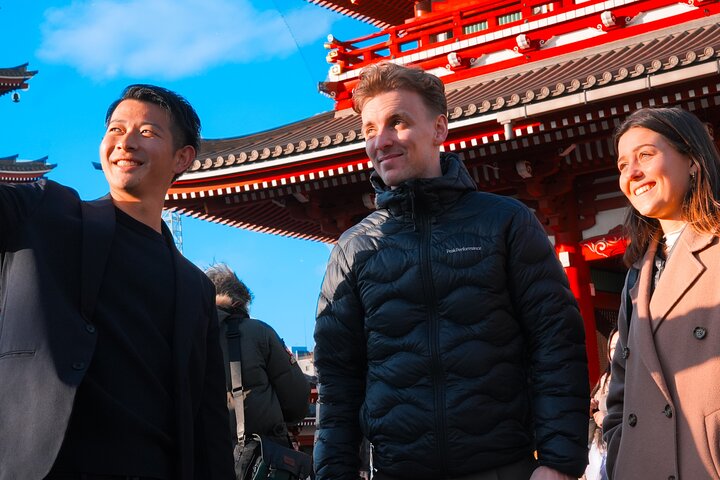
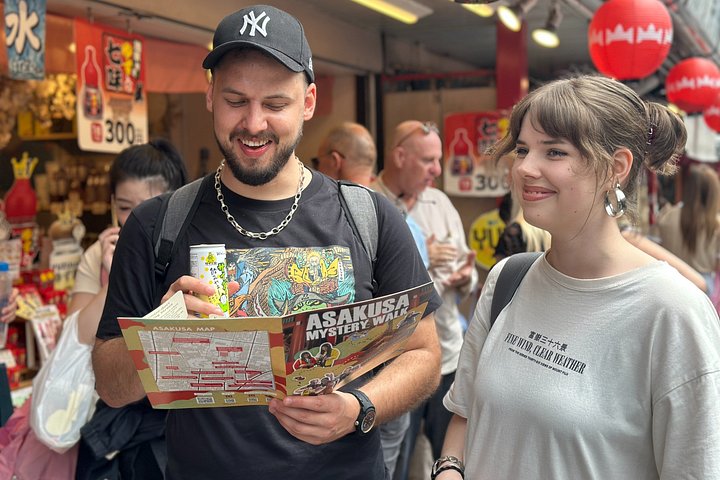
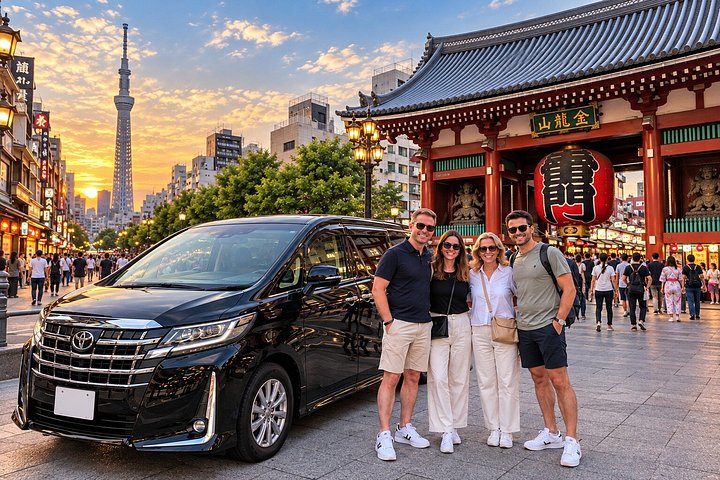
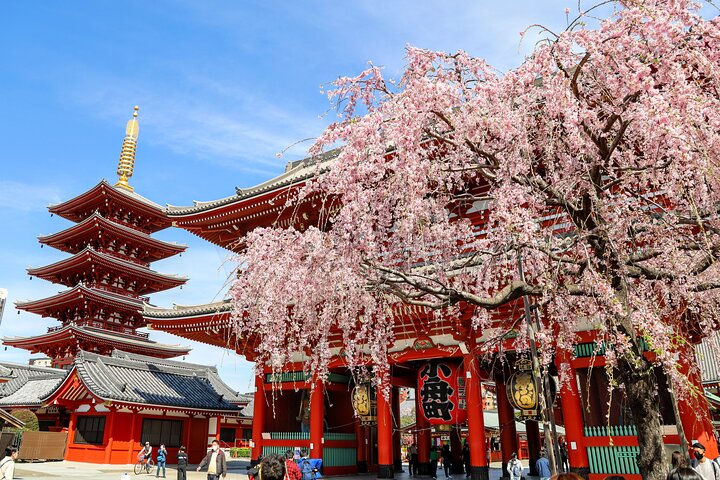
Asakusa (浅草) is the center of Tokyo's shitamachi (literally "low city"), one of Tokyo's districts, where an atmosphere of the Tokyo of past decades survives. Asakusa's main attraction is Sensoji, a very popular Buddhist temple, built in the 7th century. The temple is approached via the Nakamise, a shopping street that has been providing temple visitors with a variety of traditional, local snacks and tourist souvenirs for centuries.
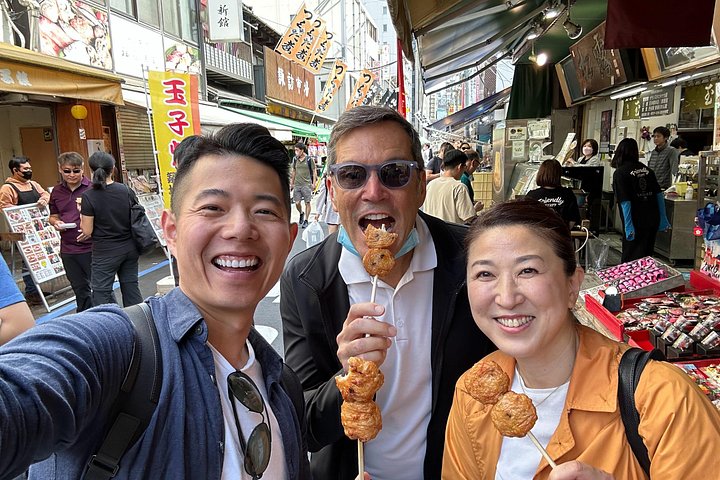
Explore the old fish market in Tokyo!
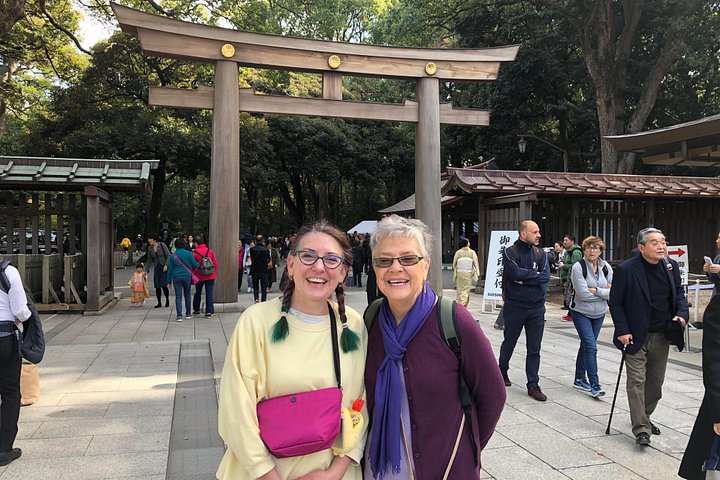
Meiji Shrine (明治神宮, Meiji Jingū) is a shrine dedicated to the deified spirits of Emperor Meiji and his consort, Empress Shoken. Located just beside the JR Yamanote Line's busy Harajuku Station, Meiji Shrine and the adjacent Yoyogi Park make up a large forested area within the densely built-up city. The spacious shrine grounds offer walking paths that are great for a relaxing stroll. The shrine was completed and dedicated to the Emperor Meiji and the Empress Shoken in 1920, eight years after the passing of the emperor and six years after the passing of the empress. The shrine was destroyed during the Second World War but was rebuilt shortly thereafter.
Koishikawa Korakuen is one of Tokyo's oldest and best Japanese gardens. It was built in the early Edo Period (1600-1867) at the Tokyo residence of the Mito branch of the ruling Tokugawa family. Like its namesake in Okayama, the garden was named Korakuen after a poem encouraging a ruler to enjoy pleasure only after achieving happiness for his people. Koishikawa is the district in which the garden is located in. Admission fee Adult: 300 JPY Children and senior (+65): 150 JPY
Hama Rikyu (浜離宮, Hama Rikyū), is a large, attractive landscape garden in central Tokyo. Located alongside Tokyo Bay, Hama Rikyu features seawater ponds which change level with the tides, and a teahouse on an island where visitors can rest and enjoy the scenery. The traditionally styled garden stands in stark contrast to the skyscrapers of the adjacent Shiodome district.
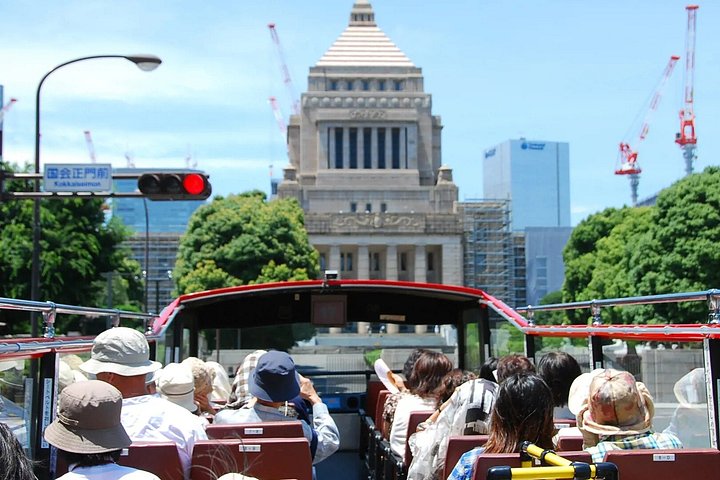
**This tour does not include access to the inside of the Imperial Palace** The current Imperial Palace is located on the former site of Edo Castle, a large park area surrounded by moats and massive stone walls in the center of Tokyo, a short walk from Tokyo Station. It is the residence of Japan's Imperial Family. Edo Castle used to be the seat of the Tokugawa shogun who ruled Japan from 1603 until 1867. In 1868, the shogunate was overthrown, and the country's capital and imperial residence were moved from Kyoto to Tokyo. In 1888 construction of a new Imperial Palace was completed. The palace was once destroyed during World War Two, and rebuilt in the same style, afterwards.
Rikugien (六義園) is often considered Tokyo's most beautiful Japanese landscape garden alongside Koishikawa Korakuen. Built around 1700 for the 5th Tokugawa Shogun, Rikugien literally means "six poems garden" and reproduces in miniature 88 scenes from famous poems. The garden is a good example of an Edo Period strolling garden and features a large central pond surrounded by manmade hills and forested areas, all connected by a network of trails.
Harajuku (原宿) refers to the area around Tokyo's Harajuku Station, which is between Shinjuku and Shibuya on the Yamanote Line. It is the center of Japan's most extreme teenage cultures and fashion styles, but also offers shopping for adults and some historic sights. The focal point of Harajuku's teenage culture is Takeshita Dori (Takeshita Street) and its side streets, which are lined by many trendy shops, fashion boutiques, used clothes stores, crepe stands and fast food outlets geared towards the fashion and trend conscious teens.
Having miraculously avoided major damage during world wars and natural disasters, Yanaka and Nezu—two of the neighborhoods that make up shitamachi, Tokyo's old downtown—retain their last-century charm. You'll find historical sites such as Yanaka Cemetery and Nezu Shrine tucked away among shitamachi's narrow back alleys, traditional wooden houses, izakaya pubs, atmospheric coffee shops and retro stores selling old-style sweets and snacks. Here you can slip back in time to a slower-paced, more genteel Tokyo.
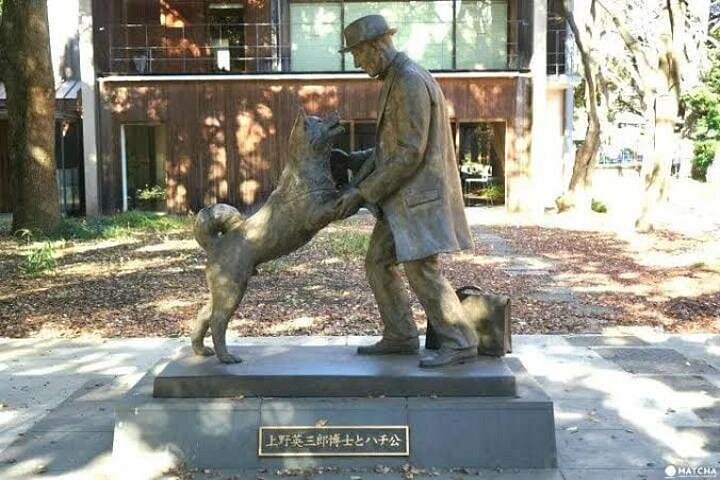
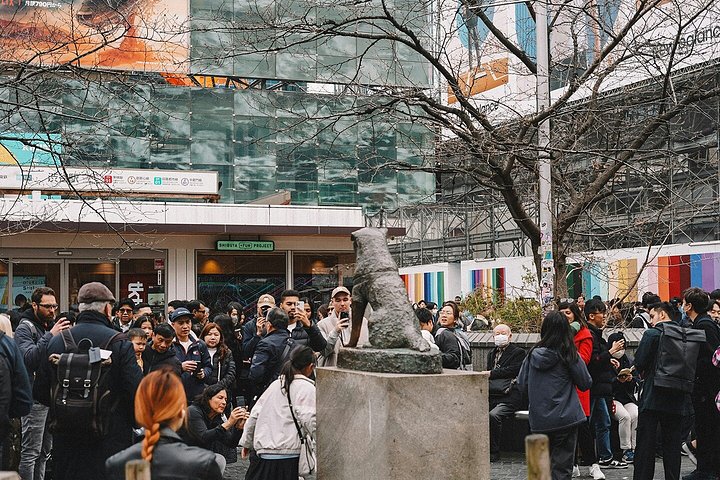
Said to be the busiest crossing in the world, Shibuya Scramble is a marvel of modern cities. You can also visit the loyal Hachiko dog statue here!
The Tokyo National Museum (東京国立博物館, Tōkyō Kokuritsu Hakubutsukan) is the oldest and largest of Japan's top-level national museums, which also include the Kyoto National Museum, the Nara National Museum and the Kyushu National Museum. It was originally established in 1972 at Yushima Seido Shrine and moved to its current location in Ueno Park a few years later. The Tokyo National Museum features one of the largest and best collections of art and archeological artifacts in Japan, made up of over 110,000 individual items including nearly a hundred national treasures. At any one time, about 4000 different items from the permanent museum collection are on display. In addition, visiting temporary exhibitions are also held regularly. Good English information and audio guides are available.
**Only up to the main deck, top deck is not included** The retro cute version of Tokyo Sky tree! This vermillion tower has been a symbol of Tokyo for a generation and can be seen in the background of many famous animes!
キャンセル
開始24時間前まで無料でキャンセルでき、全額返金されます。
参加前に知っておくこと
- 送迎
- 送迎は全員に含まれます。
- チケットの種類
- Mobile or paper ticket accepted
- 催行会社
- Japan Guide Agency
- Service animals allowed
- Public transportation options are available nearby
- Infants and small children can ride in a pram or stroller
- All areas and surfaces are wheelchair accessible
- Transportation options are wheelchair accessible
- Wheelchair accessible
- Suitable for all physical fitness levels
How it compares in 東京
- Its from-price is 62% above the median of the 893 日帰りツアー we list in 東京.
- It is shorter than most of them.
- The operator lists free cancellation on it.
About 東京
ネオンの輝く繁華街、静かな神社、すばらしい食、個性的な街区が集まる東京は、時間に正確な電車で結ばれた広大で秩序ある大都市です。
どの地区もそれぞれが独立した街のようです。渋谷の有名なスクランブル交差点と新宿の高層ビル、バー、ゴールデン街の路地は活気にあふれ、原宿は若者のファッションと、森に包まれた明治神宮の静けさが同居します。浅草では浅草寺と仲見世通りが古い東京を今に伝え、銀座には洗練された百貨店とギャラリーが並びます。
Top-ranked sights in 東京: Senso-ji Temple (Asakusa Temple), Tokyo Imperial Palace, Meiji Shrine (Meiji Jingu).
東京の特別価格
割引前と割引後の価格は事業者が示すもので、当サイトが付けたものではありません。