Sacred Valley VIP Experience – Full Day
説明は英語で表示されます。
- 8時間
- 24時間前まで無料キャンセル
- 2言語
- 即時確定
見どころ
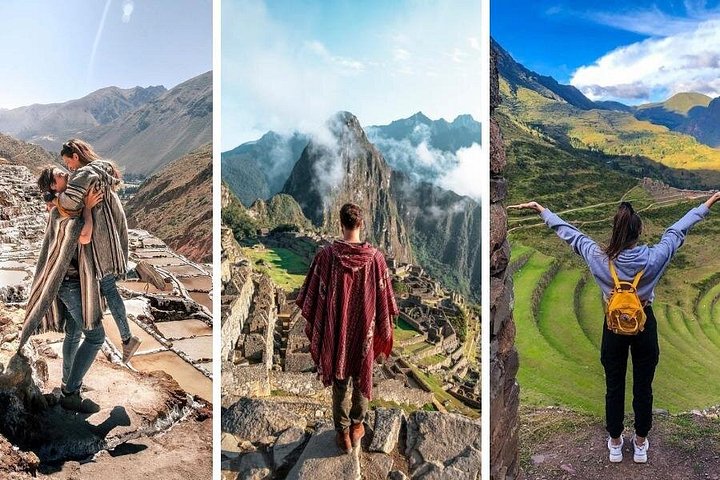
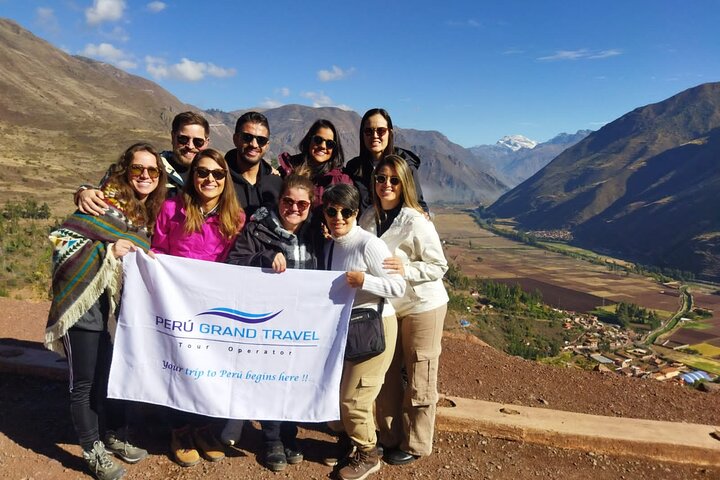
Stretching from Pisac in the South to Machu Picchu in the north, the Sacred Valley is a cornucopia of majestic and steep mountains, ancient ruins, rushing rivers, craft markets, terraced hillsides, good food and native people who value and take care of their homeland.
含まれるもの
料金に含まれるもの
- Transport
- Bi-lingual Guide (Spanish & English)
- Buffet Lunch in Urubamba (Vegan option)
含まれないもの
- Partial Tourist ticket (Boleto Turistico) 70 soles por person | Full sites (130 Soles) for 10 days
- Entrance fee for the salt mines of Maras (10 soles per person)
行程
Chinchero is a small Andean Indian village located high up on the windswept plains of Anta at 3765m about 30km from Cusco. There are beautiful views overlooking the Sacred Valley of the Incas, with the Cordillera Vilcabamba and the snow-capped peak of Salkantay dominating the western horizon. Chinchero is believed to be the mythical birthplace of the rainbow. Its major claim to tourism is its colourful Sunday market which is much less tourist-orientated than the market at Pisac. The village mainly comprises mud brick (adobe) houses, and locals still go about their business in traditional dress. The village may have been an important town in Inca times. The most striking remnant of this period is the massive stone wall in the main plaza which has ten trapezoidal niches. The construction of the wall and many other ruins and agricultural terraces (which are still in use) are attributed to Inca Tupac Yupanqui who possibly used Chinchero as a kind of country resort. In the main plaza an adobe colonial church, dating from the early seventeenth century, has been built upon the foundations of an Inca temple or palace. The ceiling and walls are covered in beautiful floral and religious designs. The church is open on Sundays for mass.
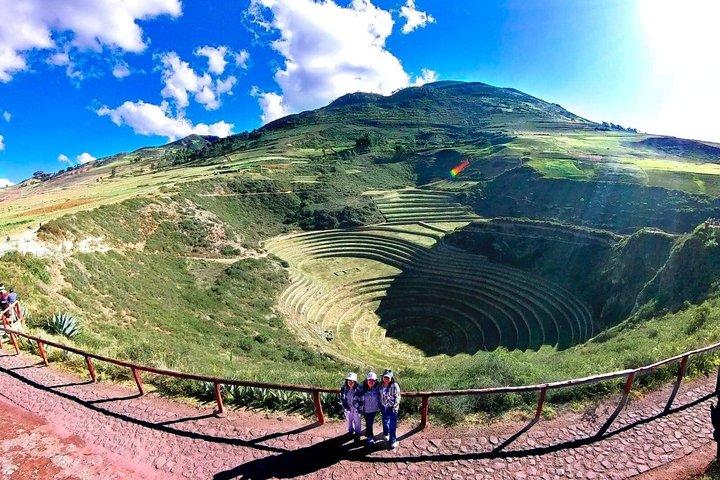
Everywhere you look in Cusco you can see how advanced the Incas were in their agricultural techniques, such as the terracing system and irrigation using aqueducts. In Moray, for example, they used circular terraces that demonstrate the high level of culture the Inca civilization achieved. Moray is 4.5 miles from the town of Maras and 39 miles from Cusco. The main feature that impresses travelers is its system of circular agricultural terraces, which are up to 330 feet deep. They are build using retaining walls connected by an irrigation system. Moray can be considered a crop lab– they used the terraces to create micro-climates and grow various products.
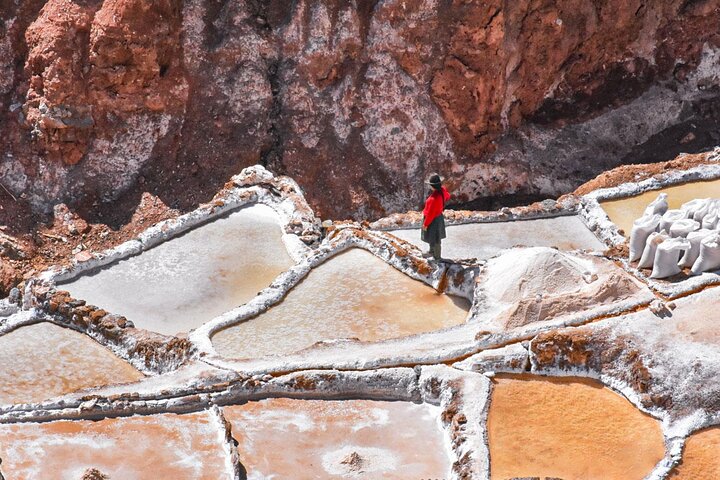
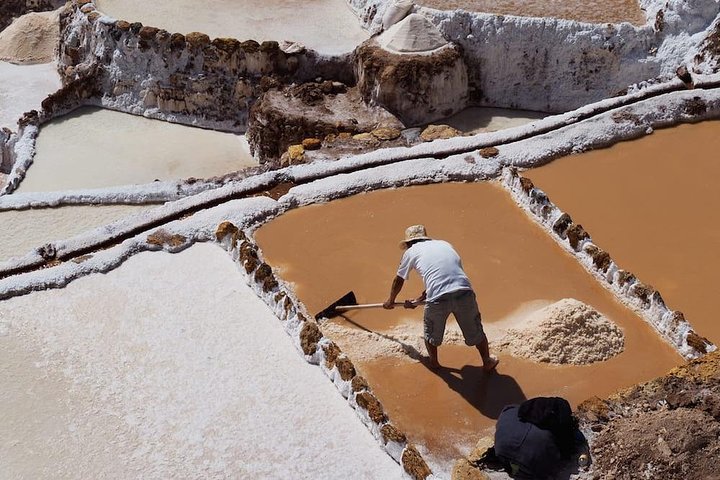
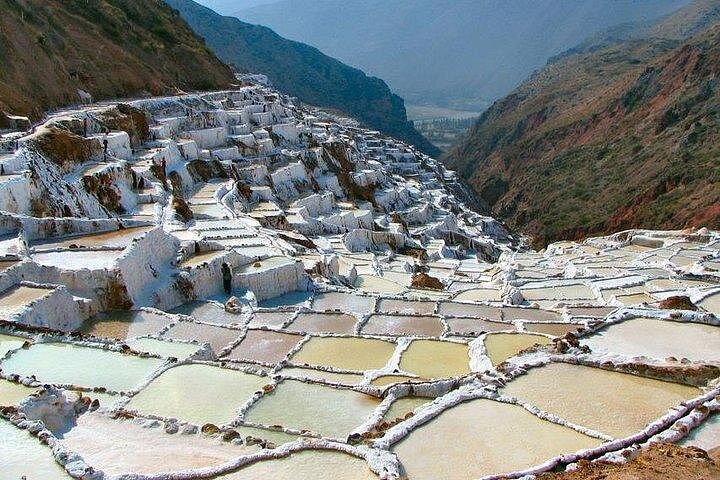
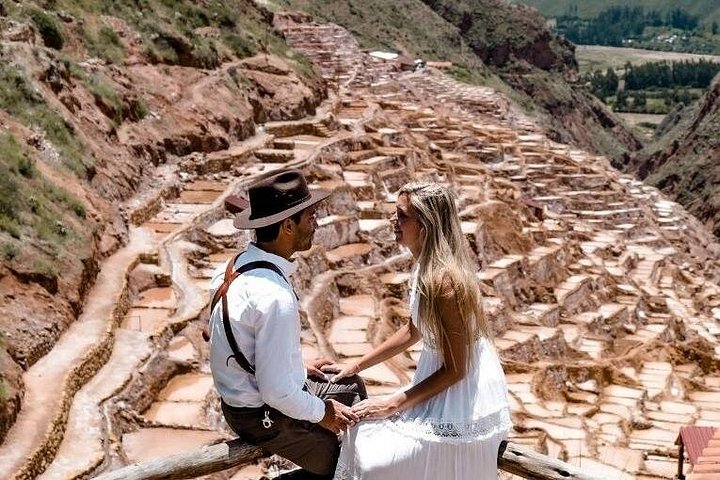
The salt mines, or the famous "salt pools" of Maras are located in the rural community of Pichingoto. This site is highly recommended for photography lovers because of its impressive landscape that stretches out in all of its splendor. It is also perfect for hikers and mountain bikers, since this trail connects the salt mines with the villages of Tarabamba and Pichingoto. Highlights of this area include the Moray archaeological site, a sort of amphitheater formed of various circular terraces. Also worth visiting is the Sanctuary of Tiobamaba, a colonial church built of adobe that houses paintings from Cusco such as The Last Supper.
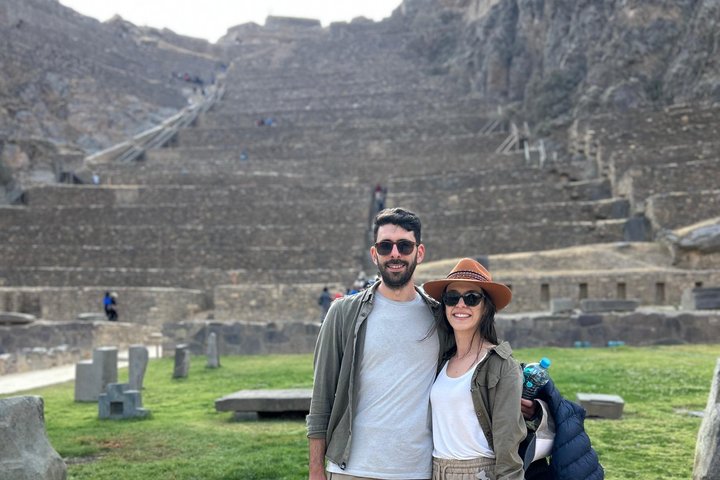
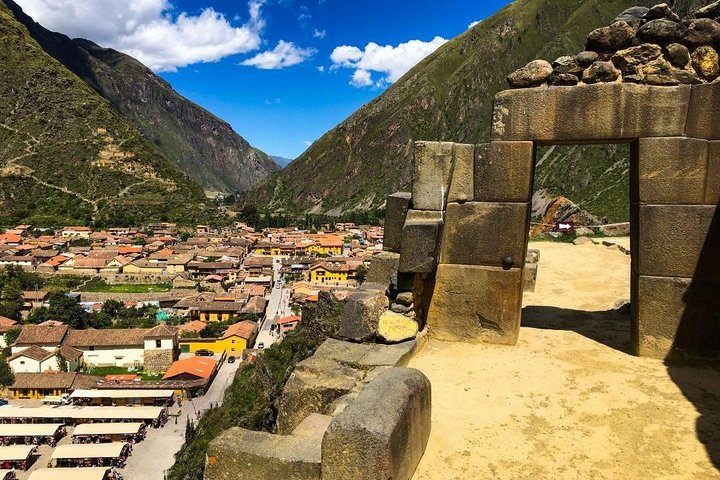
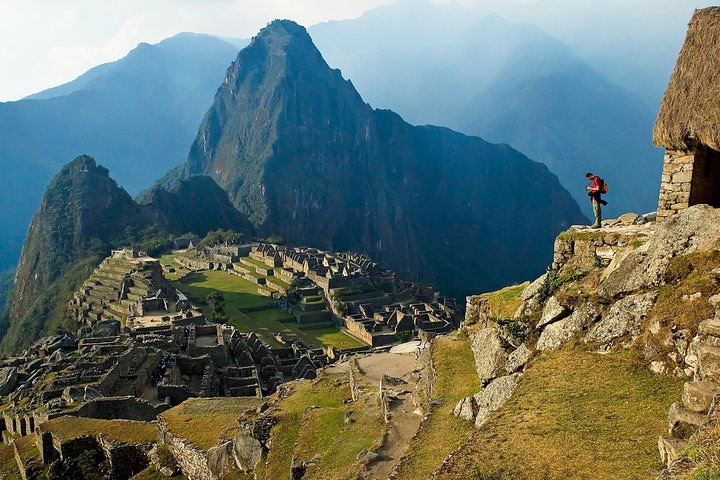
48.5 miles by paved road from Cusco is Ollantaytambo, a lovely village that preserves the designs of Inca buildings located at an altitude of 9160 feet in the province of Urubamba. Among this place's most impressive attractions are the ceremonial temple in worship of water and a fortress that guarded the entrance to the valley to repel any invasions. The temple has a set of terraces lying one atop the other which visitors scale via a steep stairway. The fortress is a stone colossus that was built between two mountains to protect the valley. The area also holds the Temple of Inti (the sun god), Incamisana, the baths of the Ñustas (princesses), the Cachiccata funerary towers, and a group of tiered and very steep terraces on the side of a hill. Ollantaytambo also contains the mountain called Pinculluna or Tunupa, which holds the vestiges of Inca architectural structures which seem to have been a storehouse for various foodstuffs. Ollantaytambo is also a meeting place for nearby communities, such as the Huayruros de Willoc, who can be recognized by their red and black ponchos and hats.
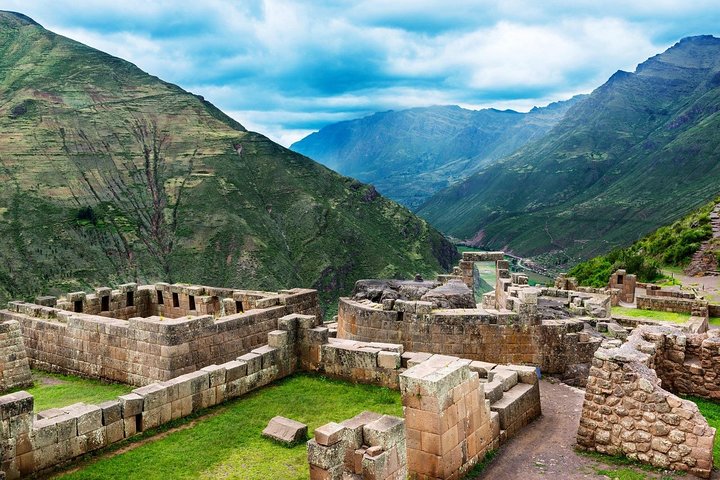
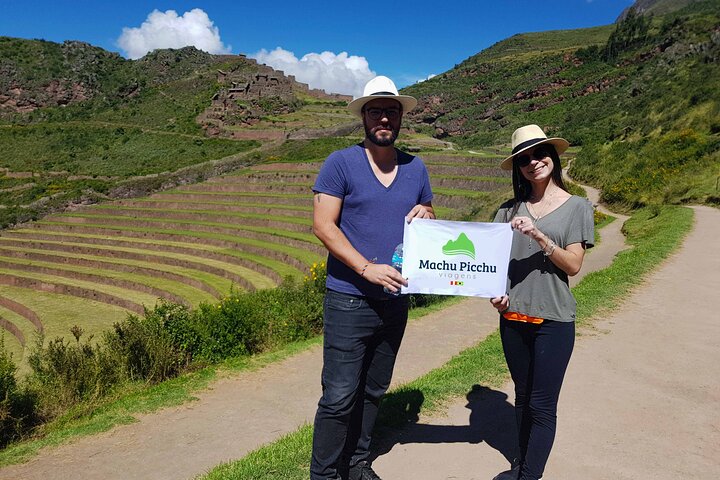
Travelling through the Urubamba Valley, starting at the town of Pisac, enables tourists to visit an archaeological area in the highest mountain areas. Here there are many different buildings, plazas, temples, pools and other structures, all built between the 10th and 11th centuries AD. Inca architecture continues to stun admirers with the technique used to build its enormous walls, palaces and turrets with stone blocks, all done without any type of cement or adhesive. The Intihuatana solar observatory receives the greatest admiration. Fine quality stone carved into the shape of many hands forming a semi-circle. The terraces that encircle the mountain are impressive due to the location varying from 3,000-3,450 masl (9,843 - 11,319 fasl). There are 14 different styles of broad terraces. To manage their water supply, the Incas carried out engineering works creating many channels that travel the length of the terraces, and, despite the height of construction, they even included decorative fountains. Pisac is one of the few archaeological zones with two open tunnels cut into the hills, one which heads north for 15 meters (49 feet) and another 3 meter (10 feet) tunnel that leads to the summit.
キャンセル
開始24時間前まで無料でキャンセルでき、全額返金されます。
口コミ
3.7
- 52
- 40
- 30
- 20
- 11
評価は予約パートナーが集めた3件の口コミによるものです。旅行者自身の言葉を書かれた順に掲載しており、体験をよく見せるために並べ替えることはありません。
参加前に知っておくこと
- 送迎
- 送迎は全員に含まれます。
- チケットの種類
- Mobile or paper ticket accepted
- グループの人数
- 最大15名
- 催行会社
- Machu Picchu Amazon Peru
- Not recommended for travelers with poor cardiovascular health
- Suitable for all physical fitness levels
How it compares in クスコ
- Its from-price is 33% below the median of the 1358 日帰りツアー we list in クスコ.
- It is shorter than most of them.
- By number of reviews it ranks 610 of 1358.
- The operator lists free cancellation on it.
About クスコ
ペルーのアンデス高地にあるインカの古都クスコは、巨大な石壁と植民地時代の教会が混ざり合い、マチュピチュへの玄関口でもあります。
アルマス広場は街の中心で、大聖堂とイエズス会のラ・コンパニーア教会に囲まれています。インカの石組みは市内の至るところに残っており、最も有名なのは、スペイン人が修道院を建てた太陽の神殿コリカンチャと、ハトゥン・ルミヨック通りの12角の石です。職人街サン・ブラスは、工房とカフェとともに急な坂を上っていきます。
Top-ranked sights in クスコ: Aguas Calientes, Machu Picchu, Ollantaytambo Ruins.
クスコの特別価格
割引前と割引後の価格は事業者が示すもので、当サイトが付けたものではありません。