Hot Air Balloon and Full Day Temples and Tombs Tour of Luxor
説明は英語で表示されます。
- 8時間
- 24時間前まで無料キャンセル
- 2言語
- 即時確定
見どころ
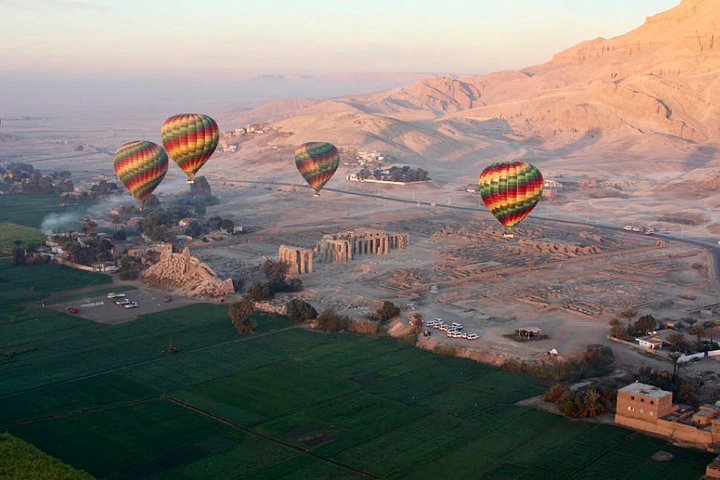
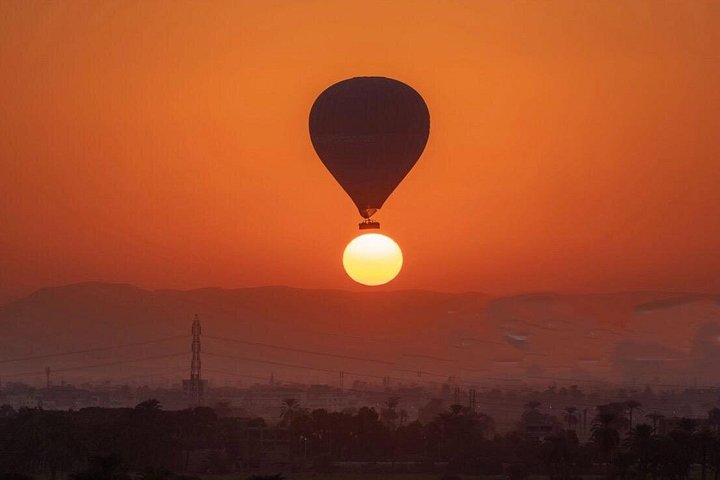
What's more beautiful than experiencing a rare trip like a hot air balloon? It's so exciting when you fly above the sky, especially if it's Luxor's sky, because you'll see the archaeological and historical landmarks from above, as well as the agricultural lands and the Nile River. Then you'll visit the ancient temples up close and touch the ancient stones from hundreds of centuries ago. What a truly unique experience, The experienced tour guide will also explain everything you will see.
含まれるもの
料金に含まれるもの
- Private transportation
- Balloon flight certificate
- Luxor Temple
- Temple Of Hatshepsut
- Snacks
- Valley Of The Kings
- Air-conditioned vehicle
- Colossi of Memnon
- Pick Up And Back To The Hotel
- Hot Air Balloon Ride
- Tour Guide
- Karnak Temple
- Private Guide
含まれないもの
- Entrance Fees
- Tipping ( Optional )
行程
Enjoy a Hot Air Balloon flight over the magical sky of Luxor, where the stunning and historical views, the wonderful Nile River, and the agricultural areas are an unforgettable experience. ( The flight in the air is about 45 minutes )
The Colossi of Memnon (Arabic: el-Colossat or es-Salamat) are two massive stone statues of the Pharaoh Amenhotep III, which stand at the front of the ruined Mortuary Temple of Amenhotep III, the largest temple in the Theban Necropolis. They have stood since 1350 BC, and were well known to ancient Greeks and Romans, as well as early modern travelers and Egyptologists. The statues contain 107 Roman-era inscriptions in Greek and Latin, dated to between AD 20 and 250; many of these inscriptions on the northernmost statue make reference to the Greek mythological king Memnon, whom the statue was then – erroneously – thought to represent. Scholars have debated how the identification of the northern colossus as "Memnon" is connected to the Greek name for the entire Theban Necropolis as the Memnonium.
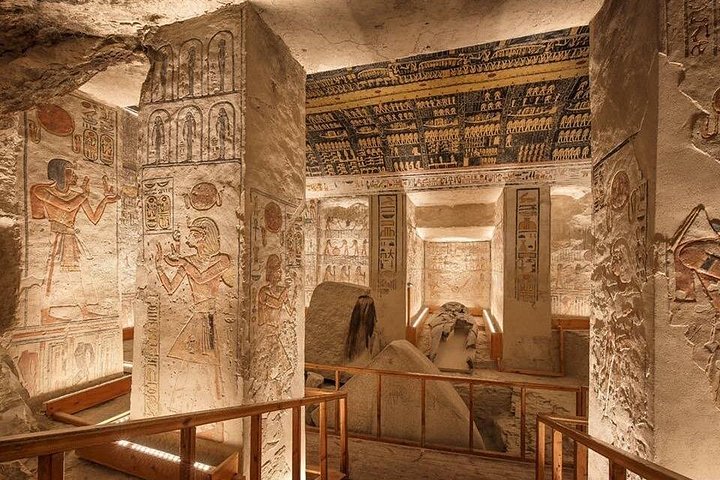
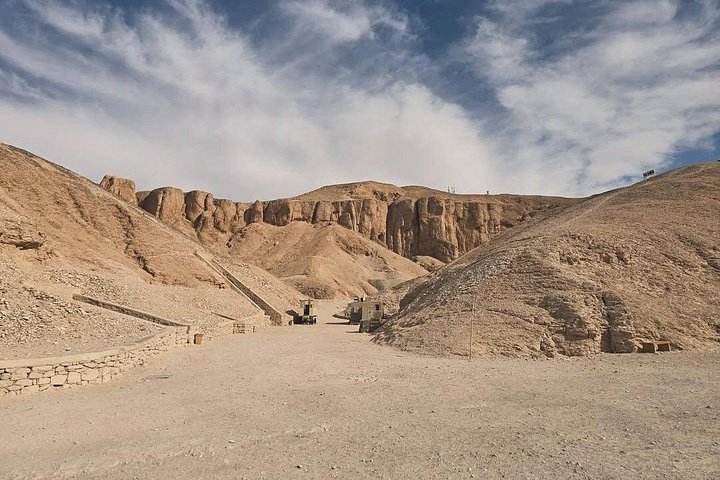
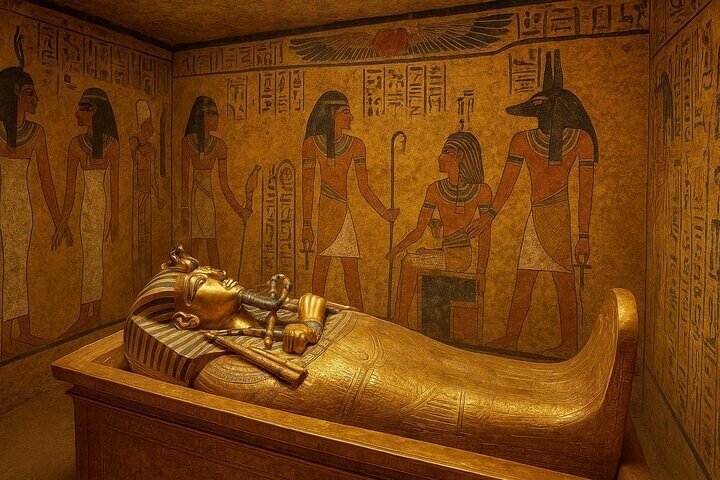
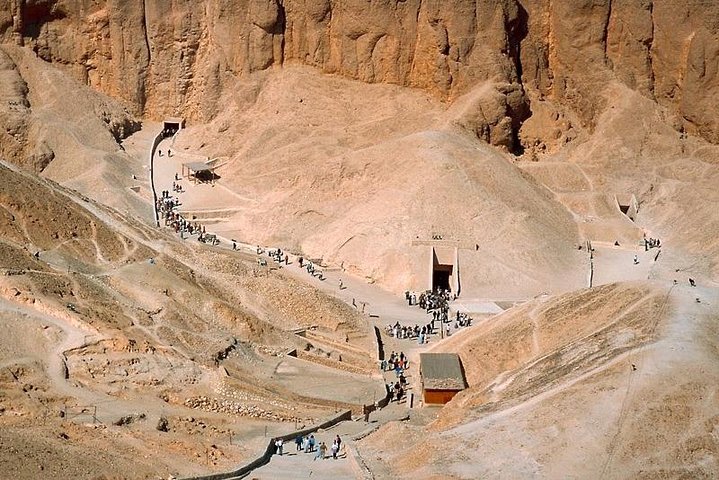
The rulers of the Eighteenth, Nineteenth, and Twentieth Dynasties of Egypt’s prosperous New Kingdom (c.1550–1069 BC) were buried in a desolate dry river valley across the river from the ancient city of Thebes (modern Luxor), hence its modern name of the Valley of the Kings. This moniker is not entirely accurate, however, since some members of the royal family aside from the king were buried here as well, as were a few non-royal, albeit very high-ranking, individuals. The Valley of the Kings is divided into the East and West Valleys. The eastern is by far the more iconic of the two, as the western valley contains only a handful of tombs. In all, the Valley of the Kings includes over sixty tombs and an additional twenty unfinished ones that are little more than pits
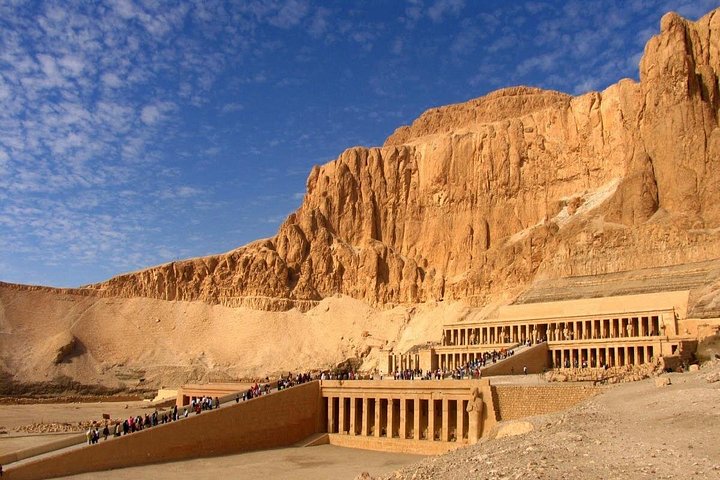
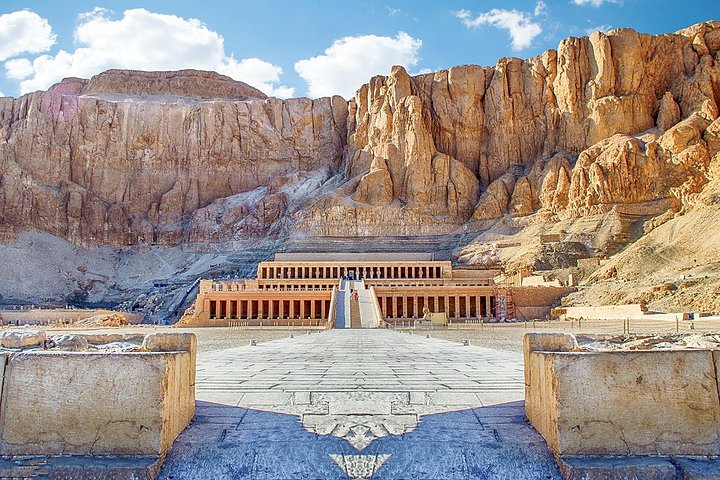
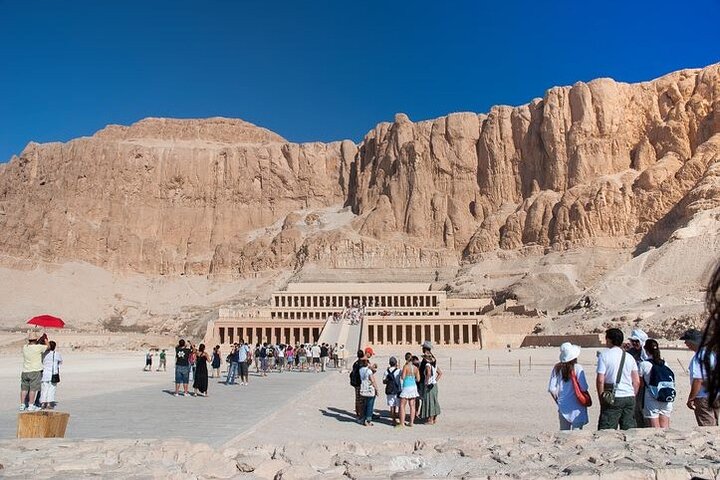
Hatshepsut (c.1473–1458 BC), the queen who became pharaoh, built a magnificent temple at Deir al-Bahari, on the west back of Luxor. It lies directly across the Nile from Karnak Temple, the main sanctuary of the god Amun. Hatshepsut’s temple, Djeser-djeseru “the Holy of Holies” was designed by the chief steward of Amun, Senenmut. The temple consists of three levels each of which has a colonnade at its far end. On the uppermost level, an open courtyard lies just beyond the portico. Mummiform statues of Hatshepsut as Osiris, the god of the dead, lean against its pillars. This is because Djeser-djeseru is Hatshepsut’s mortuary temple, where her cult was practiced after her death, when she attained the blessed state of Osiris. Far from being devoted solely to her, the temple also includes sections for the cults of her revered father Thutmose I, the goddess Hathor, and the funerary god Anubis. An altar, open to the sky and the sun, was dedicated to the cult of the solar Ra-Horakhty.
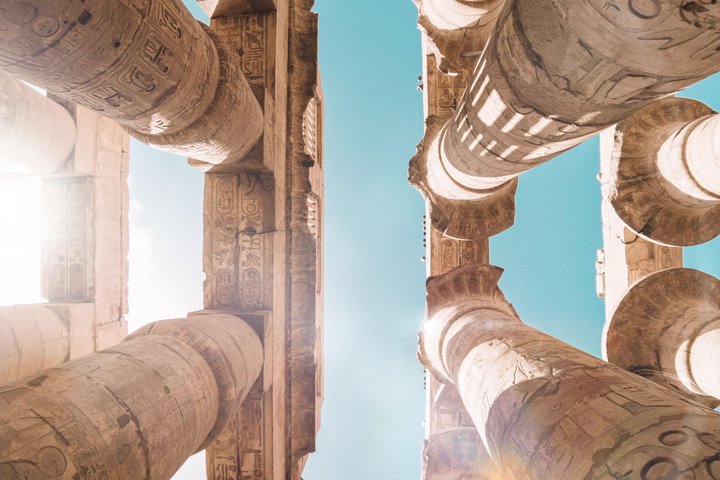
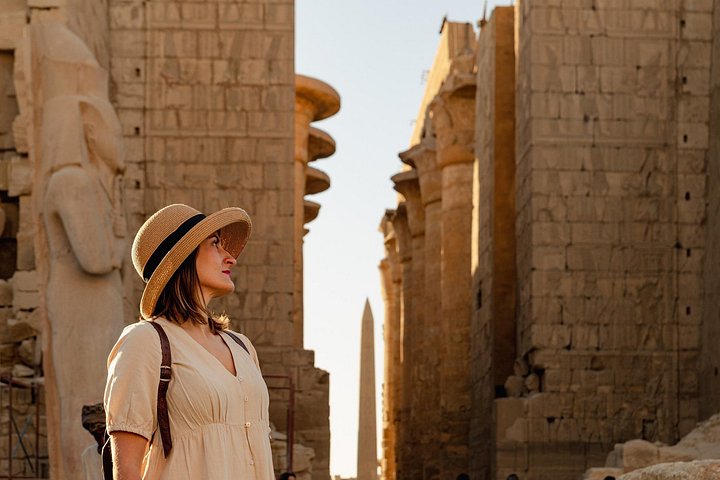
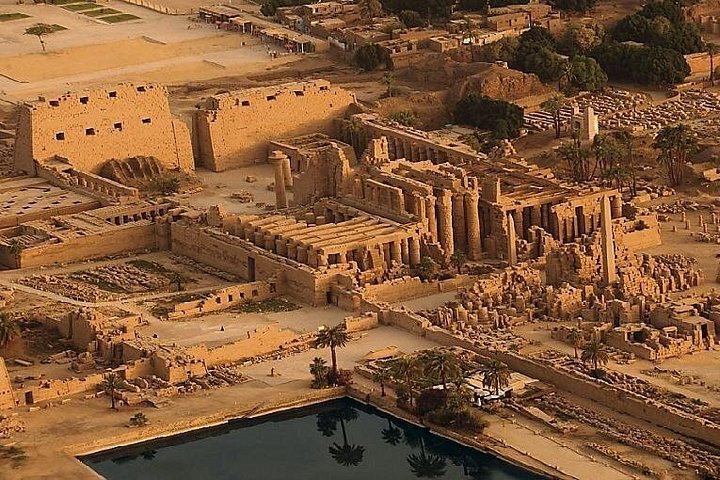
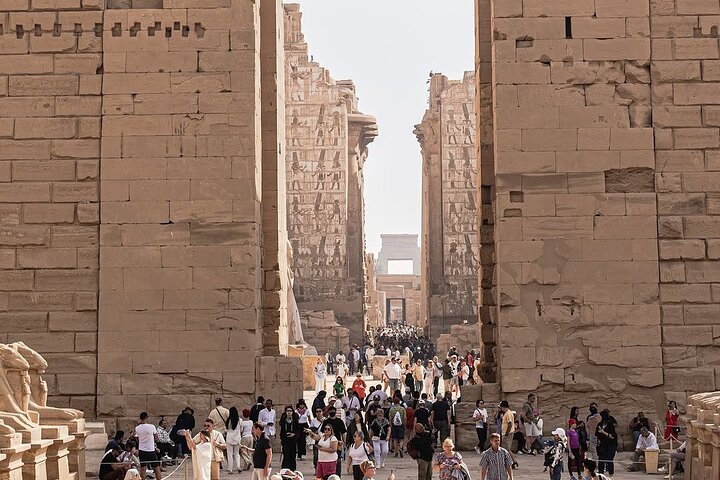
The Karnak Temple Complex, commonly known as Karnak comprises a vast mix of temples, pylons, chapels, and other buildings near Luxor, Egypt. Construction at the complex began during the reign of Senusret I (reigned 1971–1926 BCE) in the Middle Kingdom (c. 2000–1700 BCE) and continued into the Ptolemaic Kingdom (305–30 BCE), although most of the extant buildings date from the New Kingdom. The area around Karnak was the ancient Egyptian Ipet-isut ("The Most Selected of Places") and the main place of worship of the 18th Dynastic Theban Triad, with the god Amun as its head. It is part of the monumental city of Thebes, and in 1979 it was added to the UNESCO World Heritage List along with the rest of the city. Karnak gets its name from the nearby, and partly surrounded, modern village of El-Karnak, 2.5 kilometres (1.6 miles) north of Luxor
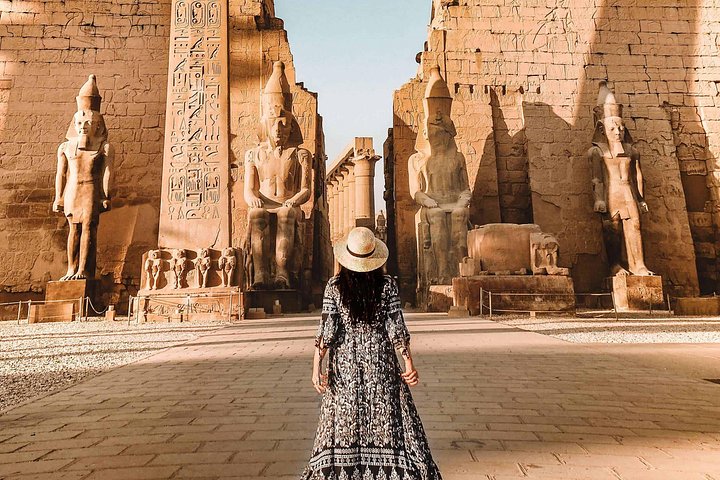
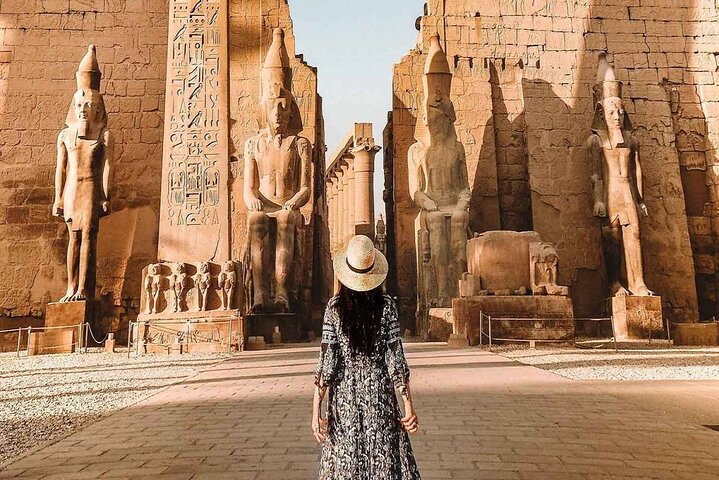
Luxor Temple, Ipet-resyt “Southern Sanctuary” to the ancient Egyptians, was so called because of its location within ancient Thebes (modern Luxor). It is located around three kilometers to the south of Karnak Temple, to which it was once linked with a processional way bordered with sphinxes. The oldest evidence for this temple dates to the Eighteenth Dynasty (c.1550–1295 BC). Ipet-resyt, unlike most other ancient Egyptian temples, is not laid out on an east-west axis, but is oriented towards Karnak. This is because Luxor Temple was the main venue for one the most important of ancient Egyptian religious celebrations, when the cult images of Amun, his wife Mut, and their son, the lunar god Khonsu, were taken from their temples in Karnak, and transported in a grand procession to Luxor Temple so they could visit the god that resides there, Amenemopet. This was the Opet Festival
キャンセル
開始24時間前まで無料でキャンセルでき、全額返金されます。
参加前に知っておくこと
- 送迎
- 送迎は全員に含まれます。
- チケットの種類
- Mobile or paper ticket accepted
- 催行会社
- Top Tours In Egypt
- Infants and small children can ride in a pram or stroller
- Public transportation options are available nearby
- Infants are required to sit on an adult’s lap
- Suitable for all physical fitness levels
How it compares in ルクソール
- Its from-price is 122% above the median of the 4411 experiences we list in ルクソール.
- Its length is typical for the group.
- The operator lists free cancellation on it.
About ルクソール
ルクソールは古代テーベの跡地に広がり、ナイル川東岸には巨大な神殿、川の対岸には王家の谷の墓があります。
東岸では、カルナック神殿が何ヘクタールにもわたってパイロン、オベリスク、大列柱室の円柱の森を広げています。スフィンクスの参道が、市街中心のルクソール神殿とそれをつなぎ、夕方にライトアップされるととりわけ幻想的です。ルクソール博物館とミイラ博物館は、川沿いのコルニーシュに面しています。
Top-ranked sights in ルクソール: Valley of the Kings, Temple of Hatshepsut (at Deir el-Bahari), Colossi of Memnon.
ルクソールの特別価格
割引前と割引後の価格は事業者が示すもので、当サイトが付けたものではありません。