Gothic Quarter Insights & Tapas Experience
説明は英語で表示されます。
- 2時間30分
- 24時間前まで無料キャンセル
- 4言語
- 即時確定
見どころ
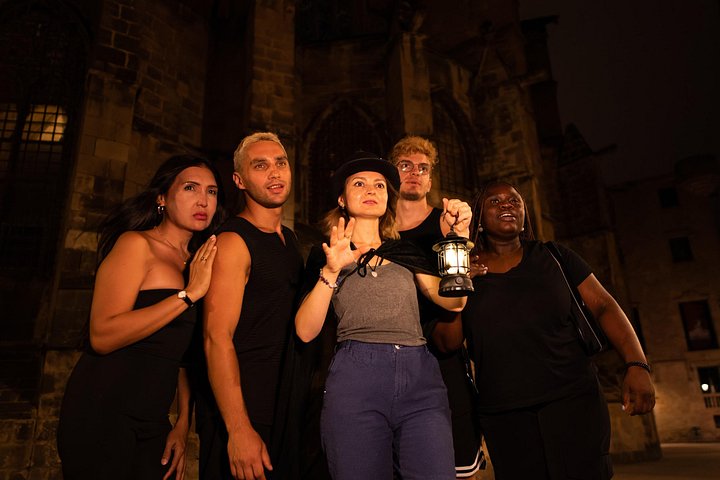
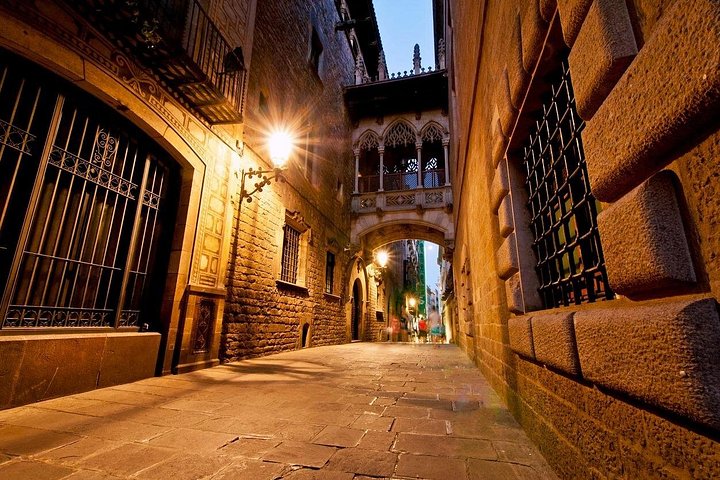
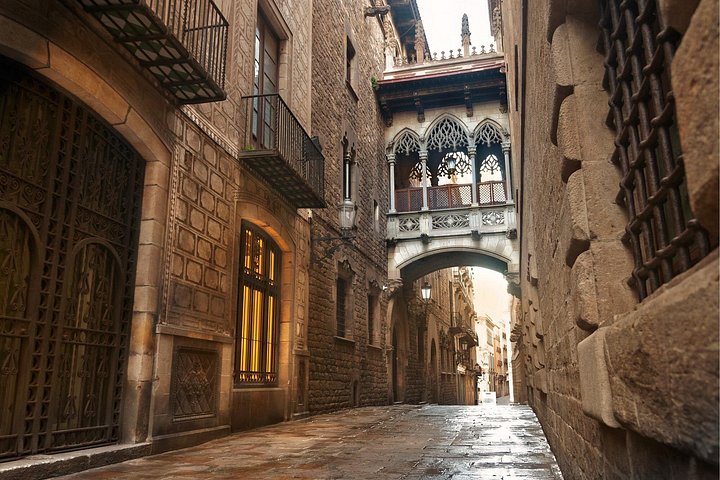
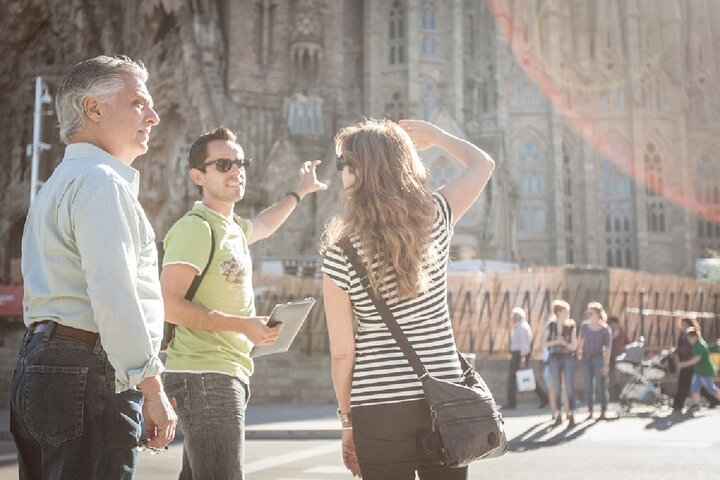
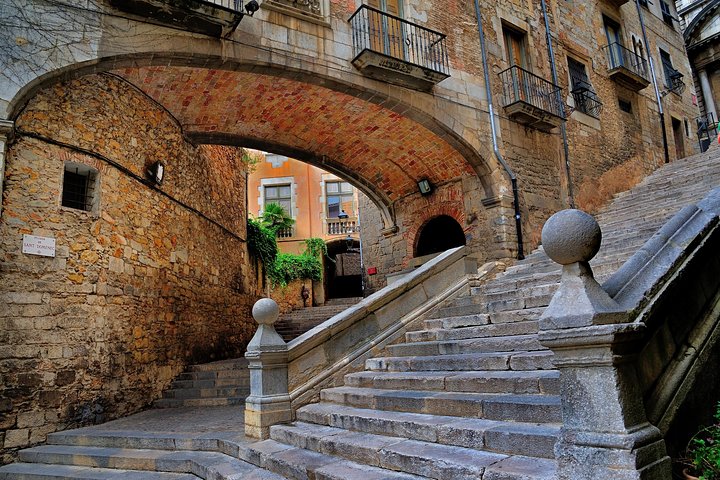
Step back in time and uncover the secrets of ancient Barcino, the medieval heart of Barcelona. The Gothic Quarter is a maze of narrow, winding alleyways, charming squares, and hidden parks, where centuries-old buildings stand side by side with modern architecture. It’s captivating, mysterious, and easy to get lost in. But on this 2.5-hour guided walking tour, even the most directionally challenged traveler will navigate the neighborhood with ease. Discover the rich history of the area, visit key landmarks, and end your journey with delicious traditional pintxos—small, flavorful snacks—at a trendy local restaurant.
含まれるもの
料金に含まれるもの
- Professional guide (English/Spanish and French)
- One pintxo
- One drink
含まれないもの
- Hotel pickup and drop-off
- Food and drinks, unless specified
- Gratuities
行程
In the Plaça Nova, in Barcelona's Gothic Quarter, almost touching the wall of the former Roman city, seven giant letters contrast with their historic backdrop. They are part of the alphabet created by Joan Brossa to spell out the word Barcino, the principal name of the Colonia Iulia Augusta Faventia Paterna Barcino, which was the origin of present-day Barcelona. The letters, six of them made of bronze and one of aluminium, are bolted to the ground and make up a fun and original display, very much in keeping with this Barcelona-born artist's visual poems
The building now known as the Palace of the Bishop is the first building of the new episcopal Barcelona that rises walled city of Barcelona, using the utensils inside the Roman walls. The New Square, opened in front of the Porta Praetoria of Roman wall, known as the Portal del Bisbe. It was created in 1355 when the water was channeled to Collserola Sant Jaume Square demolishing buildings facing the Portal del Bisbe, then we gave the name of New Square.
The Casa de l'Ardiaca, the residence of the ecclesiastical hierarchy from the 12th century onwards, has undergone many alterations over the years, such as the ones carried out in the early 16th century which connected the building with the dean's residence. This was also the period when the porticoed central courtyard was built and the Renaissance-style decorations, which tie in with the flamboyant Gothic style of the original building, completed. A staircase leads to the upper terrace, a balcony in the purest Romeo and Juliet style.
The narrow, labyrinthine streets of the Gothic Quarter come out into this unexpected spot. A tiny square with a charming little fountain in the middle and overlooked by the baroque church of Sant Felip Neri. On one side, you can see the buildings that once housed the city's shoemakers' and coppersmiths' guilds, which moved here from their premises on Carrer de la Bòria and Carrer de la Corribia, respectively.
A Gothic basilica and the two picturesque squares that surround it form one of the most enchanting corners of the Gothic Quarter. The old cemeteries that surrounded the 14th-century church are now small squares where painters and artisans exhibit their works.
The Conjunt Monumental de la Plaça del Rei in Barcelona is, arguably, the Gothic architectural ensemble which best exemplifies the city's medieval past. The royal palace, the Palau Reial Major, and its surrounding buildings, enclose a harmonious and peaceful square which is still imbued with Barcelona's splendour during the Middle Ages.
As you explore Barcelona's Gothic Quarter you'll come across one of the city's best-kept secrets in a building on Carrer Paradís. Inside a small medieval courtyard, the four columns from the Temple of Augustus have survived despite the passing of the centuries. They are more than 2,000 years old, like Barcelona itself.
Basilica de Santa Maria del Mar The Basilica Santa Maria del Mar is considered the real cathedral of the Old Town since it has been founded and constructed in Medieval times by the people of the neighborhood themselves. It is an emblem of Catalan Gothic art and a must-to-see spot of the Gothic Quarter.
The street called Carrer de Montcada is today the most important area of medieval civic architecture in the city. It starts with the Romanesque Marcus chapel (12th century) and finishes at Plaça del Born. It used to be all one single street until the 19th century when it was divided into two by the opening of Carrer Princesa in 1853. Its name derives from the important Montcada family from Barcelona who, it appears, received the land in the 12th century for the support lent to King Ramon Berenguer IV by Guillem Ramon de Montcada during the conquest of Majorca.
キャンセル
開始24時間前まで無料でキャンセルでき、全額返金されます。
口コミ
4.4
- 524
- 45
- 33
- 21
- 12
評価は予約パートナーが集めた35件の口コミによるものです。旅行者自身の言葉を書かれた順に掲載しており、体験をよく見せるために並べ替えることはありません。
参加前に知っておくこと
- 集合場所
- At the entrance of the Hotel Colón, outside. Please do not enter the hotel lobby.
- 送迎
- 全員が出発場所で合流します。送迎はありません。
- チケットの種類
- Mobile or paper ticket accepted
- グループの人数
- 最大20名
- 催行会社
- Icono Spain Tours
- Wheelchair accessible
- Infants and small children can ride in a pram or stroller
- Service animals allowed
- Public transportation options are available nearby
- Specialized infant seats are available
- Transportation options are wheelchair accessible
- All areas and surfaces are wheelchair accessible
- Suitable for all physical fitness levels
How it compares in バルセロナ
- Its from-price is 53% below the median of the 3008 experiences we list in バルセロナ.
- Its length is typical for the group.
- By number of reviews it ranks 624 of 3008.
- The operator lists free cancellation on it.
About バルセロナ
バルセロナは、ガウディの幻想的な建築と中世のゴシック地区が、地中海のビーチと緑の丘の間に並び、食とナイトライフも充実した街です。
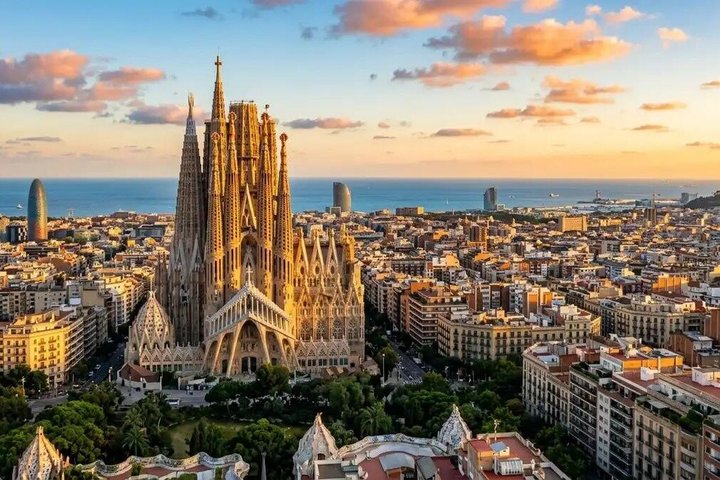
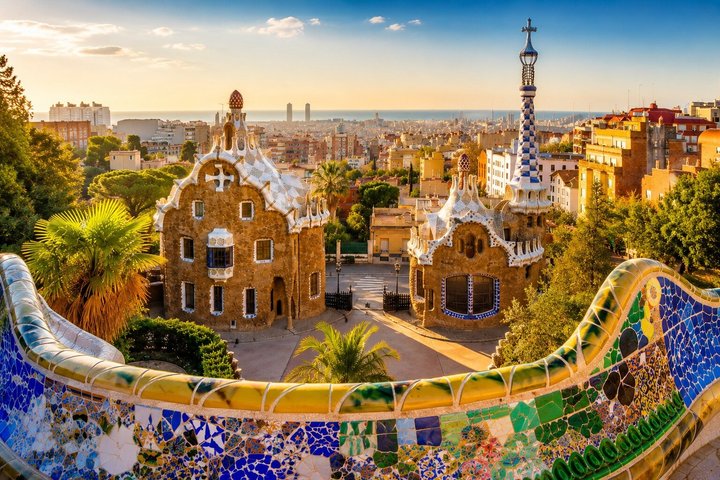
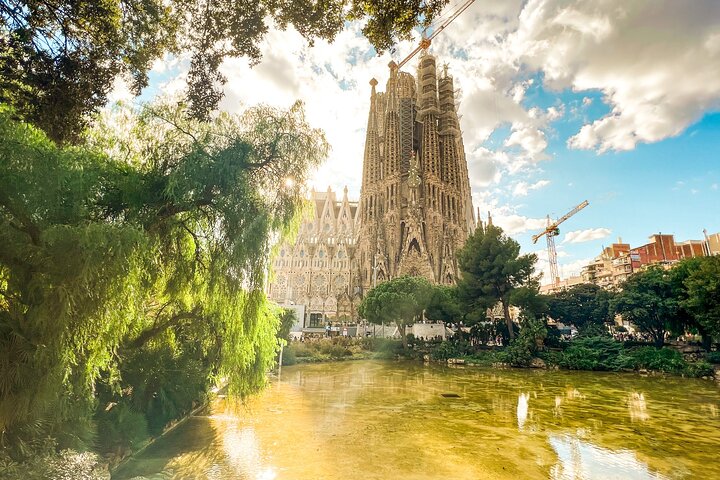
アントニ・ガウディの作品が街のイメージを決めています。サグラダ・ファミリアはエシャンプラ地区にそびえ、カサ・バトリョとカサ・ミラは優雅なグラシア通り沿いに並び、グエル公園のモザイクのテラスは屋根の海を見渡します。ゴシック地区には大聖堂と細い路地、隠れた広場が残り、エル・ボルンにはピカソ美術館と高くそびえるサンタ・マリア・デル・マル教会があります。
Top-ranked sights in バルセロナ: Sagrada Família, Montserrat Mountain, Gothic Quarter (Barri Gòtic).
バルセロナの特別価格
割引前と割引後の価格は事業者が示すもので、当サイトが付けたものではありません。