Full Day Shared Safari at Yala National Park by La Safari Inn Tours
説明は英語で表示されます。
- 10〜12時間
- 24時間前まで無料キャンセル
- 英語のガイド付き
- 即時確定
見どころ
Not only do you have the best chance of seeing a Sri Lankan leopard, but you also have a very high chance of seeing elephants. We went during a period of time that Yala national park was experiencing a mini-drought. This meant that the elephants were further inside the park around the permanent lakes and not need the main roads. Even then, we still managed to spot a lone male grazing in amongst the trees. If you go to Yala when there are not experiencing a drought then you will certainly see herds of elephants roaming around the park in plain sight.
含まれるもの
料金に含まれるもの
- Bottled water
- Snacks
- Lunch
- All Fees and Taxes
- Breakfast
行程
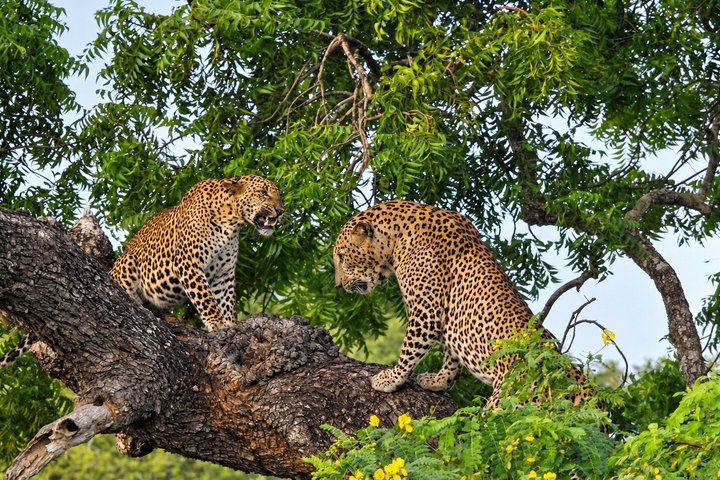
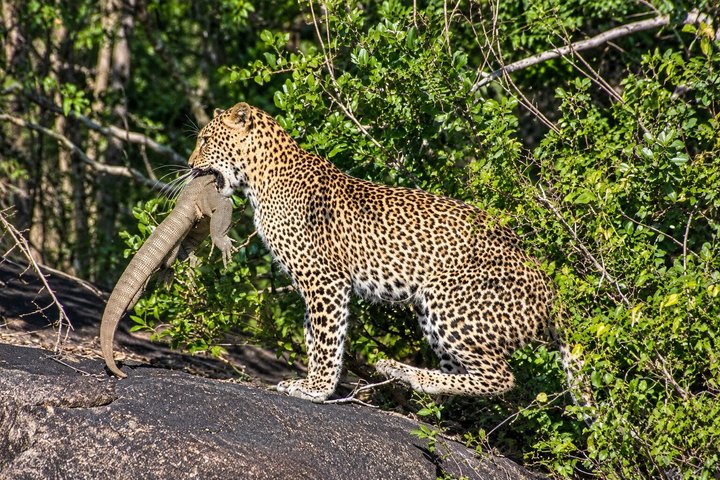
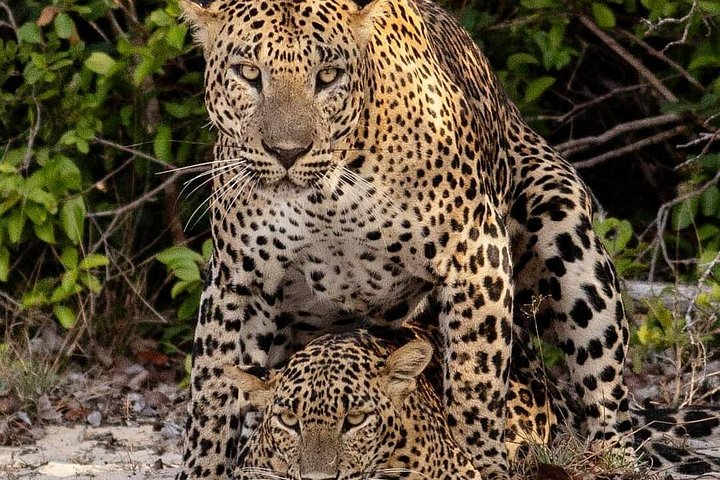
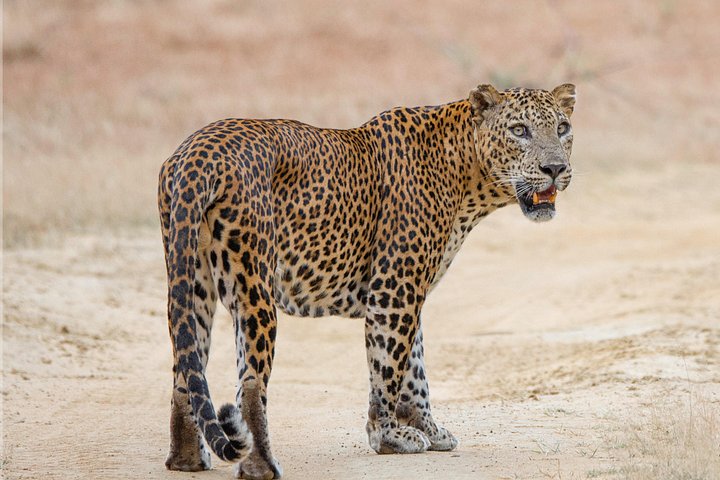
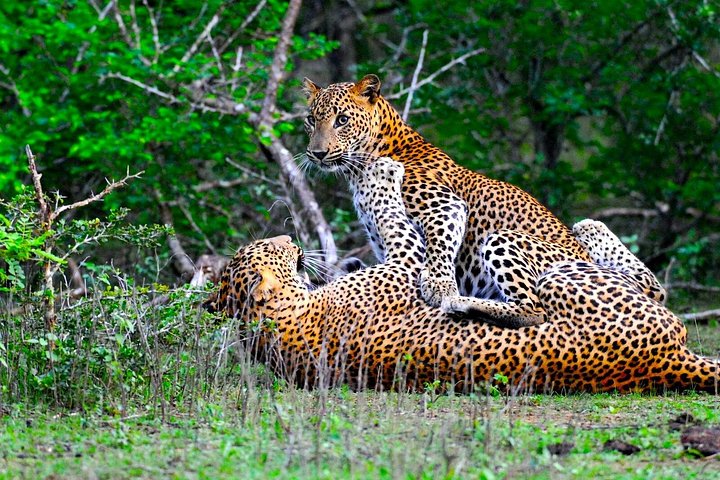
Yala National Park is by far the most visited and most famous safari park in Sri Lanka, this has to be because it has the highest density of the coveted Sri Lankan leopard anywhere in Sri Lanka. If you want the best possible chance of seeing the Sri Lankan leopard then Yala national park is the best place for you.
キャンセル
開始24時間前まで無料でキャンセルでき、全額返金されます。
参加前に知っておくこと
- 送迎
- 送迎は全員に含まれます。
- チケットの種類
- Mobile or paper ticket accepted
- グループの人数
- 最大6名
- 催行会社
- La Safari Inn
- Infants are required to sit on an adult’s lap
- Not recommended for travelers with poor cardiovascular health
- Not recommended for pregnant travelers
- Public transportation options are available nearby
- Suitable for all physical fitness levels
How it compares in Yala National Park
- Its from-price is 47% above the median of the 236 experiences we list in Yala National Park.
- It is longer than most of them.
- The operator lists free cancellation on it.
About Yala National Park
Yala is Sri Lanka's most visited wildlife park, a dry-zone reserve of scrub, lagoons and rock on the south-east coast, famous for leopards and elephants.
Yala National Park covers a large area of the south-east coast of Sri Lanka, a mix of dry scrub forest, grassland, lagoons, rocky outcrops and sand dunes beside the Indian Ocean. It was set aside as a wildlife sanctuary in 1900 and became a national park in 1938, and it is divided into blocks, of which Block 1 is the most visited. Tissamaharama, a town on a large lake, is the usual base.