Batu Caves Temple Tour
説明は英語で表示されます。
- 1時間30分
- 24時間前まで無料キャンセル
- 英語のガイド付き
- 即時確定
見どころ
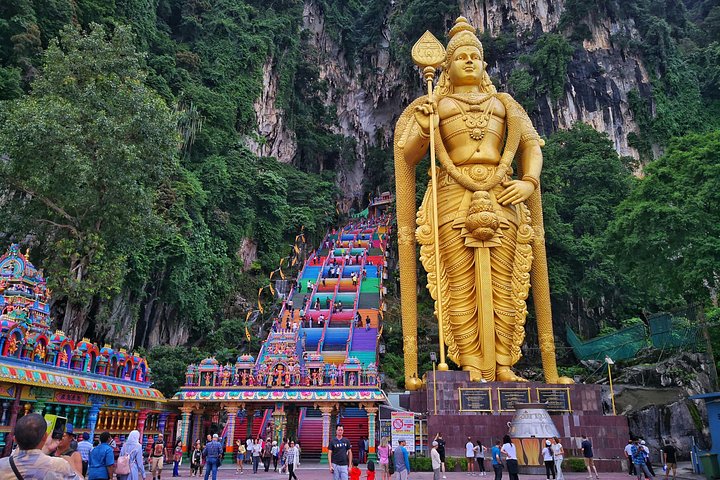
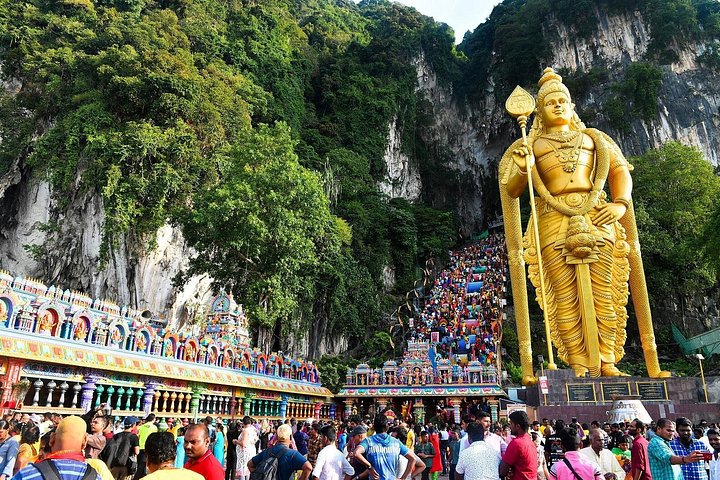
Batu Caves is an iconic and popular tourist attraction in Selangor. Site of a Hindu temple and shrine, Batu Caves attracts thousands of worshippers and tourists, especially during the annual Hindu festival, Thaipusam. A limestone outcrop located just north of Kuala Lumpur, Batu Caves has three main caves featuring temples and Hindu shrines. Its main attraction is the large statue of the Hindu God at the entrance, besides a steep 272 climb up its steps to finally view the stunning skyline of the city centre. Monkeys frolic around the caves, and it is a popular spot for rock climbing enthusiasts. Paintings and scenes of Hindu Gods can also be seen in the Ramayana Cave. Batu Caves is a place where you should not miss on your visit.
含まれるもの
料金に含まれるもの
- Air-conditioned vehicle with English-Speaking Driver
- Hotel Pick-up & Drop-off
含まれないもの
- Food and drinks, unless specified
行程
Batu Caves is a limestone hill, which has a series of caves and cave temples, located in Gombak district, 13 kilometres (8 miles) north of Kuala Lumpur, Malaysia. It takes its name from the Sungai Batu or Batu River, which flows past the hill. Batu Caves is also the name of the nearby village. Batu Caves is one of the most popular Hindu shrines outside India, dedicated to Lord Murugan. It is the focal point of Hindu festival of Thaipusam in Malaysia. It is also known as the 10th Caves or Hill for Lord Muruga as it is one of the ten most important shrines in India and Malaysia. The Lord Murugan statue at the foot of Batu Caves is the second tallest Hindu deity statue in the world with a heroic height of 42.7 metres (140 ft.). The limestone forming Batu Caves is said to be around 400 million years old. Some of the cave entrances were used as shelters by the aboriginal Temuan / Besisi people (a tribe of Orang Asli). As early as 1860, Chinese settlers began excavating guano for fertilising their vegetable patches. However, they became famous only after the limestone hills were recorded by colonial authorities including Daly and Syers as well as American Naturalist, William Hornaday in 1878. Batu Caves was promoted as a place of worship by K. Thamboosamy Pillai, an Indian trader. He was inspired by the ‘vel’-shaped entrance of the main cave and was inspired to dedicate a temple to Lord Muruga within the caves. In temples dedicated to Lord Murugan, Vel, a divine javelin (spear), is an object of worship. The history of Batu Caves started in 1891 when Mr. K. Thamboosamy Pillai, who also founded the Sri Maha Mariamman Temple Dhevasthanam, Kuala Lumpur, sent his very close associates, Sri Thiruvengadam Pillai and Sri Kanthapa Thevar to survey for an ideal and suitable place of worship for Lord Sri Murugan. It was in that year, that the influential descendant of Indian immigrants from Tamil Nadu, India, Mr. K. Thamboosamy Pillai installed the ‘murti’ or consecrated idol of Sri Subramaniar Swamy (Lord Murugan) in the 400-ft. high Temple Cave. From 1892 onwards, the Thaipusam festival in the Tamil month of Thai (which falls in late January/early February) has been celebrated there as the annual festival of Batu Caves. Wooden steps up to the Temple Cave were built in 1920 and have since been replaced by 272 concrete steps. Rising almost 100 m above the ground, the Batu Caves temple complex consists of three main caves and a few smaller ones. The biggest, referred to as Cathedral Cave or Temple Cave, has a 100 m-high ceiling and features ornate Hindu shrines. To reach it, visitors must climb a precipitous flight of 272 steps. At the base of the hill are two more cave temples, Art Gallery Cave and Museum Cave, both of which are full of Hindu statues and paintings. This complex was renovated and established as the Cave Villa in 2008. The story of Lord Murugan’s victory over the demon Soorapadam is narrated by many of the shrines. An audio tour is available to visitors. To the utmost left, as one faces the steep wall of the hill, stands the Ramayana Cave. The Ramayana Cave depicts the story of Rama in a chronicle manner along the irregular walls of the cave. On the way to the Ramayana Cave, there is a 50-foot (15 m) tall statue of Hanuman and a temple dedicated to Hanuman, the noble monkey devotee and aide of Lord Rama. The declaration ceremony of the temple was held in November 2001.
キャンセル
開始24時間前まで無料でキャンセルでき、全額返金されます。
口コミ
3.3
- 510
- 42
- 33
- 22
- 16
評価は予約パートナーが集めた23件の口コミによるものです。旅行者自身の言葉を書かれた順に掲載しており、体験をよく見せるために並べ替えることはありません。
参加前に知っておくこと
- 送迎
- 送迎は全員に含まれます。
- チケットの種類
- Mobile or paper ticket accepted
- 催行会社
- MALAYSIAN TOURS RIYAS
- Infants and small children can ride in a pram or stroller
- Infants are required to sit on an adult’s lap
- Suitable for all physical fitness levels
How it compares in クアラルンプール
- Its from-price is 77% below the median of the 2009 experiences we list in クアラルンプール.
- It is shorter than most of them.
- By number of reviews it ranks 153 of 2009.
- The operator lists free cancellation on it.
About クアラルンプール
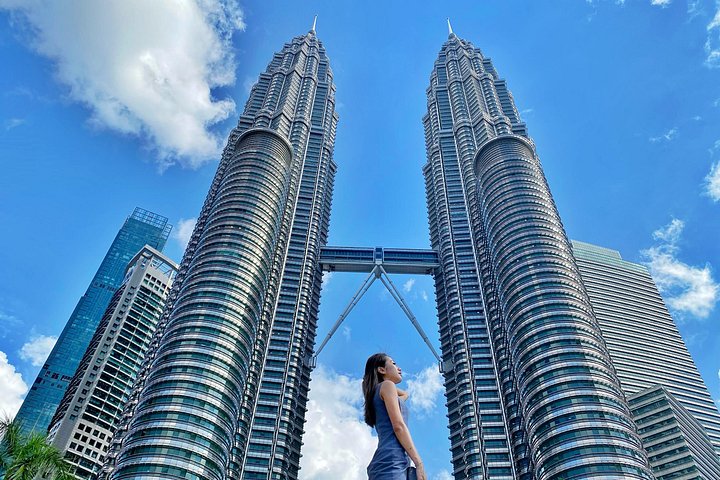
クアラルンプールはマレーシアの活気ある首都で、ペトロナス・ツインタワーが、マレー、中国、インドの街区と名高い屋台料理の上にそびえます。
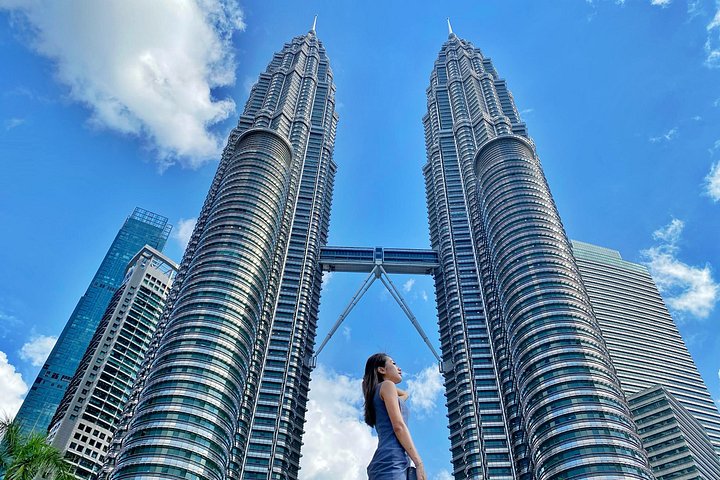
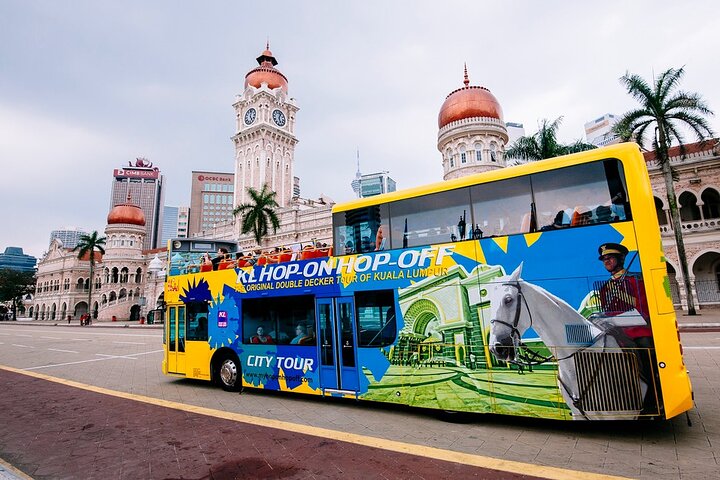
スカイブリッジでつながれたペトロナス・ツインタワーがスカイラインを決定づけ、足元には造園された公園と噴水があります。KLタワーは森に覆われた丘の上から別の眺めを提供し、独立時に国旗が掲げられたムルデカ広場は、ムーア様式のスルタン・アブドゥル・サマド・ビルに囲まれています。
Top-ranked sights in クアラルンプール: National Mosque of Malaysia (Masjid Negara), Thean Hou Temple, Kuala Lumpur Chinatown.
クアラルンプールの特別価格
割引前と割引後の価格は事業者が示すもので、当サイトが付けたものではありません。